History
Coiba's history brings together isolation, territorial control, and conservation. For much of the twentieth century, Isla Coiba held a penal colony that left a deep mark on Panama's national memory and shaped how the island was used. The prison restricted regular access and reduced some of the intensive transformation experienced in other coastal areas, while leaving a complex human legacy that should remain part of the park's story.
Formal protection began before the park received its current legal framework. An initial protected status was established in 1991, and Law 44 of 2004 formally created Coiba National Park and defined its management structure. In 2005, Coiba National Park and its Special Zone of Marine Protection were inscribed by UNESCO as a natural World Heritage property, recognizing their ecological importance within the Eastern Tropical Pacific.
Today, the former image of a restricted island has given way to a new stage centered on research, ecosystem protection, and regulated visitation. The former penal settlement remains a historical reference, but Coiba's present meaning is better understood through the effort to build a different relationship with the territory through conservation, science, and responsible tourism.
Culture
Tourism in Coiba is connected to coastal communities and service providers in Veraguas who organize marine transportation, guiding, and visitor logistics. Trips commonly begin in seaside settlements where navigation, fishing, and practical knowledge of the ocean are part of everyday life. This relationship with the sea adds a human dimension to the journey and shows that the park is not separate from the communities that serve as its gateways.
Inside the park, the most visible cultural element is the memory of the former penal settlement. Its interpretation requires respect for the people connected to that period and should not reduce human suffering to a tourist curiosity. The visit becomes more meaningful when that history is understood alongside the area's transition toward conservation, science, and regulated public use.
Choosing responsible operators, following ranger instructions, and respecting local knowledge helps tourism support a more careful relationship between coastal communities, visitors, and Coiba's natural heritage.
Climate
Coiba has a tropical maritime climate, with humidity, strong sun, rain, and shifting winds that can become noticeable quickly during boat travel. Showers, cloud cover, and changing sea conditions may occur even during periods with less rainfall. In wetter months, visibility, landings, and the duration of some excursions may be affected.
Sea conditions are among the most important factors when planning a visit. Swell, wind, and nearby storms can alter the route, restrict water activities, or lead to cancellation. Heat and sun exposure also increase during crossings and on open beaches, making sun protection and hydration essential.
The best time to visit depends more on the marine forecast and the planned activity than on any fixed promise of good weather. Check the forecast and expect the itinerary to change when necessary to protect visitors and the protected area.
Area and surroundings
The park extends across a broad island and marine landscape centered on Isla Coiba and a group of smaller islands. From the water, visitors encounter forested shorelines, beaches, coves, rocky sectors, and reef areas separated by channels and open ocean. No single route represents the entire destination: each visit combines different sectors according to authorization, weather, and the type of excursion.
Gambute contains part of the park's administrative and management infrastructure. Other well-known sectors include Jicarón, Jicarita, Ranchería or Coibita, Granito de Oro, the former penal settlement, and authorized trails on Isla Coiba. These are parts of the park and should not be confused with the destination as a whole.
Services are limited and unevenly distributed. Most logistics—including transportation, meals, equipment, and guide service—must be arranged before departure. Understanding this scale helps visitors experience Coiba as a network of islands and marine environments rather than as a single beach or landing point.
Nature
Coiba protects an uncommon continuity of island tropical forests, mangroves, beaches, rocky shores, reefs, and open ocean. Its separation from the mainland and the scale of the surrounding marine environment have supported ecological processes that make the park important for conservation and scientific research.
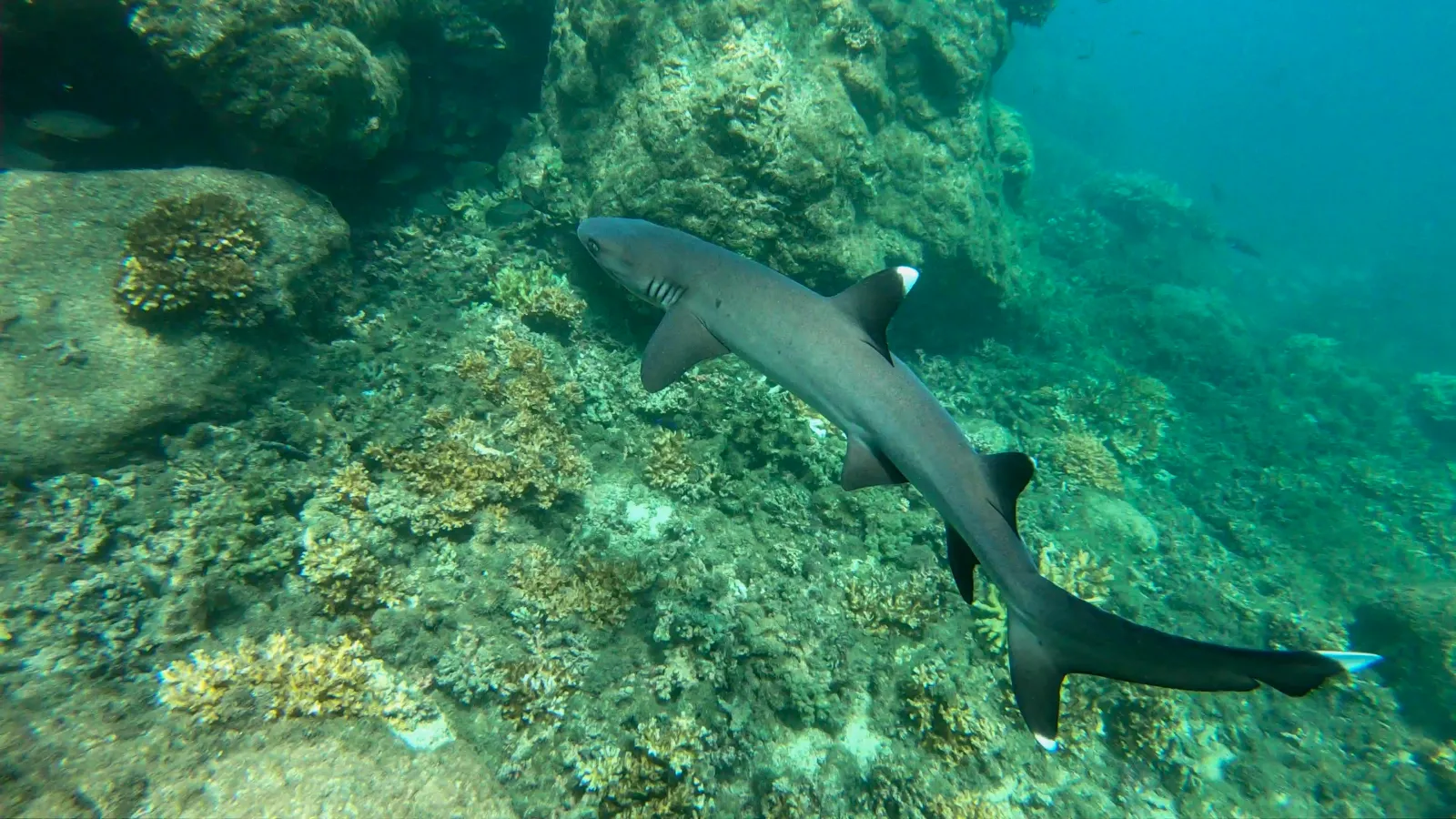
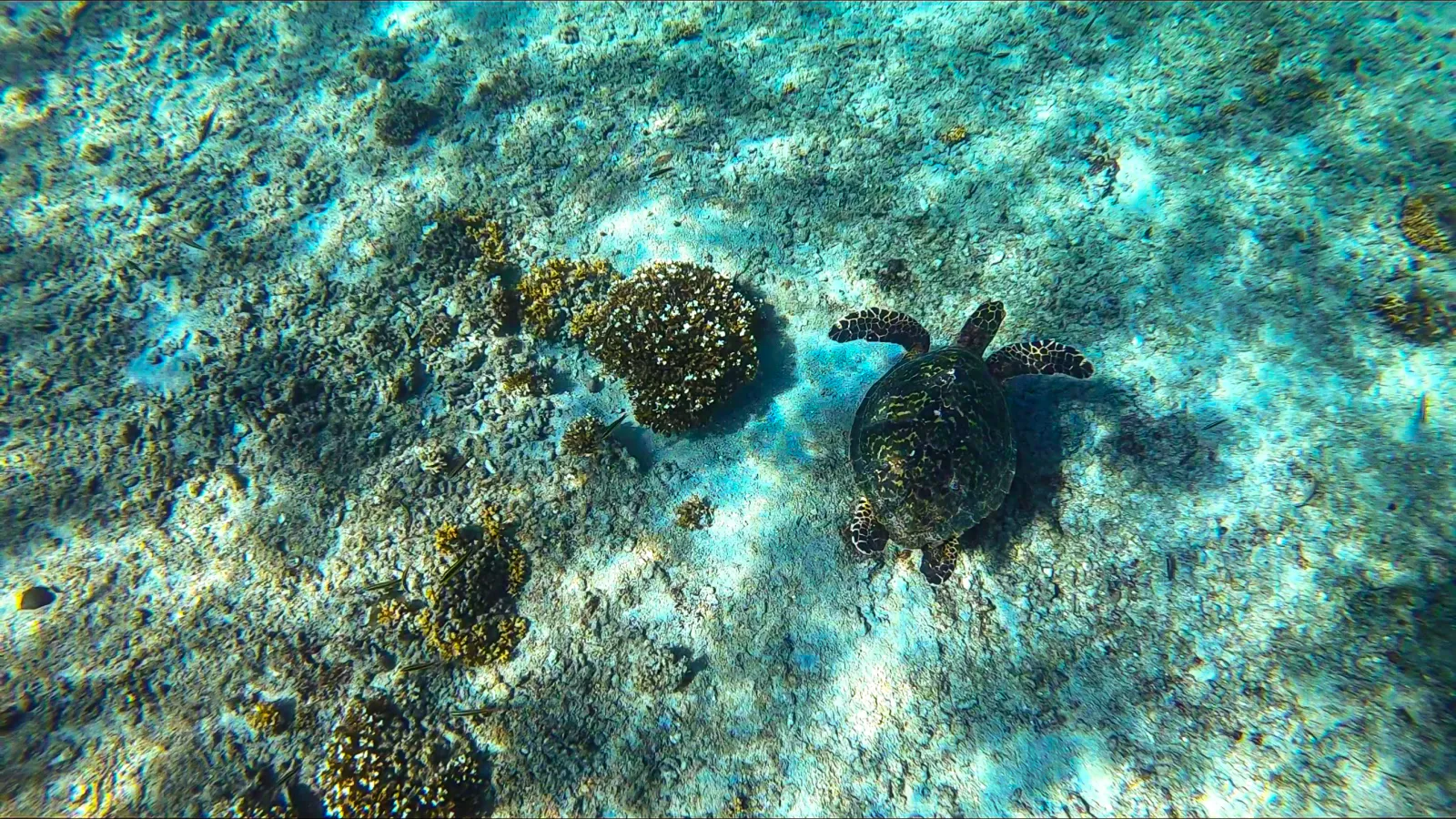
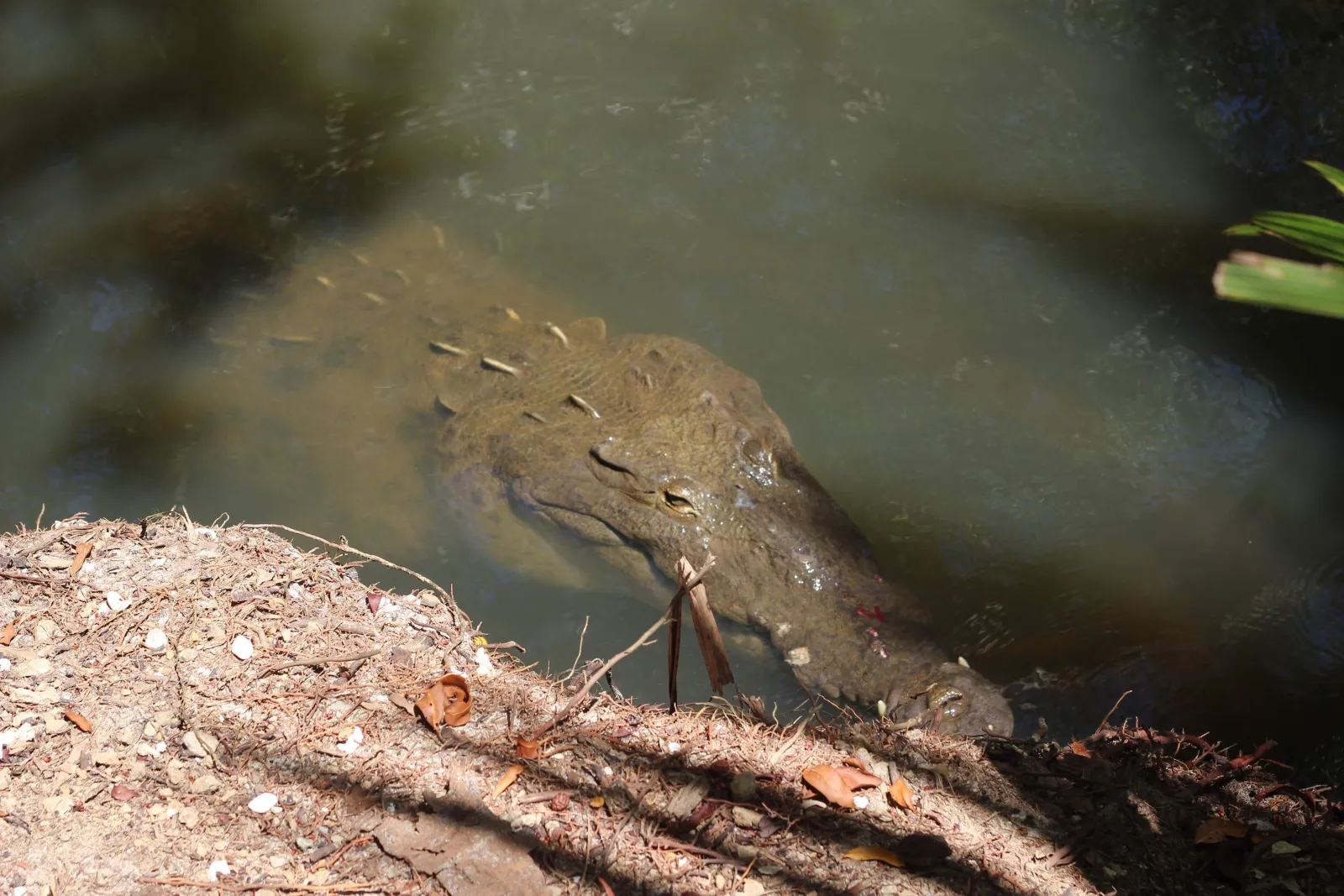
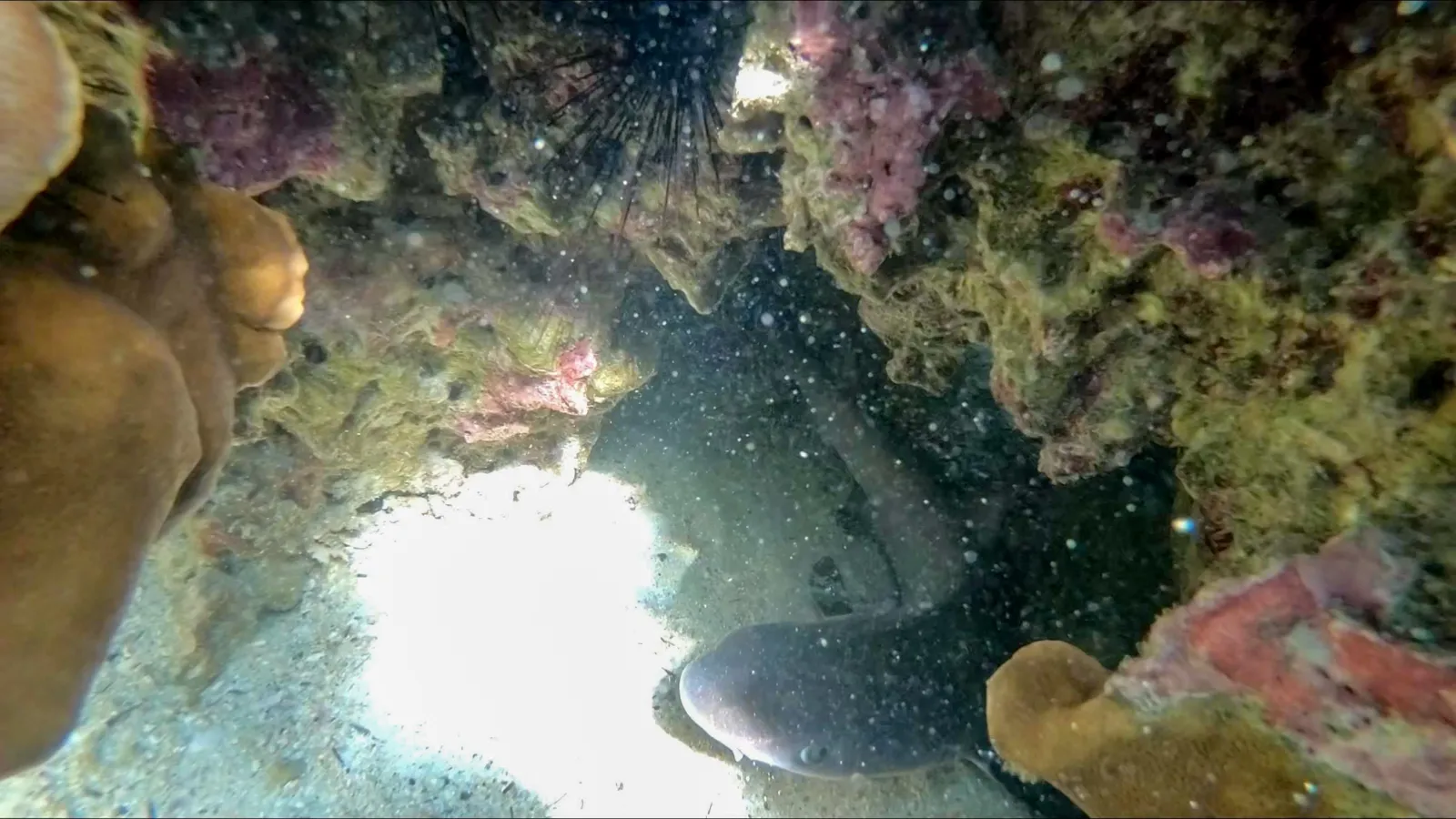
Below the surface, reefs and marine habitats provide shelter and feeding grounds for fish, sea turtles, sharks, rays, and many other species. Seabirds and marine mammals may also be encountered in the surrounding ocean, although no sighting can be guaranteed. On land, the forest supports island plant and animal communities and creates a striking contrast with the beaches and underwater landscape.
Coiba's value does not depend on seeing one particular species, but on understanding the connection among its ecosystems. Every landing, trail, and water activity takes place within a protected area where tourism must remain secondary to conservation.

 Veraguas