 Comarca
History
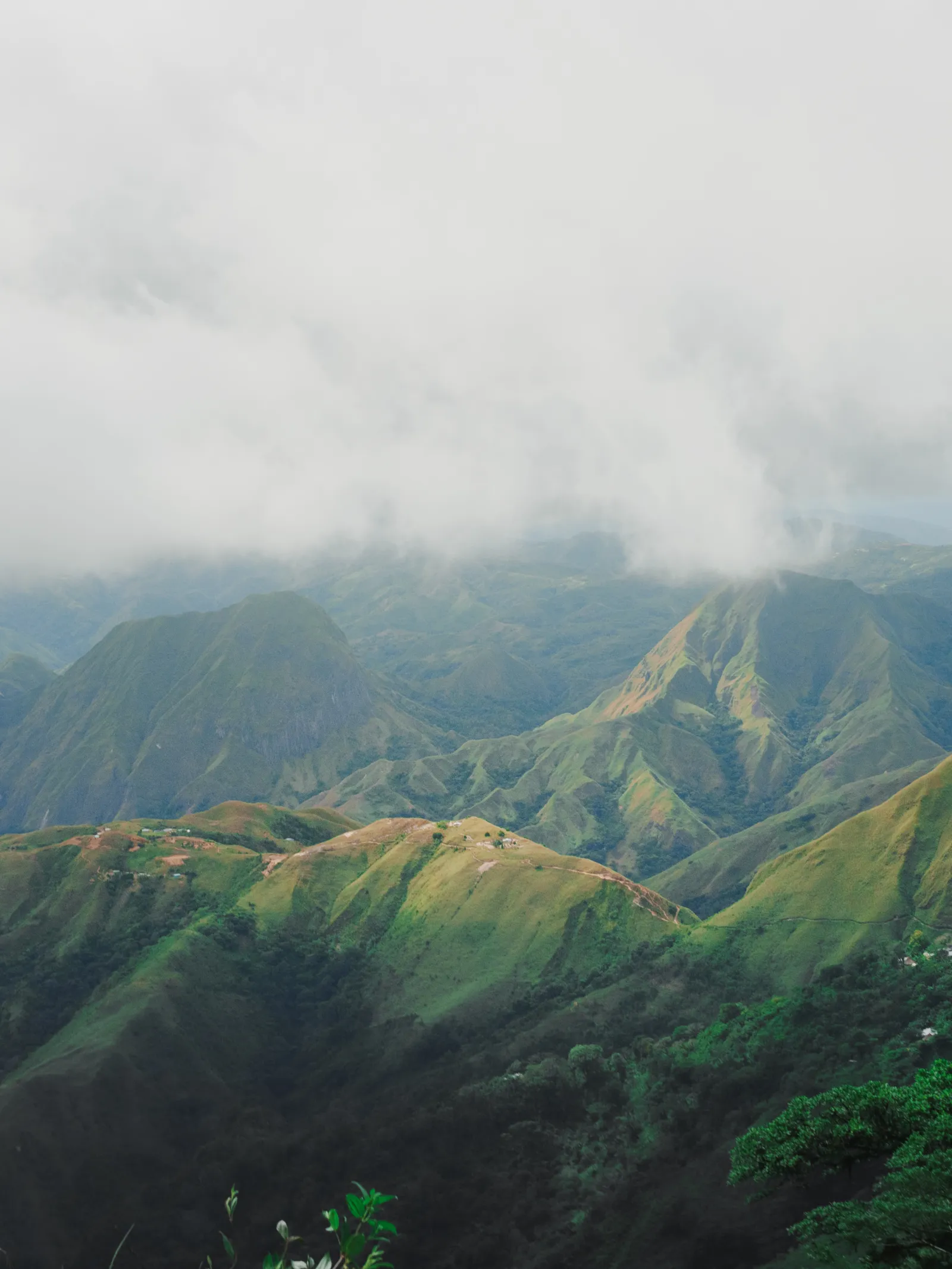
The Ngäbe and Buglé peoples have their own histories connected to western Panama and to territories now part of both Panama and Costa Rica, long predating today's borders. Although they share a single comarca, they are distinct peoples: Ngäbere and Buglere are different languages, not mutually intelligible. Colonial expansion brought warfare and displacement, but mountainous geography and local resistance prevented uniform incorporation. During the nineteenth and twentieth centuries, many families joined agricultural labor circuits, especially the coffee harvests of Chiriquí and Costa Rica, a mobility that still connects communities on both sides of the border. Their territories remained administratively divided among Bocas del Toro, Chiriquí and Veraguas, while demands for territorial recognition grew. Law No. 10 of March 7, 1997 created the Ngäbe-Buglé Comarca, organized into three regions, with the General Congress as its decision-making body and traditional authorities including the caciques. Its Organic Charter was adopted through Executive Decree No. 194 of 1999. In 2012, after a period of intense conflict over mining and hydroelectric projects, Law No. 11 established a special regime protecting the comarca's mineral, water and environmental resources. In recent years, community-based tourism has gained visibility in areas such as Soloy, including Kiki Waterfall.