 Province
History
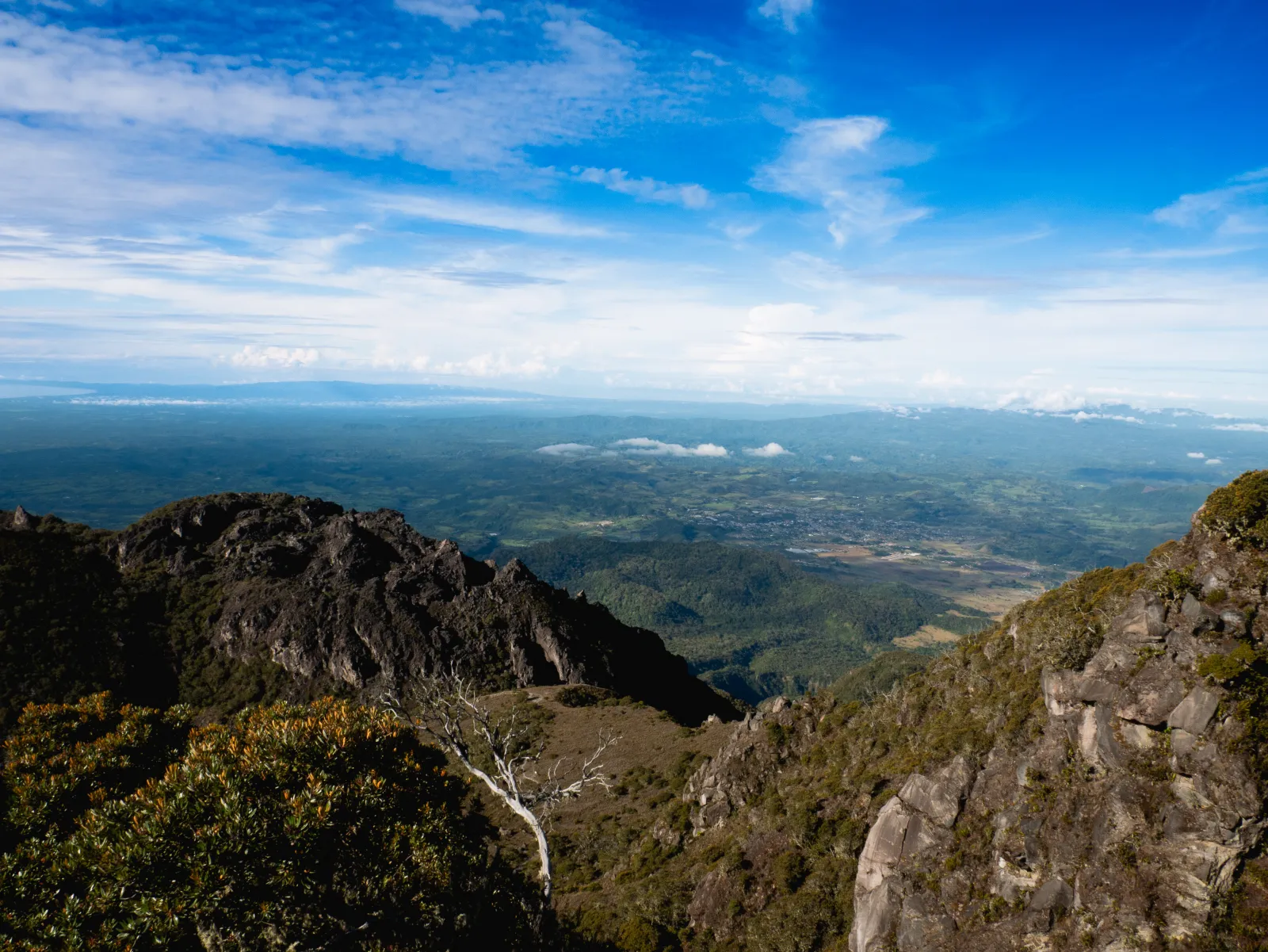
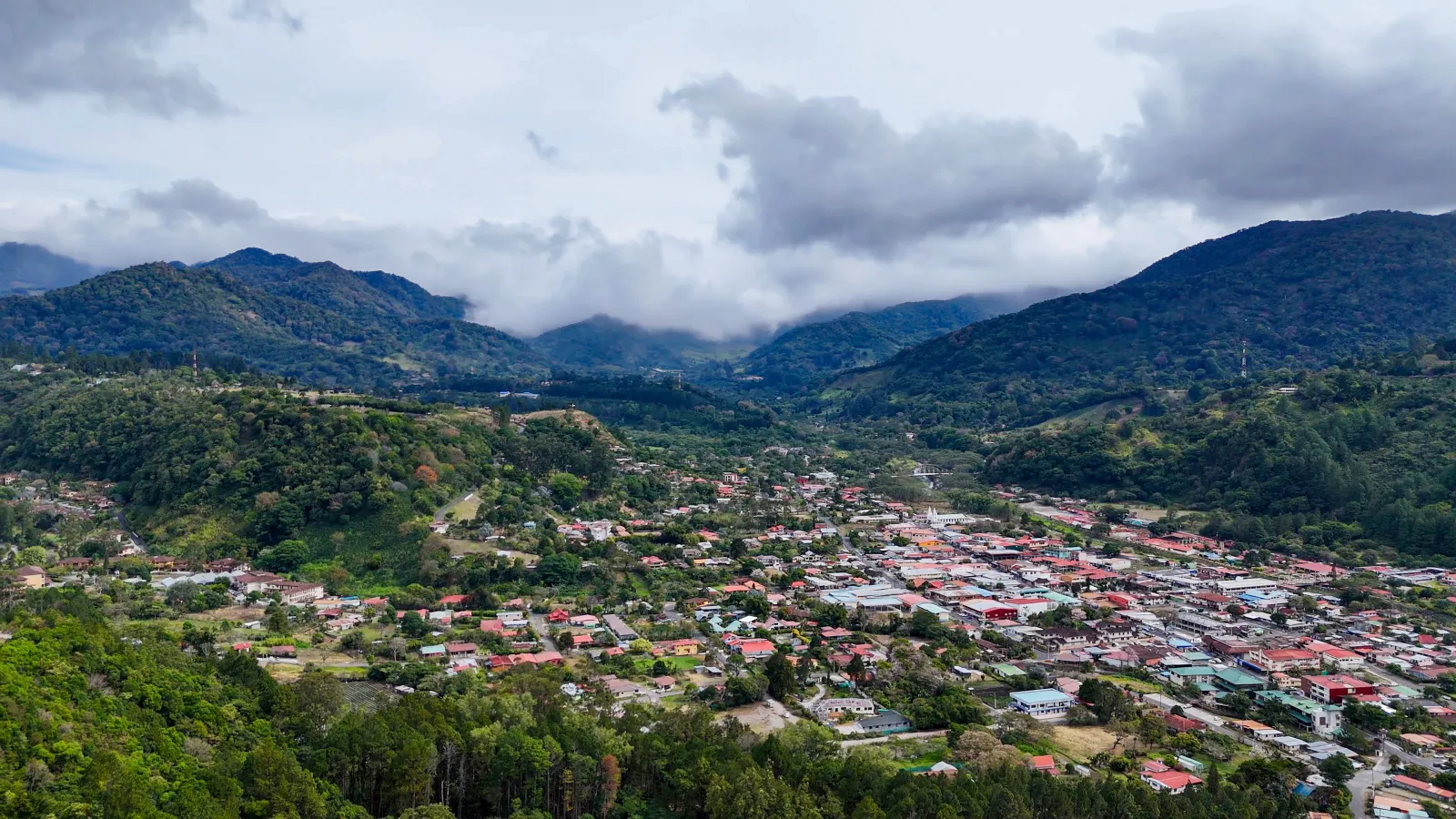
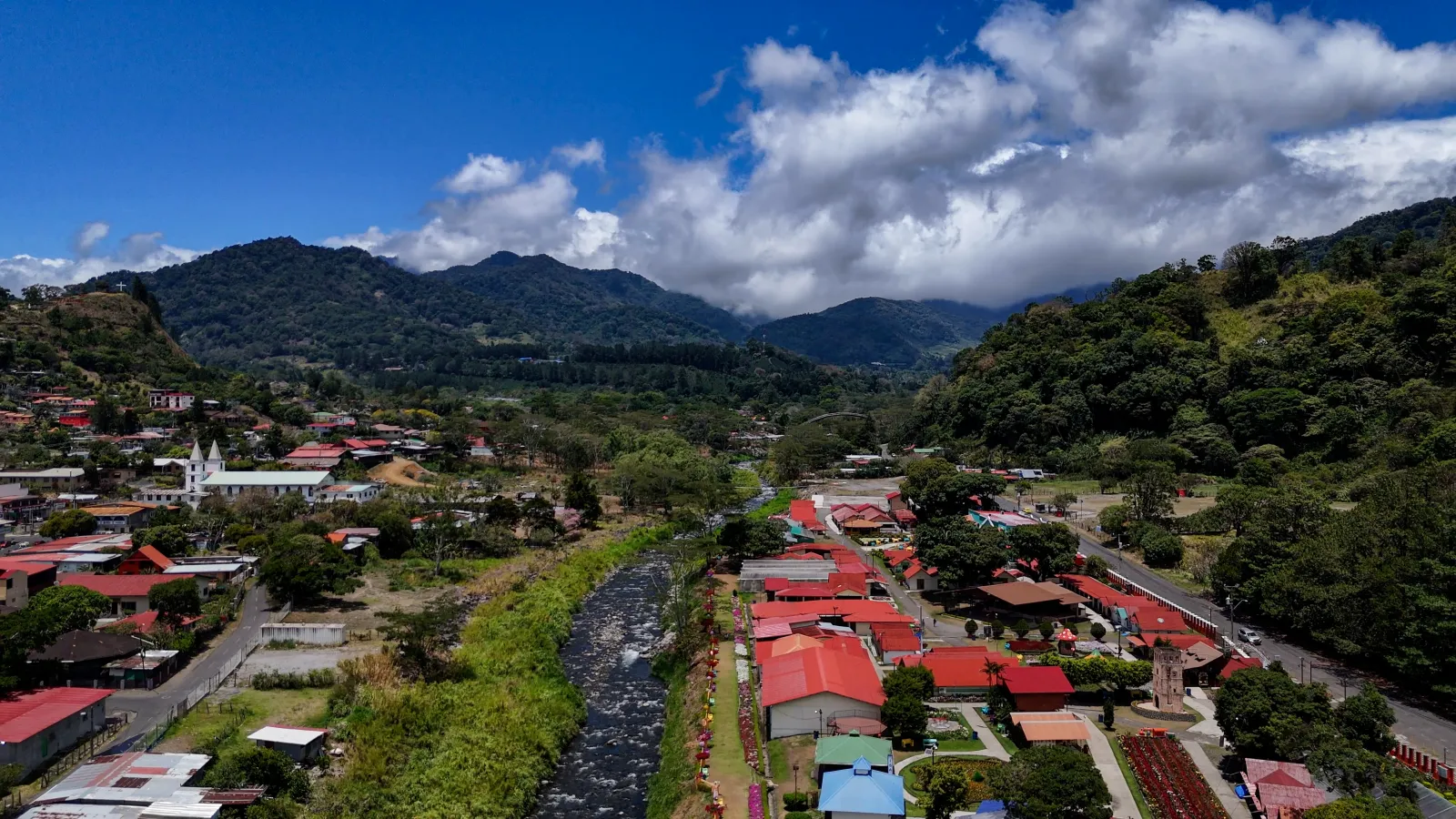
The history of Chiriquí began long before the modern province: different Indigenous societies inhabited western Panama, as archaeological research in the region and the Gulf of Chiriquí shows. During the colonial period, the territory was administratively connected to Veraguas, and its distance from colonial centers fostered a distinctive regional identity. In 1837, the administrative center of the canton of Alanje was transferred to the town of David, strengthening its administrative and commercial role. On May 26, 1849, the Congress of New Granada divided the former province of Veraguas and created the province of Chiriquí, which for a time included Bocas del Toro. Over time, David became firmly established as the capital and main urban center of western Panama. The highlands developed a productive identity built around coffee: organized cultivation began in 1894 in Alto Lino, and the later rise of specialty coffee brought international recognition to Boquete and Tierras Altas. During the twentieth century, Puerto Armuelles became deeply tied to banana production and export, along with the labor migration and conflicts associated with the large banana companies. In recent decades, mountain, coffee and adventure tourism, together with the protection of Volcán Barú National Park, La Amistad International Park and the Gulf of Chiriquí National Marine Park, has reinforced the province's diverse identity.