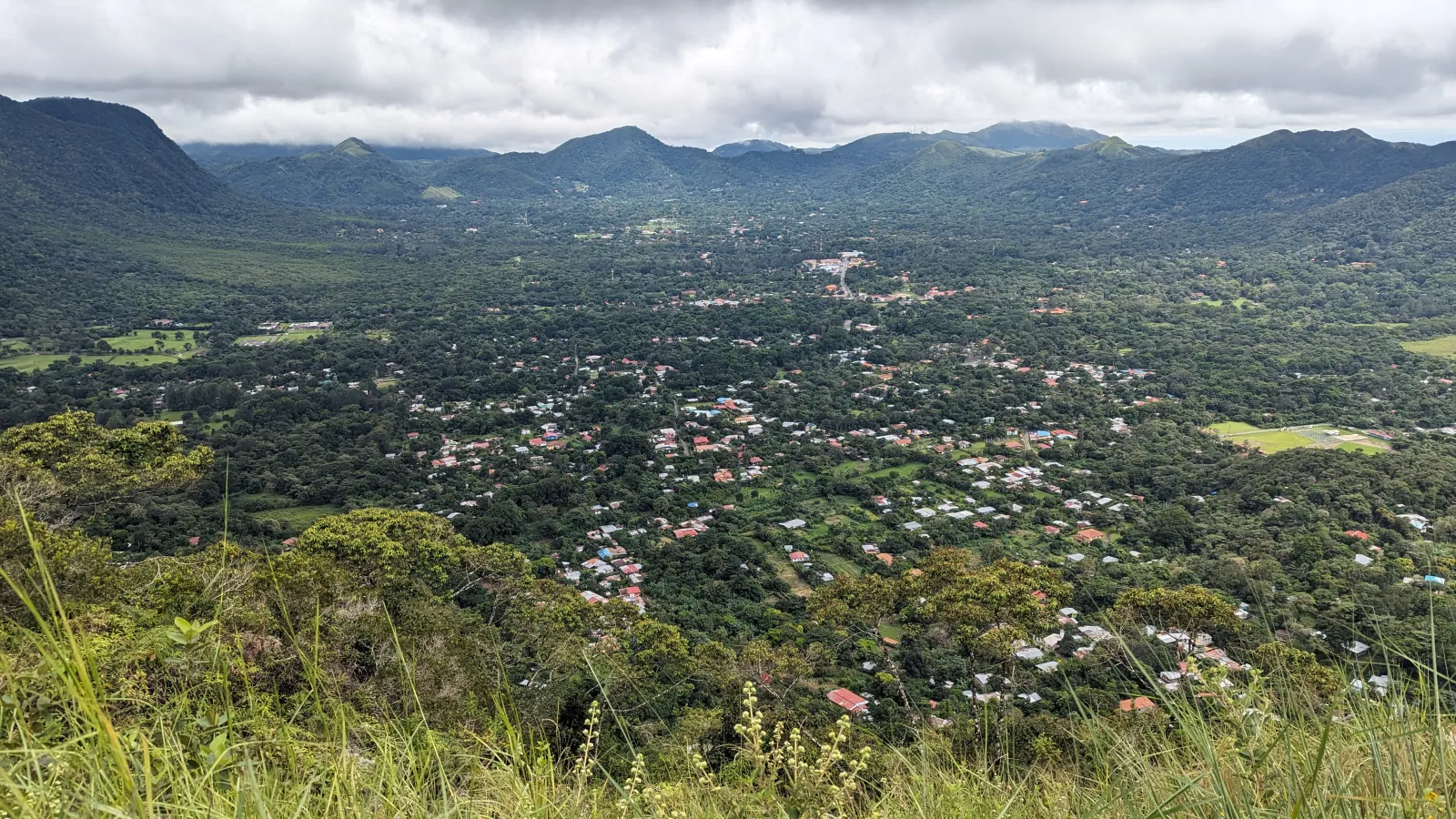
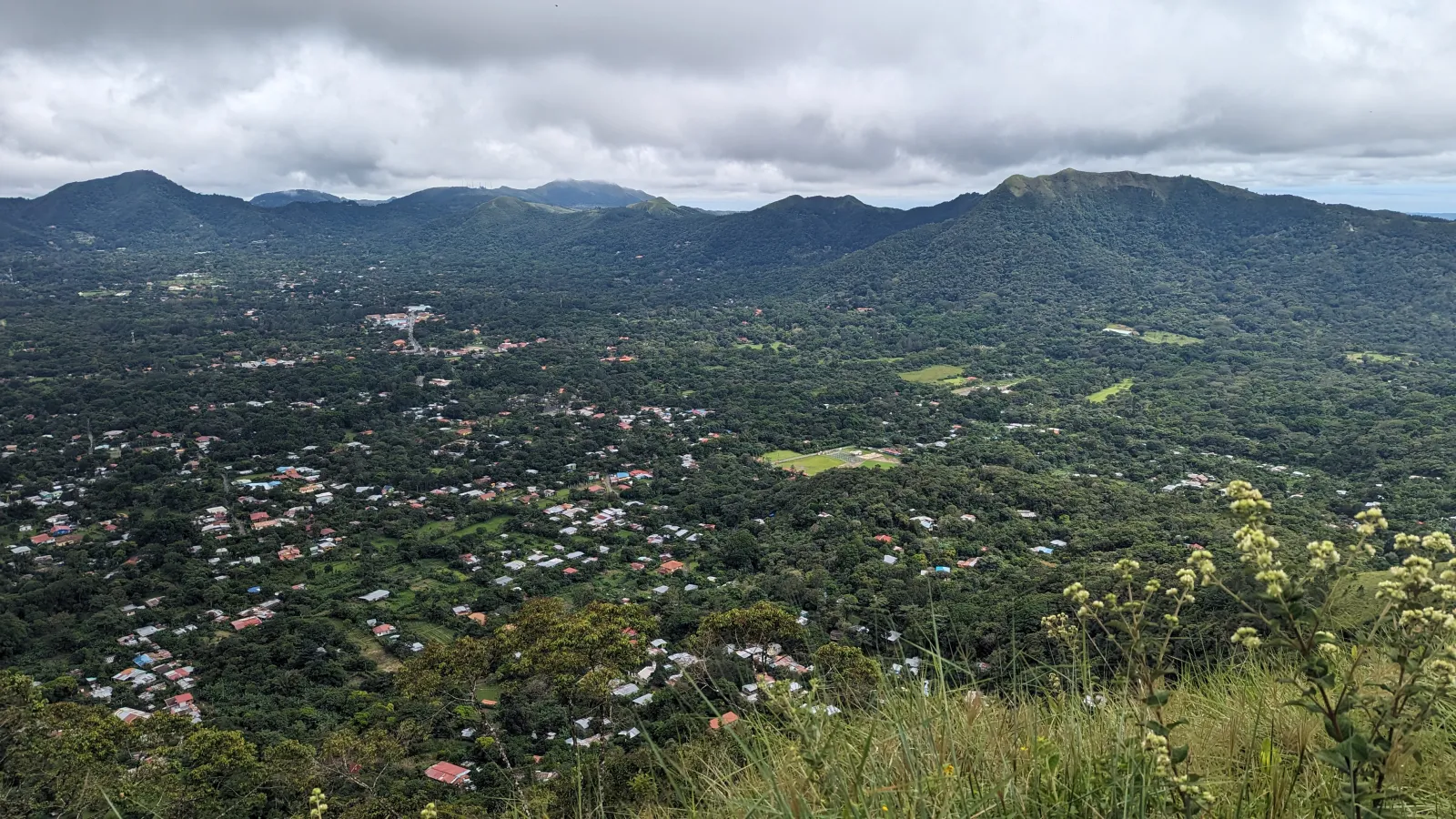
El Valle de Antón lies on the floor of an ancient volcanic caldera, surrounded by mountains that frame one of the most distinctive landscapes in inland Panama. Its quiet streets, gardens, small businesses and community spaces create a town where everyday local life blends naturally with visitors who come to hike, cycle or spend several days immersed in nature.
The town center serves as the main base for exploring the local market, enjoying traditional eateries, cafés and restaurants, cycling through the streets, and planning visits to hiking trails, waterfalls, thermal springs, farms and wildlife conservation centers. Each of these places operates under its own access conditions, schedules and admission fees, so they should be planned independently from a general visit to El Valle.
Today, El Valle combines outdoor recreation, conservation, local craftsmanship and community life into a distinctive travel experience. In 2024, it was recognized by UN Tourism through the Best Tourism Villages initiative, which highlights rural destinations committed to preserving their natural and cultural heritage. A visit may be as short as a walk through the town center or extend over several days to explore the surrounding landscapes. If you plan to hike, check the weather forecast, official advisories and current trail conditions before setting out.
Explore the place
Image gallery
Photograph byPanamAdventure editorial
Photograph byPanamAdventure editorial
Photograph byPanamAdventure editorial
Photograph byPanamAdventure editorial
Photo of 4
Photograph byPanamAdventure editorial
Photograph byPanamAdventure editorial
Photograph byPanamAdventure editorial
Photograph byPanamAdventure editorial
Understand the place
History
El Valle’s physical history began long before the town itself. The Smithsonian Global Volcanism Program identifies the landscape as a broad caldera formed during the Pleistocene. Its floor was once occupied by a lake and later became the setting where the present-day settlement developed. The walls and peaks surrounding the town remain visible expressions of that geological origin.
A rural community grew within this landscape and became a traditional destination for Panamanian travelers. Agriculture, commerce, mountain outings, thermal springs and growing interest in biodiversity gradually broadened its tourism role. More recent public planning has sought to connect the town with the Ruta de la Caldera and strengthen hiking, cycling, scientific tourism, gastronomy and community-led initiatives.
In 2024, El Valle de Antón joined UN Tourism’s Best Tourism Villages initiative. The recognition does not treat the town as a tourism compound separate from its residents; it highlights the relationship between rural heritage, nature, community life and a sustainable approach to tourism.
Culture
El Valle’s culture belongs to an active town, not to a setting created only for visitors. The market brings together produce, food and handicrafts, while local eateries, bakeries, cafés and restaurants reflect a food scene shaped by Panamanian flavors and by people who have made their lives in the valley.
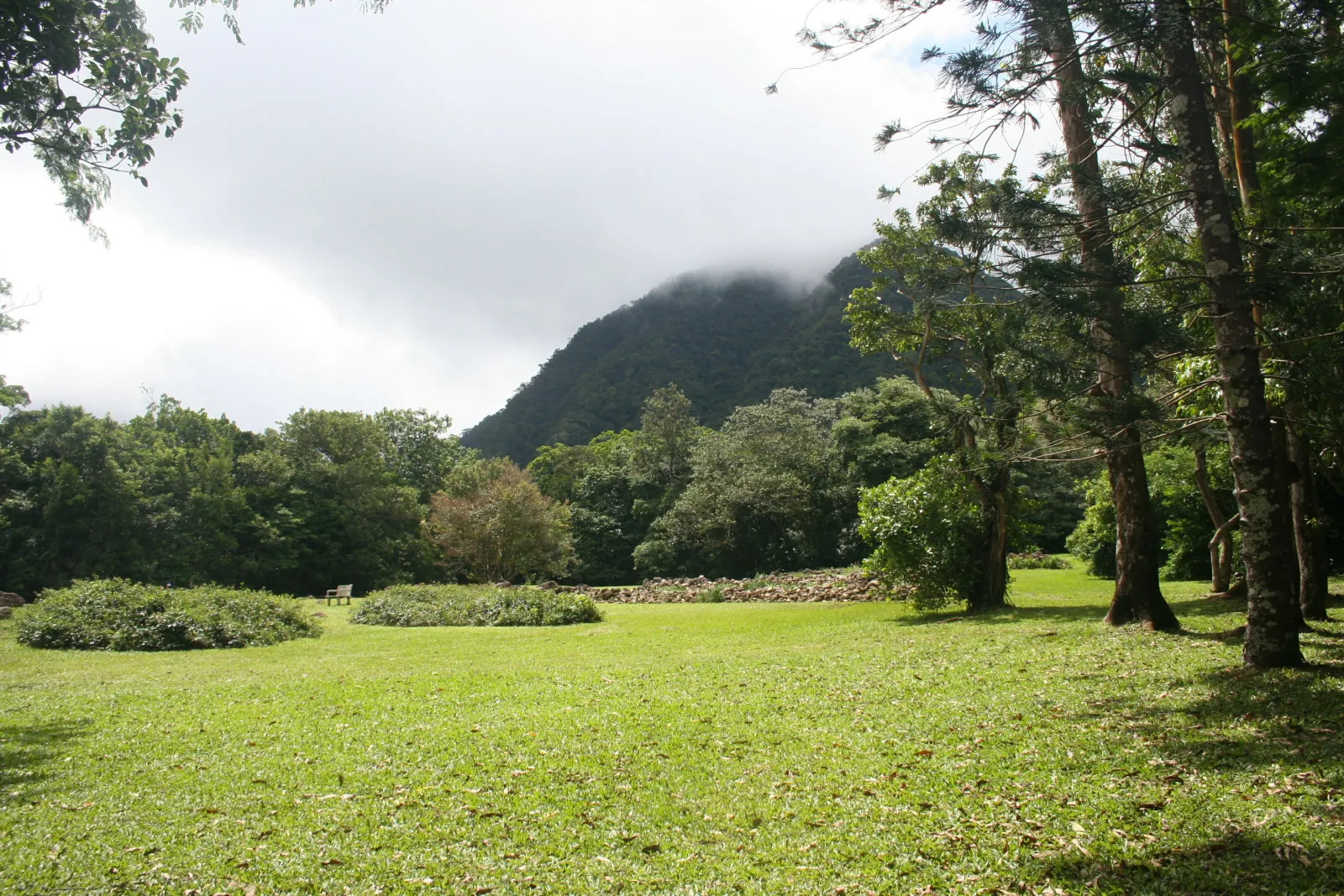
Artisans, guides, merchants, community associations and organizations connected with tourism and conservation all help shape how the destination is presented and cared for. Piedra Pintada and other nearby places add archaeological and storytelling dimensions, but they retain their own identity, access arrangements and management.
Buying directly from producers and artisans, hiring local services and respecting everyday community spaces helps connect the visit with the town as it is lived. El Valle’s cultural value rests in the continuing relationship between community, landscape and local activity.
Climate
El Valle de Antón has milder conditions than the nearby coastal lowlands because of its higher, mountain-ringed setting. Rain supports the vegetation that defines the landscape and can occur at any time of year, so a clear morning does not guarantee unchanged conditions throughout the day.
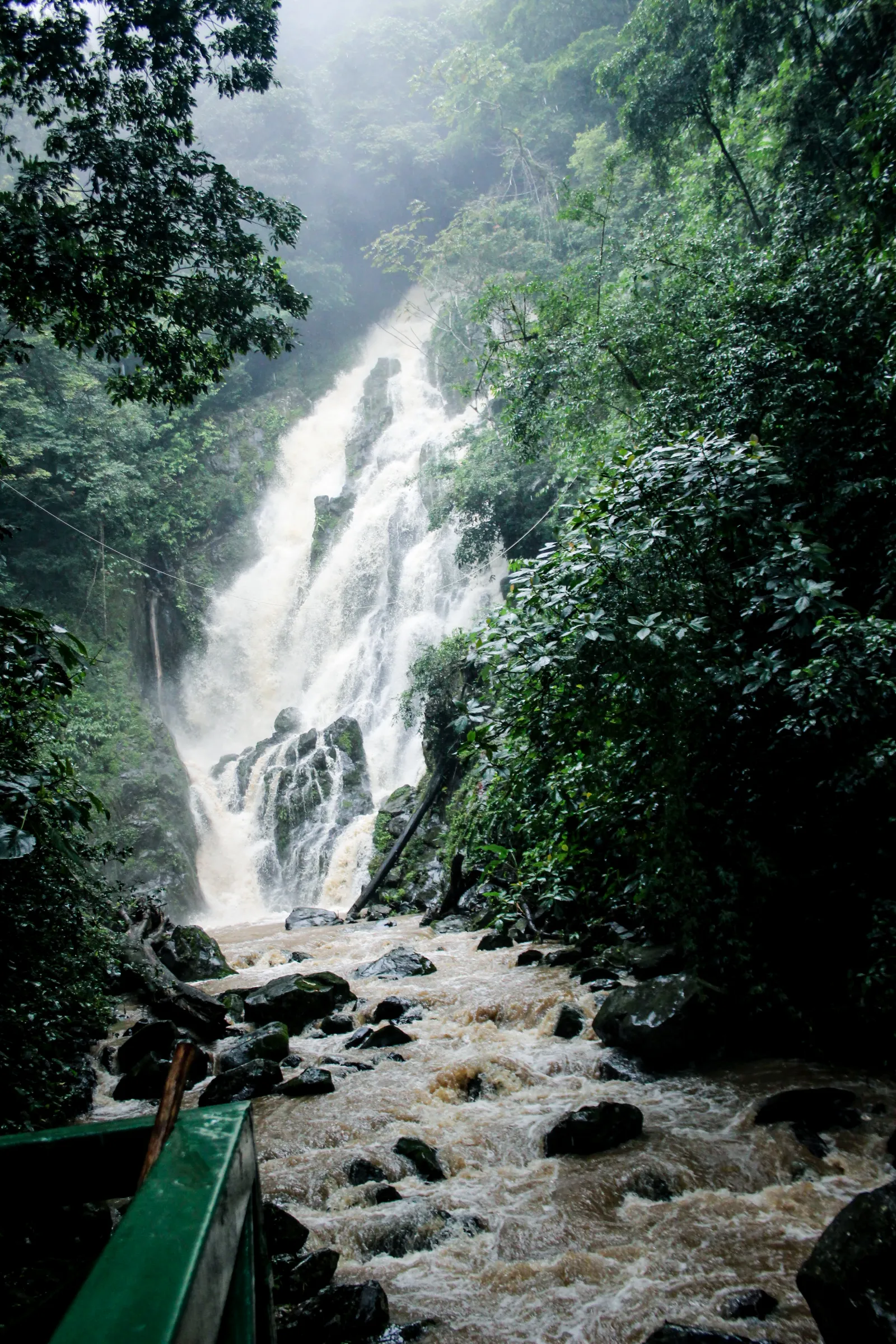
The town center can be visited year-round, but trail conditions change with rain, mist, wind and wet ground. MiAmbiente has ordered preventive closures in Coclé’s protected areas when swollen waterways, fallen trees or unstable paths create risks. Before hiking, check official notices and do not assume that good weather in town means every trail is open.
Area and surroundings
El Valle de Antón is arranged across the relatively level caldera floor, with slopes and peaks defining nearly every horizon. The urban core concentrates streets, homes, lodging, shops, restaurants, the market and visitor services. Its compact scale and limited gradients make much of the center suitable for walking or cycling.
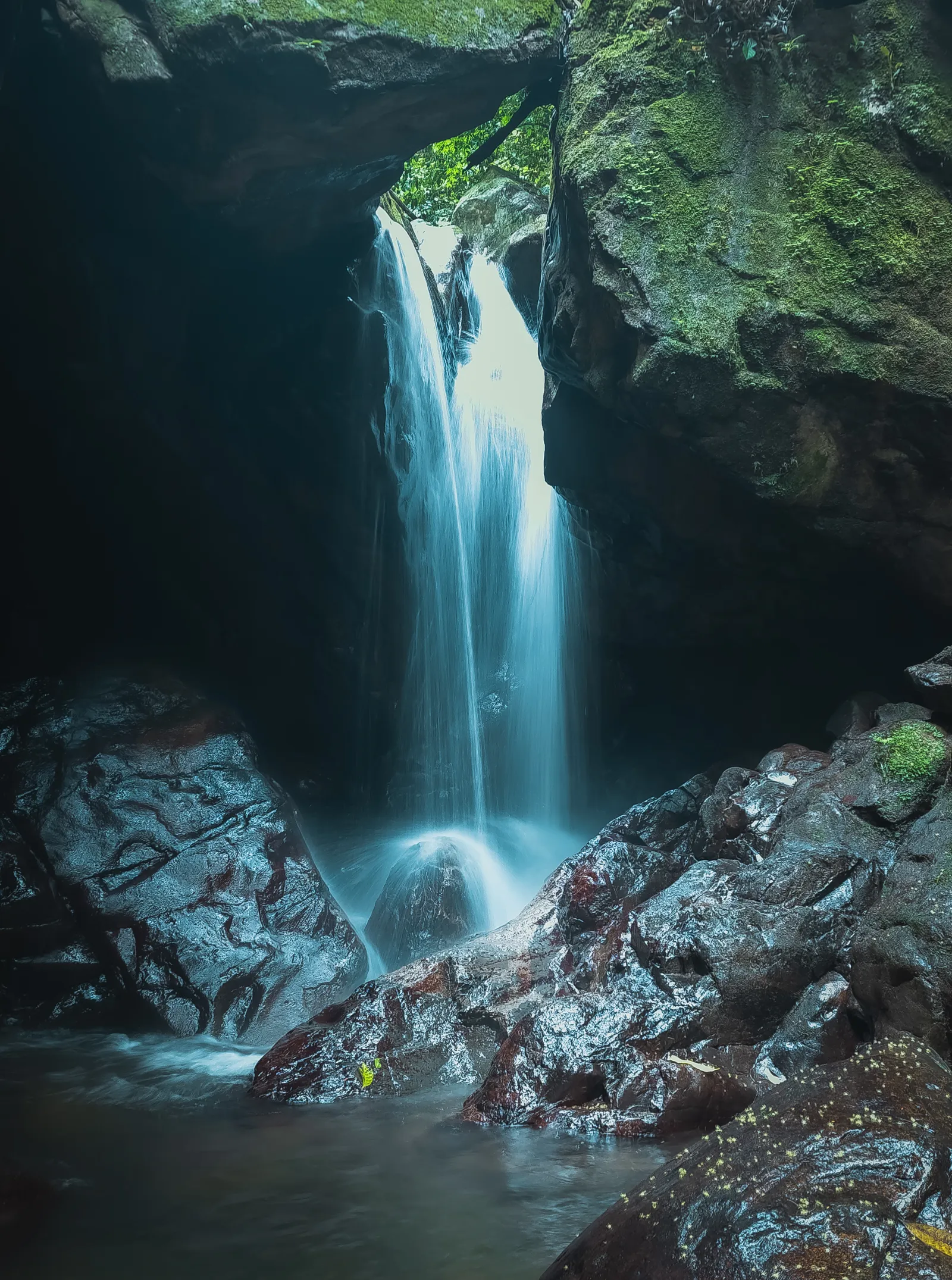
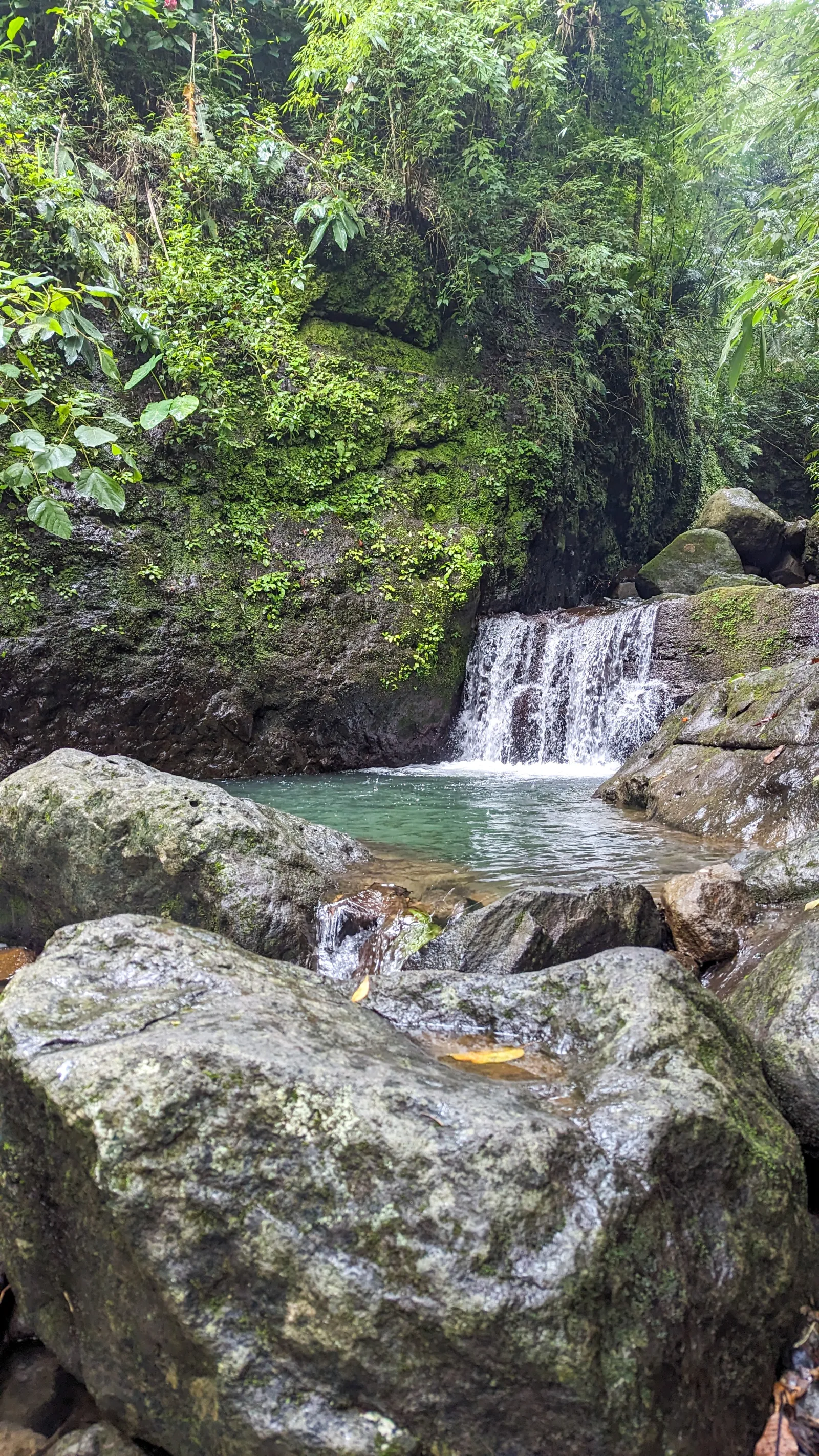
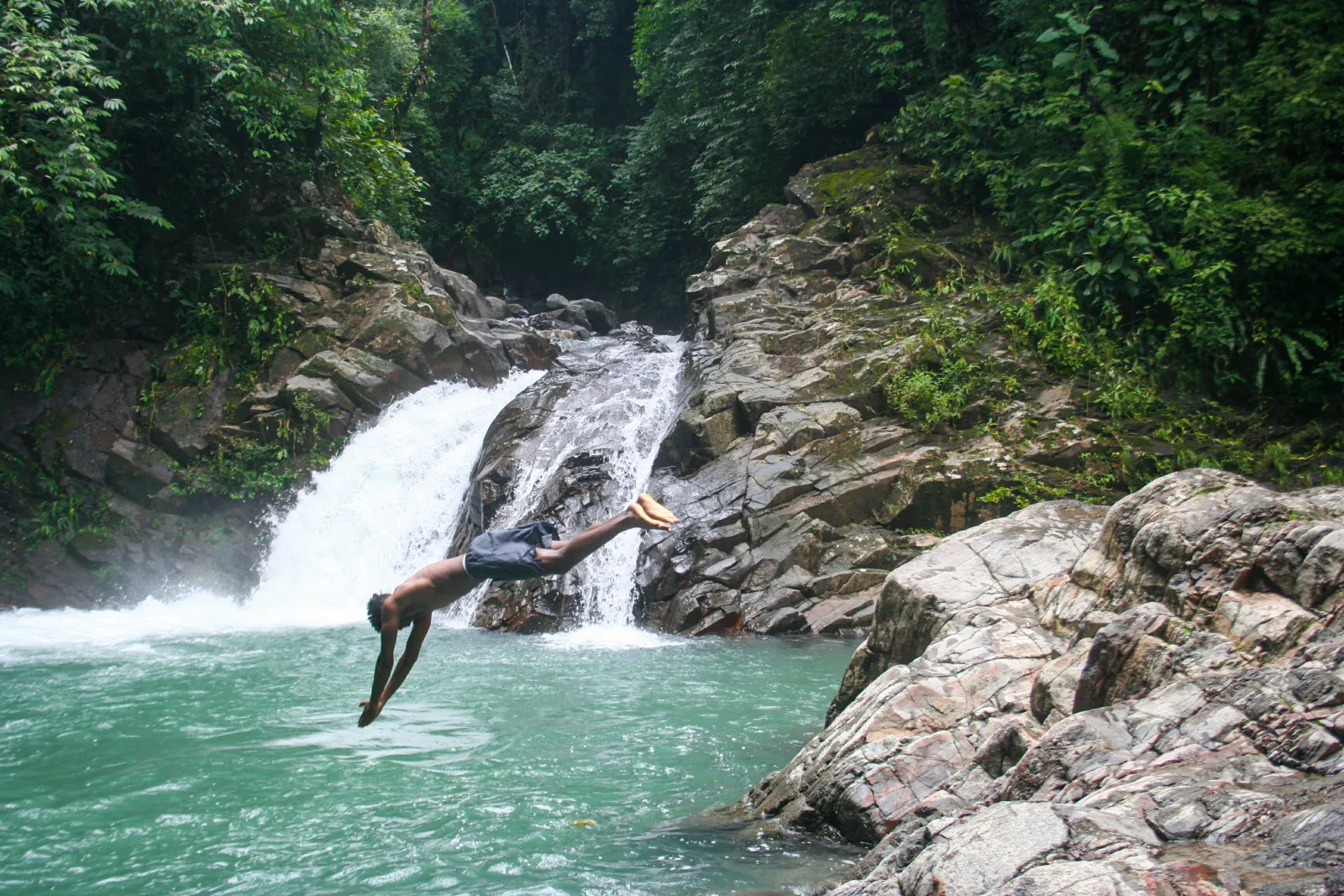
Beyond the center, roads lead toward communities, farms, rivers, waterfalls, protected areas and trails on the slopes or around the caldera. La India Dormida, Cerro Gaital, Chorro Las Mozas, the thermal springs, Piedra Pintada and other places belong to the destination’s wider experience, but they are not a single facility. This layout makes the town a practical base from which each outing can be planned according to its own access and management.
Nature
El Valle’s natural setting is shaped by the caldera, forested slopes, waterways and vegetation supported by the humid environment. The contrast between the inhabited floor and the surrounding mountains creates a quick transition from streets and gardens to farms and trails. Birdwatching and hiking are established parts of the tourism offer, although wildlife sightings can never be guaranteed.
The Panamanian golden frog holds a special place in the destination’s environmental identity. The El Valle area was one of its last strongholds before chytrid fungal disease caused its disappearance from the local wild. Scientific breeding, conservation and reintroduction programs are now under way, so its story should be understood through research and conservation rather than as an animal visitors can expect to find freely.
Specialized centers, protected areas and trails provide different ways to approach this biodiversity. Respecting closures, leaving plants and animals undisturbed and staying on authorized routes helps protect the landscape that supports the El Valle experience.
Practical tips
El Valle de Antón can be visited year-round. From December through April, the drier season, conditions are generally more favorable for exploring the town, hiking and enjoying outdoor activities. From May through November, the landscape becomes especially lush and rivers and waterfalls usually carry more water, although rainfall is more frequent and some trails may be temporarily closed or become more challenging.
Plan to stay more than one day if you want to combine the town with several trails and attractions, as each site has its own opening hours, admission fees, access requirements and visiting conditions. Wear comfortable footwear for exploring the town center and consider renting a bicycle. If you plan to hike, bring footwear with good traction, water, sun protection and a lightweight rain jacket, and confirm that the trail is open before setting out.
Do not use the opening hours or admission fee of a single attraction as a reference for El Valle de Antón as a whole. Check access conditions directly with wildlife conservation centers, waterfalls, thermal springs, farms, trails and private properties. During periods of heavy rain, strong winds, flooding or unstable terrain, follow official advisories issued by MiAmbiente and SINAPROC, as these take priority over any previous travel plans.
Support local producers, artisans, guides and businesses, avoid leaving waste behind, and behave respectfully in residential neighborhoods and community spaces. El Valle is a living town throughout the year, and a responsible visit recognizes and respects its everyday life.
How to get there
From the Inter-American Highway, take the signposted turn toward El Valle de Antón in the Las Uvas area and continue along the paved road that climbs into town. Under normal conditions, the route is accessible by sedan or SUV. Bus service is also available from the Albrook National Transportation Terminal, although departure times, platform information and service frequency should be confirmed before traveling.
Once in El Valle, much of the town center can be explored on foot or by bicycle. Some trails, waterfalls, protected areas, farms and visitor facilities are located outside the center or have separate entrances. Before visiting, confirm each site’s access requirements, reservation or guide policies, current opening hours and any temporary closures.
Opening hours
The town has no general access schedule. Trails, protected areas, markets, conservation centers, thermal baths and privately managed attractions have their own opening hours and closures, which should be confirmed before visiting.
We use analytics cookies to understand which content is most useful and improve the site. They are enabled only if you accept them, and you can change your choice here. Read our
privacy policy.
Analytics cookies
They are optional and help us improve the content.
 Coclé
Coclé