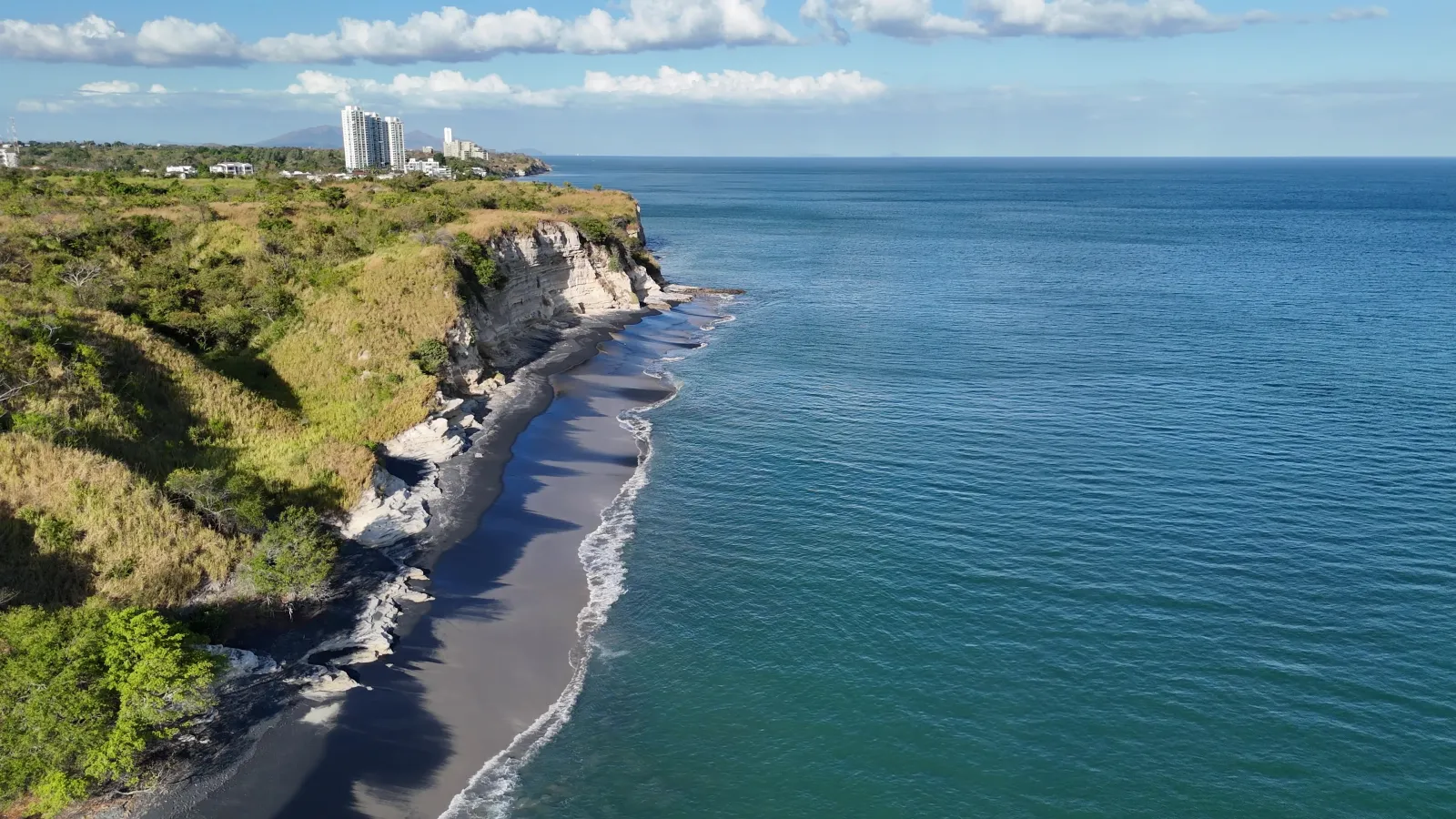
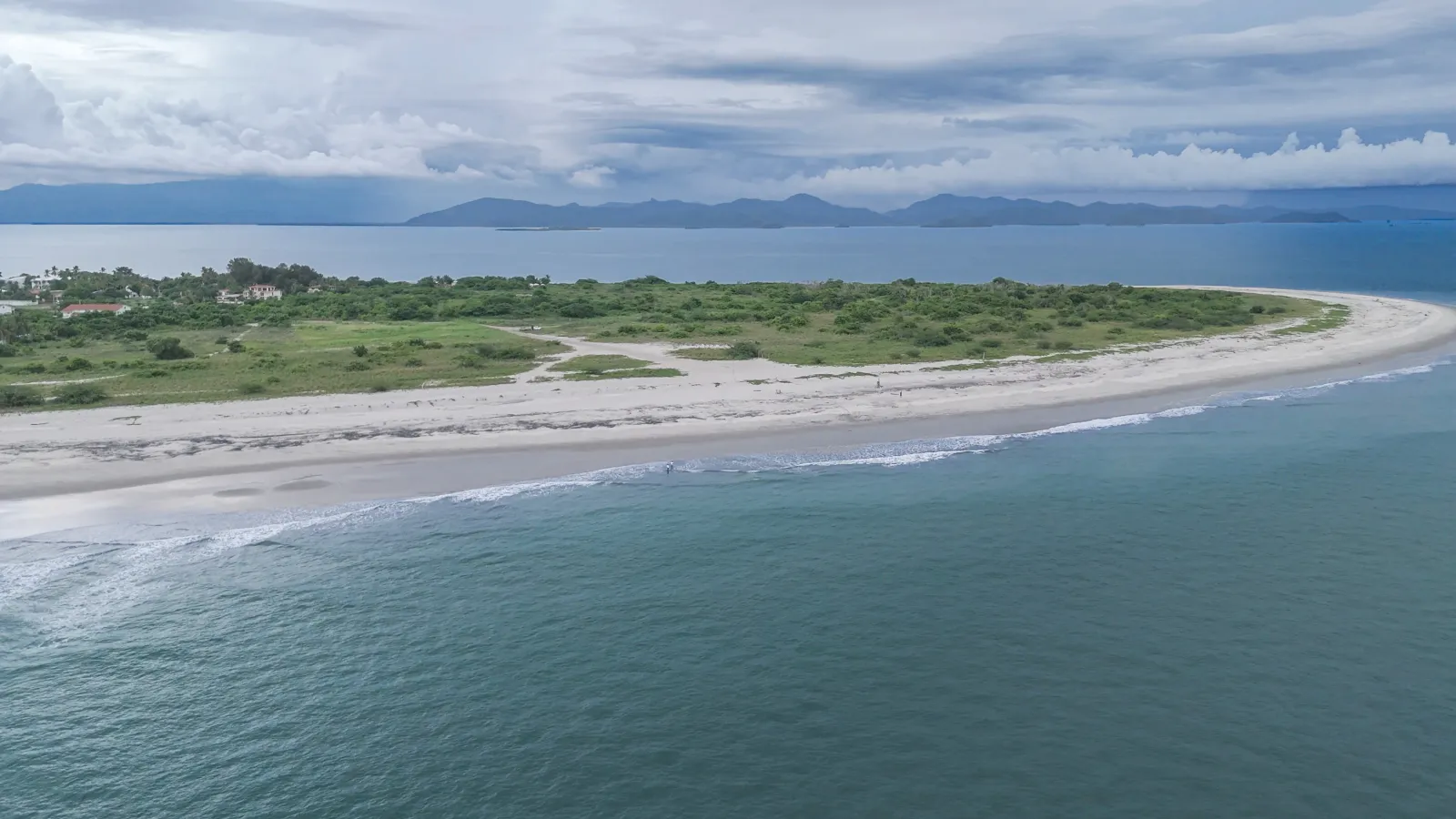
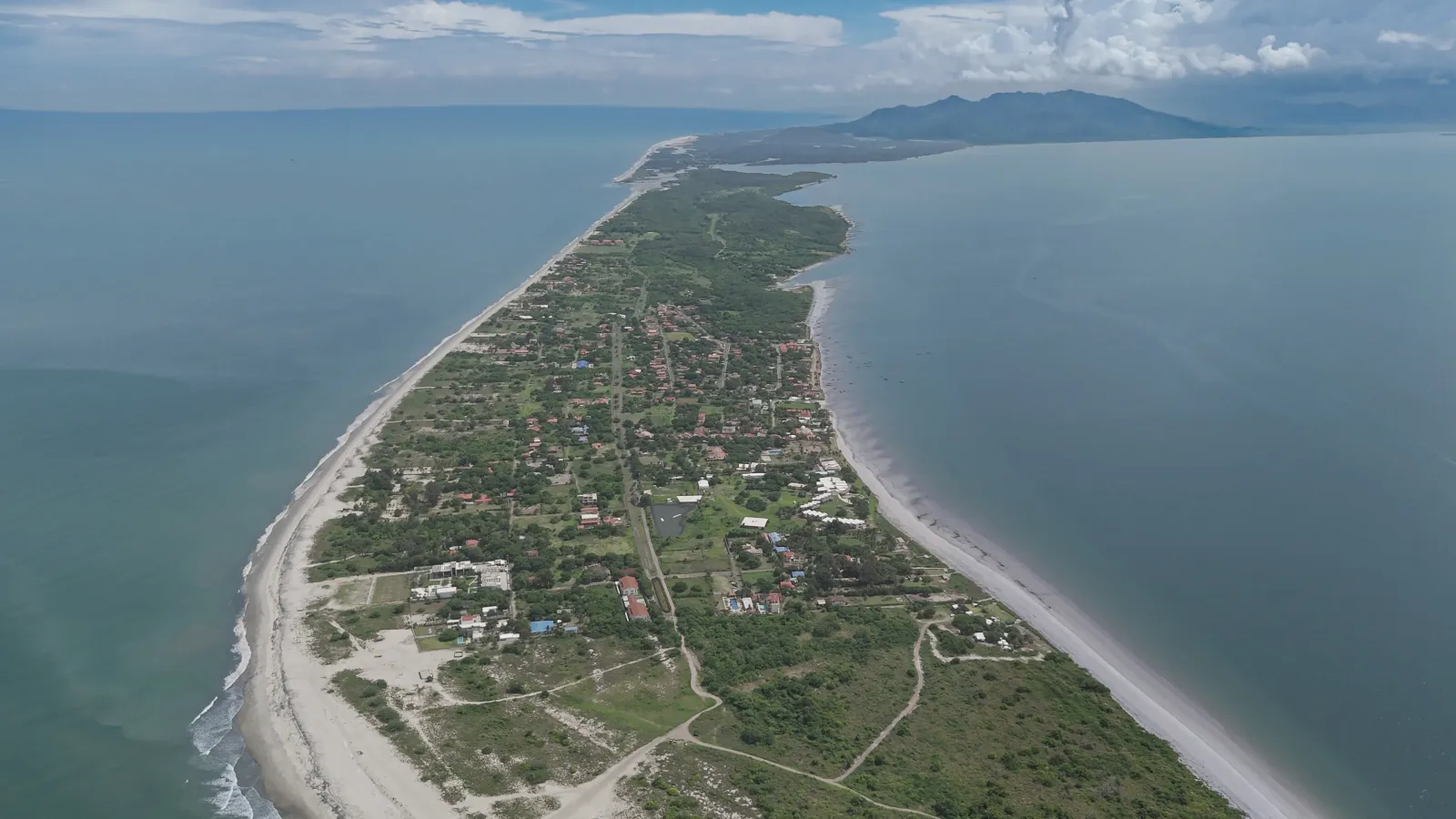
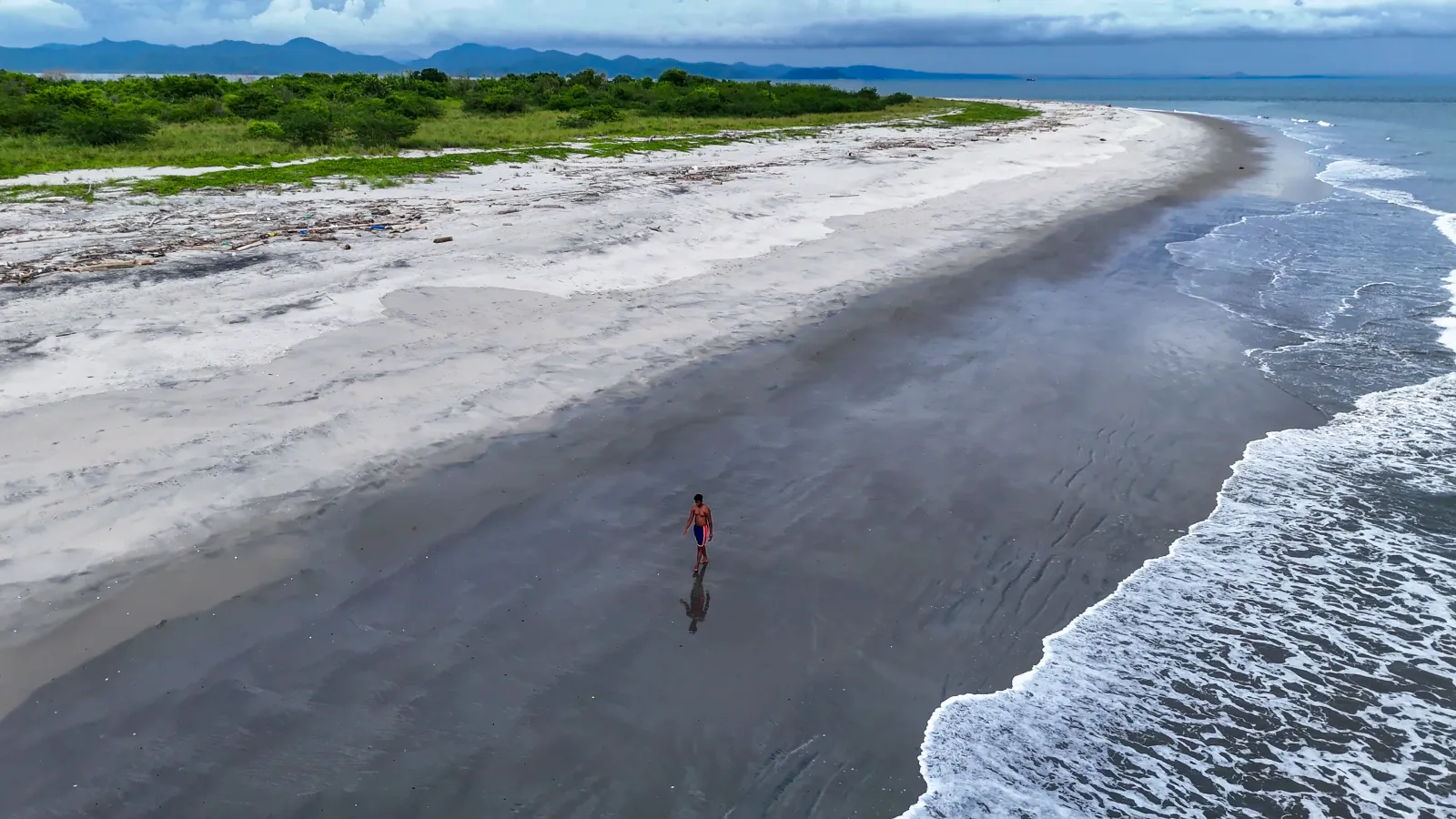
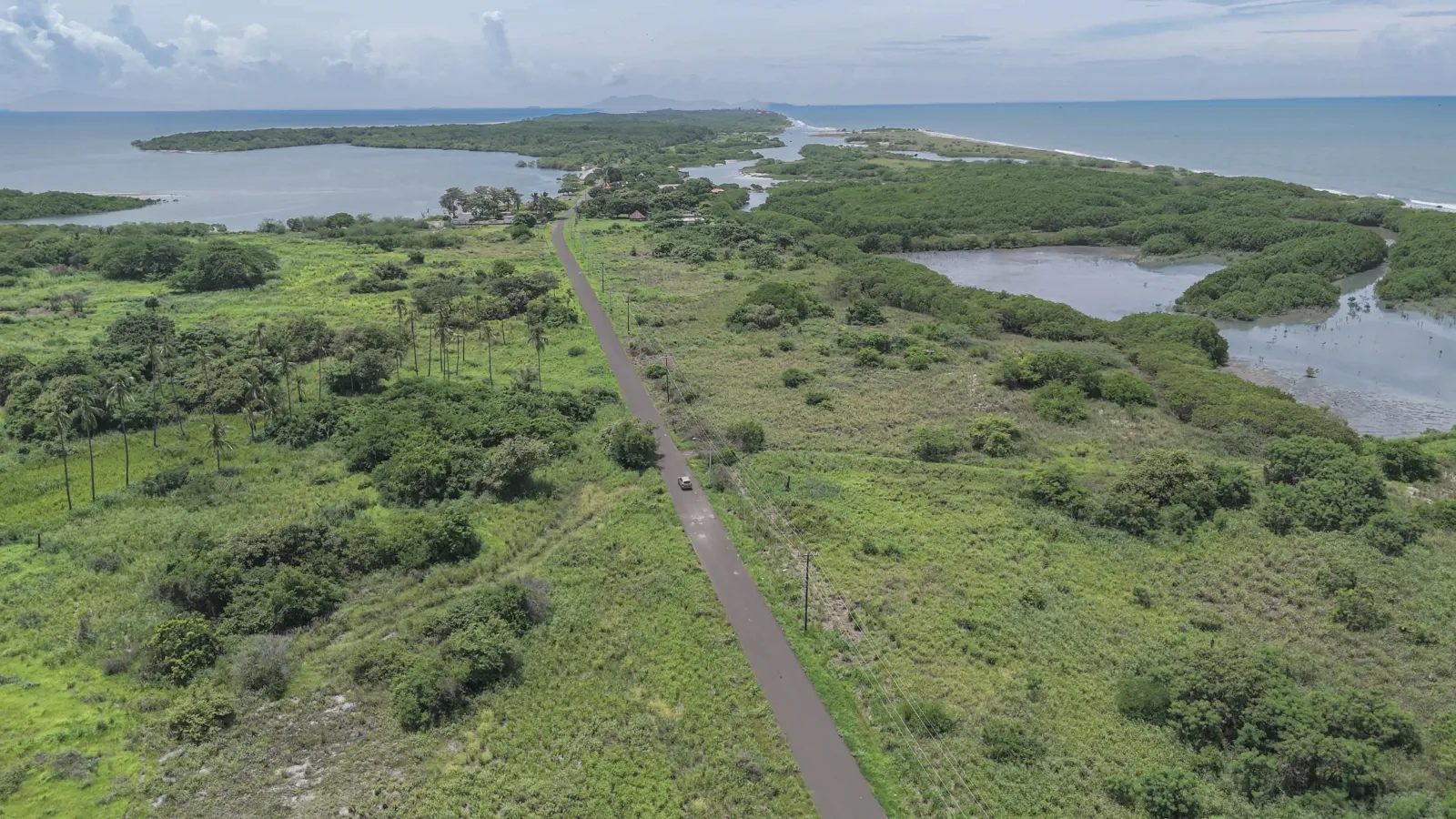
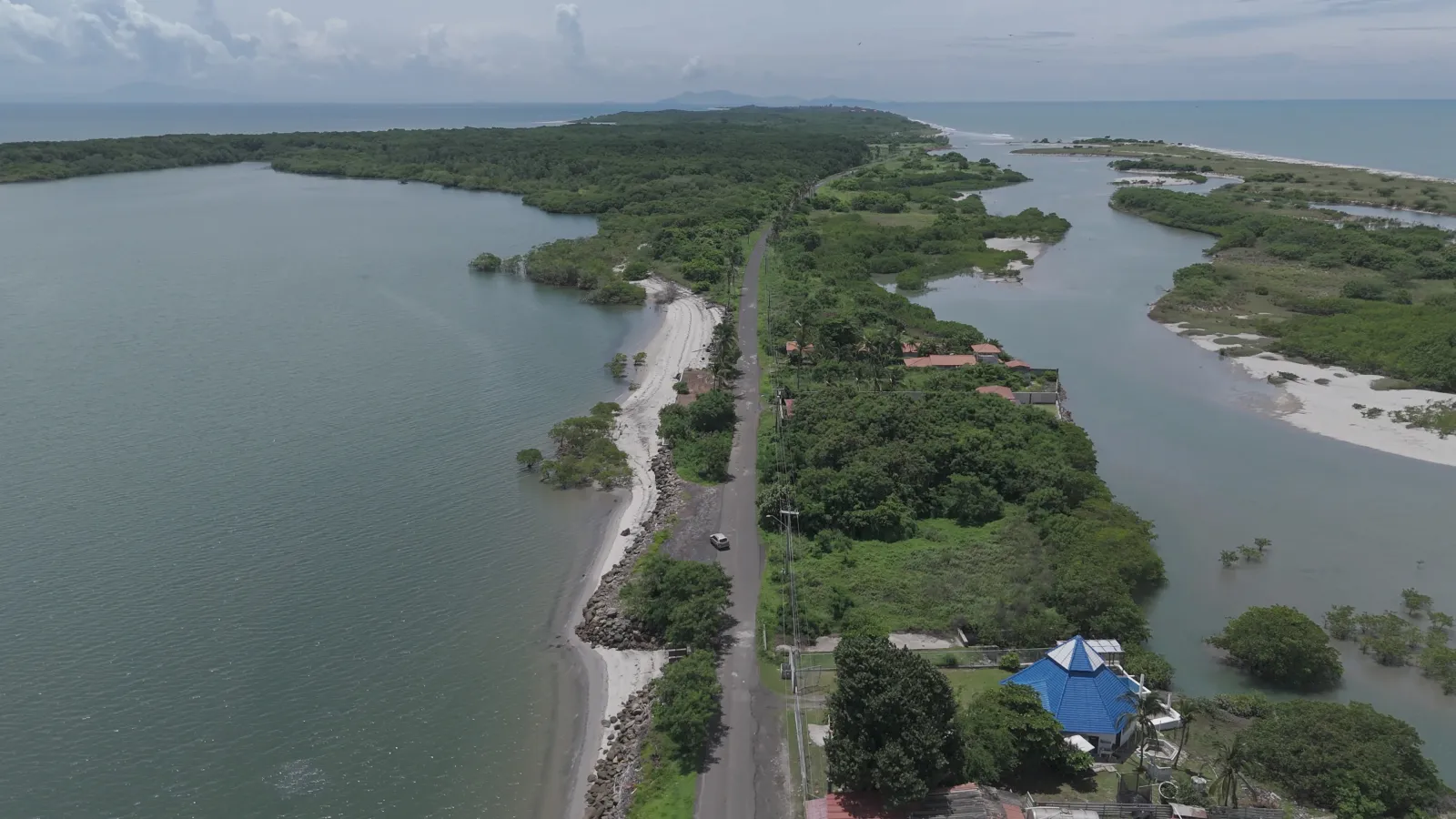
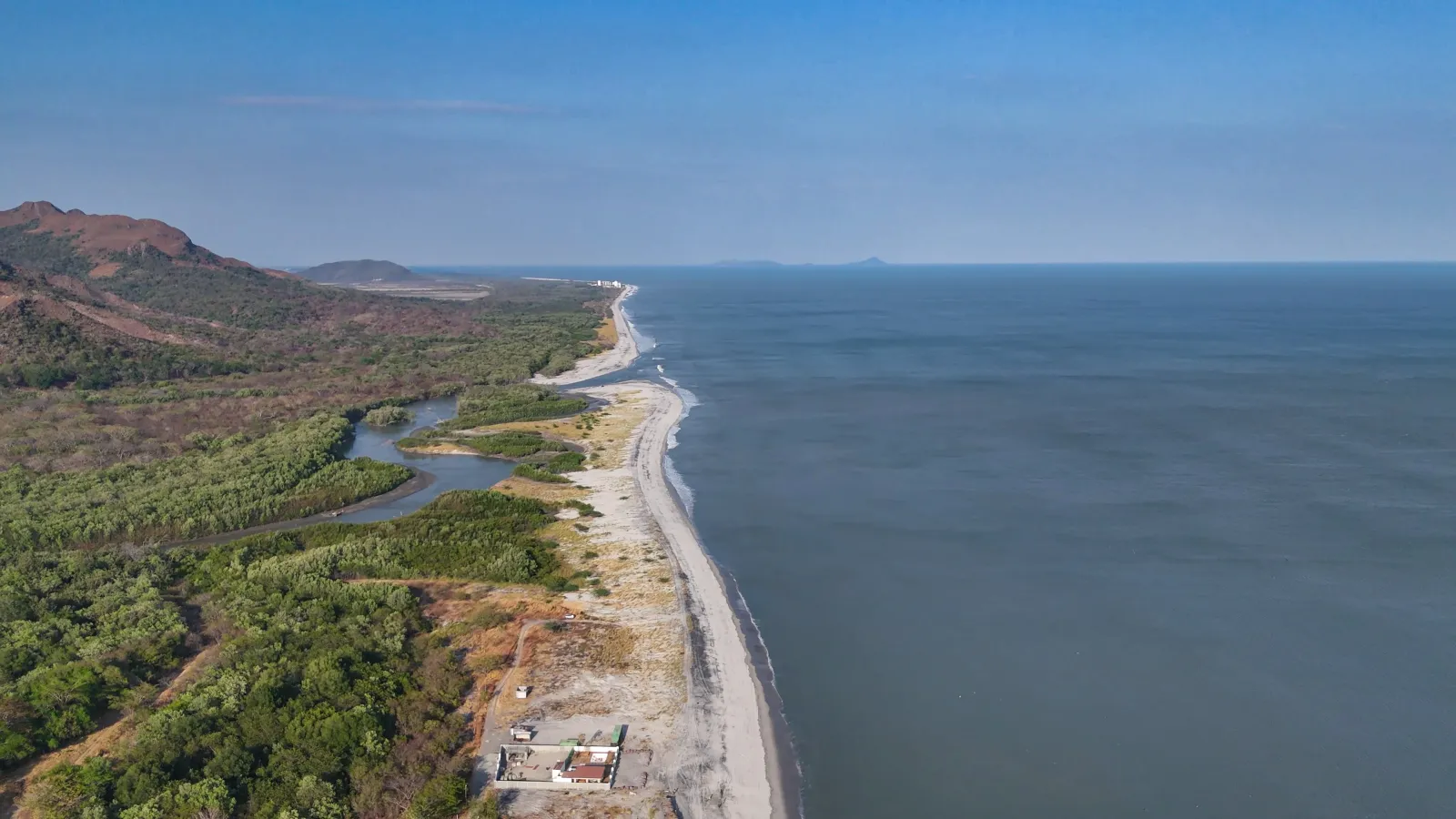
The road into Punta Chame follows a long, narrow peninsula where the sea appears on both sides along different stretches. At the end lies a broad, open beach shaped by the wind, the Pacific horizon and the nearby village that shares its name.
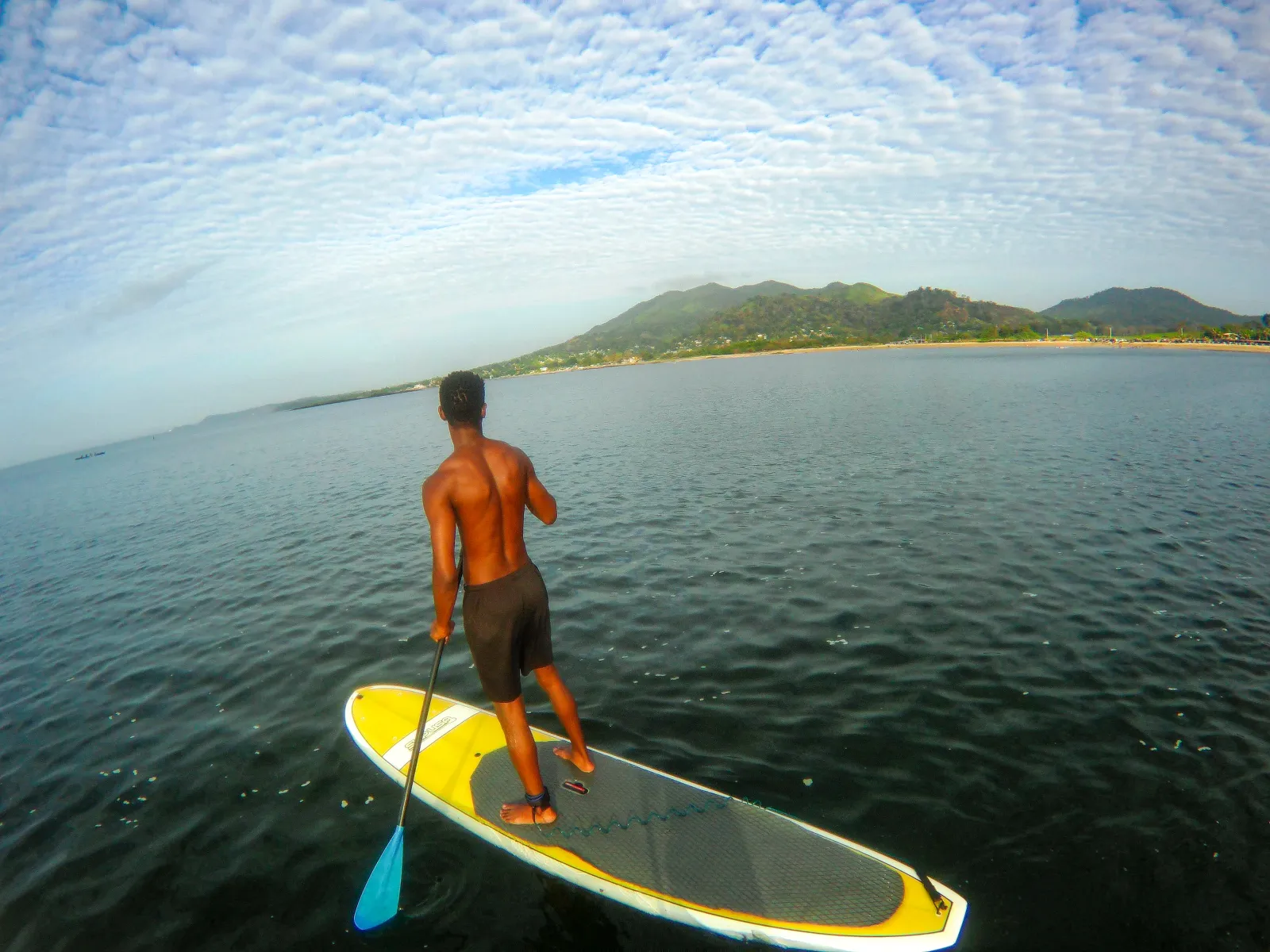
Punta Chame offers several ways to experience the coast. Visitors can spend the day by the water, walk along the sand or watch kitesurfing kites sweep across the sky when the winds are favorable. Private schools and operators also provide kitesurfing, windsurfing and foil lessons, while lodging and restaurants are available near the beach.
The destination also serves as a departure point for boat trips toward Otoque, Estivá and Boná. Between July and September, some operators offer humpback whale-watching excursions, although every departure depends on sea conditions and wildlife encounters are never guaranteed.
Its appeal reaches beyond the size of the beach. Punta Chame reveals how a coastal community, wind sports, local boating and the mangroves of Bahía de Chame coexist within a changing shoreline. Arrive with enough time, check wind, tides and surf conditions, and confirm any privately operated activity separately.
Explore the place
Image gallery
Photo of 4
Understand the place
History
The clearest documented chapter of Punta Chame’s history is its recent relationship with coastal tourism and conservation. In 2009, the Bahía de Chame Mangroves Multiple-Use Area was created to protect an extensive mangrove system spanning several townships in the district. Punta Chame belongs to this broader territory, although the beach, the village and the protected area are not the same entity.
When Panama’s Sustainable Tourism Master Plan was updated for 2020–2025, the Panama Tourism Authority included Punta Chame as one end of the Pacific Riviera and highlighted windsurfing and other ocean-based activities within the region’s tourism offering. This planning strengthened a destination identity already associated with the beach, seasonal winds and marine excursions.
Studies published in 2024 and 2025 examined erosion and shoreline change, particularly along the narrow neck of the peninsula. These processes show that Punta Chame is not a fixed landscape: its shape and access routes are connected to marine dynamics, mangrove health and the conservation decisions made across the territory.
Culture
The village of Punta Chame is part of the experience and should not be treated merely as the road to the beach. Lodging, restaurants, water-sports schools and other providers near the coast connect local life with visitors arriving for a day trip or a longer stay.
The community’s relationship with the sea is also visible through boating. Official tourism information documents outings in small boats operated by local fishers, private trips toward Otoque and Boná, and seasonal whale-watching excursions. Each service is arranged independently, so there is no single community itinerary or general fee covering the entire destination.
Visiting Punta Chame means entering a lived-in coastal space. Supporting local businesses, coordinating with responsible providers and keeping the beach and departure areas free of waste are practical ways to engage with the place without reducing the community to a tourism backdrop.
Climate
Punta Chame can be visited throughout the year, but wind conditions noticeably shape the experience. Official tourism information identifies January through May as the strongest period for kitesurfing, windsurfing and foil activities. This does not mean every day is suitable: wind strength and direction should be checked before booking a lesson or entering the water.
Rainfall, tides and surf also affect the beach, boat departures and the shape of the shoreline. Studies of the peninsula document erosion and coastal change, so visitors should avoid scoured areas and follow any temporary signage.
Between July and September, operators offer whale-watching trips from Punta Chame toward islands in the Gulf of Panama. The season increases the possibility of encounters, but weather, sea conditions and animal behavior determine each outing. At this destination, checking the day’s conditions is a natural part of planning the visit.
Area and surroundings
Punta Chame stretches along a narrow peninsula more than ten kilometers long. Along the road, several sections reveal the sea on both sides before the route reaches the village and a broad, open beach.
The beach, community and tourism businesses are connected, but they do not operate as a single managed facility. Hotels, hostels, restaurants, sports schools, parking areas and access points associated with private businesses follow their own conditions and should not be considered guaranteed services for the entire coastline.
Protected mangroves extend through the wider Bahía de Chame environment as part of a larger ecological system. They should not be confused with the entire beach or treated as an unrestricted visitor area. The peninsula’s narrow neck is particularly sensitive to erosion, which means the layout of certain sections and access routes may change over time.
Nature
Punta Chame’s landscape is shaped by the relationship between beach, open sea, seasonal winds and the mangroves of Bahía de Chame. These mangroves protect coastal areas, support ecological processes and form part of a multiple-use protected area monitored by MiAMBIENTE. Their presence shows that the peninsula is not simply a strip of sand, but part of a much larger coastal system.
Sea turtle protection work has been documented on the beach, including the relocation of olive ridley turtle eggs, nest monitoring and hatchling releases. Turtle activity follows natural cycles; any nest, animal or conservation work should be observed from a distance and according to ranger instructions.
Seasonal trips also depart from Punta Chame toward waters near Otoque, Estivá and Boná, where humpback whales may be observed between July and September. Sightings are not guaranteed and should take place with operators that maintain distance and minimize disturbance. Preserving Punta Chame means respecting both the visible beach and the natural processes continuing beyond the visitor’s view.
Practical tips
Check the wind, tide and surf forecast before leaving. For kitesurfing, windsurfing or foil, book with a school or instructor that provides appropriate equipment, explains the riding area and cancels the activity when conditions are unsafe.
For a marine excursion, confirm the exact departure point, vessel capacity, life jackets, return time and what the price includes. Routes toward Otoque, Estivá and Boná depend on sea conditions; never plan a whale-watching trip as a guaranteed sighting.
The beach is broad and exposed to sun and wind. Bring water, sun protection, a hat and a bag for carrying out your waste. Do not rely on finding restrooms, showers, shade, lifeguards or open businesses in every section.
Keep your distance from turtle nests, hatchlings and ranger activities. Do not enter mangroves or areas marked as restricted, and avoid walking near eroded edges. Before driving to the destination, check the road condition and any notices related to construction or weather.
How to get there
From the Inter-American Highway, take the Bejuco turnoff identified at kilometer 95 and follow the road toward Punta Chame until reaching the village and local beach access points. Official tourism information presents the journey by car; no regular public transportation route to the destination was verified.
Before traveling, check the current condition of the Pan-American Highway–Punta Chame road, a segment included by the Ministry of Public Works in road rehabilitation projects. Specific access points, parking areas and facilities may belong to private businesses.
Water-sports lessons and marine excursions require direct coordination with each provider. For trips toward Otoque, Estivá or Boná, confirm the meeting point, vessel, life jackets, return time and cancellation policy for wind, rain, tides or rough seas.
Opening hours
No general schedule applies. Punta Chame is a community and open coastal destination without a single administration. Visiting during daylight is recommended. Restaurants, lodging, sports schools and boat tours keep their own schedules and may change or cancel activities because of wind, tides, rain or rough seas.
We use analytics cookies to understand which content is most useful and improve the site. They are enabled only if you accept them, and you can change your choice here. Read our
privacy policy.
Analytics cookies
They are optional and help us improve the content.
 Panamá Oeste