 Province
History
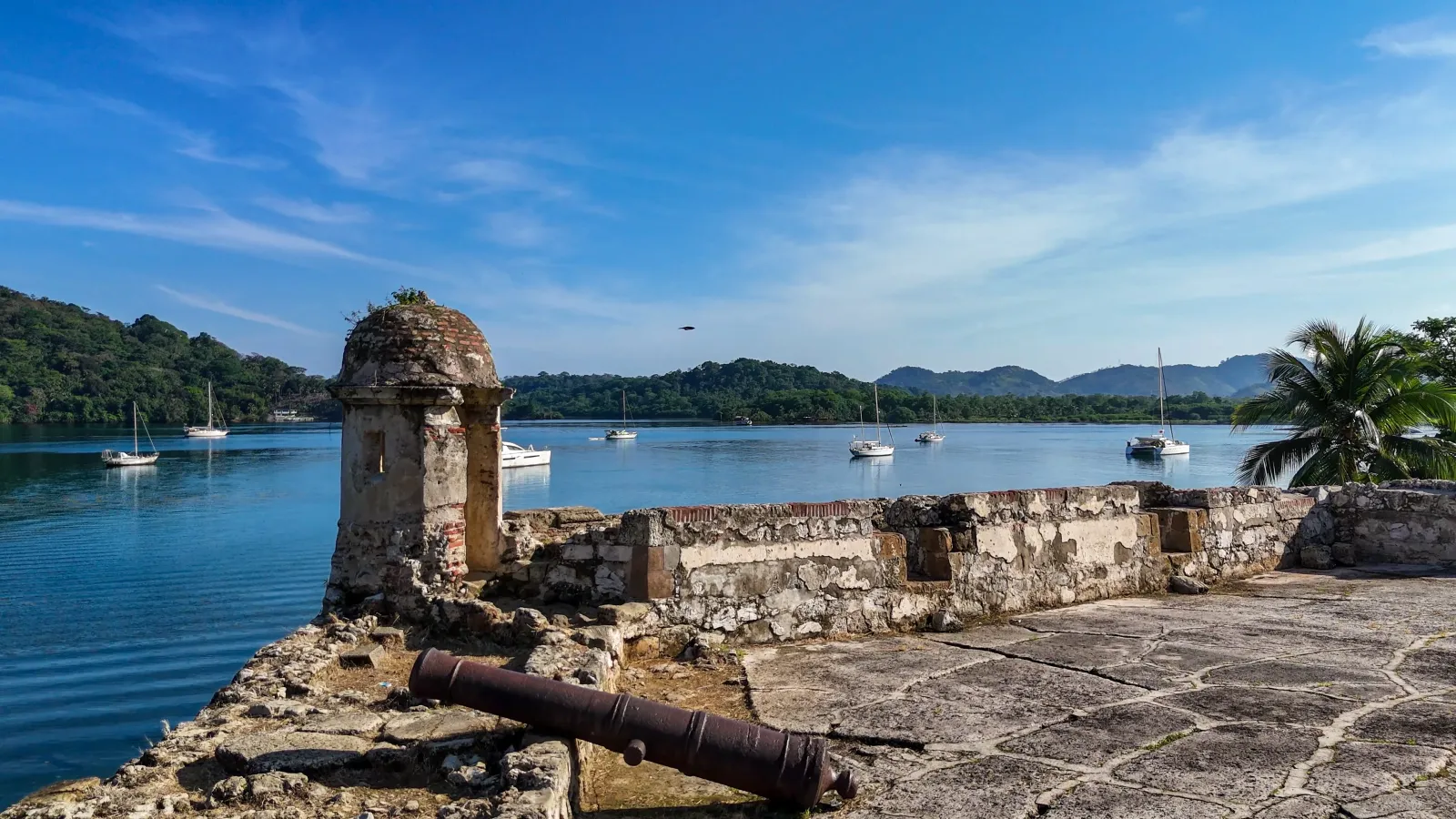
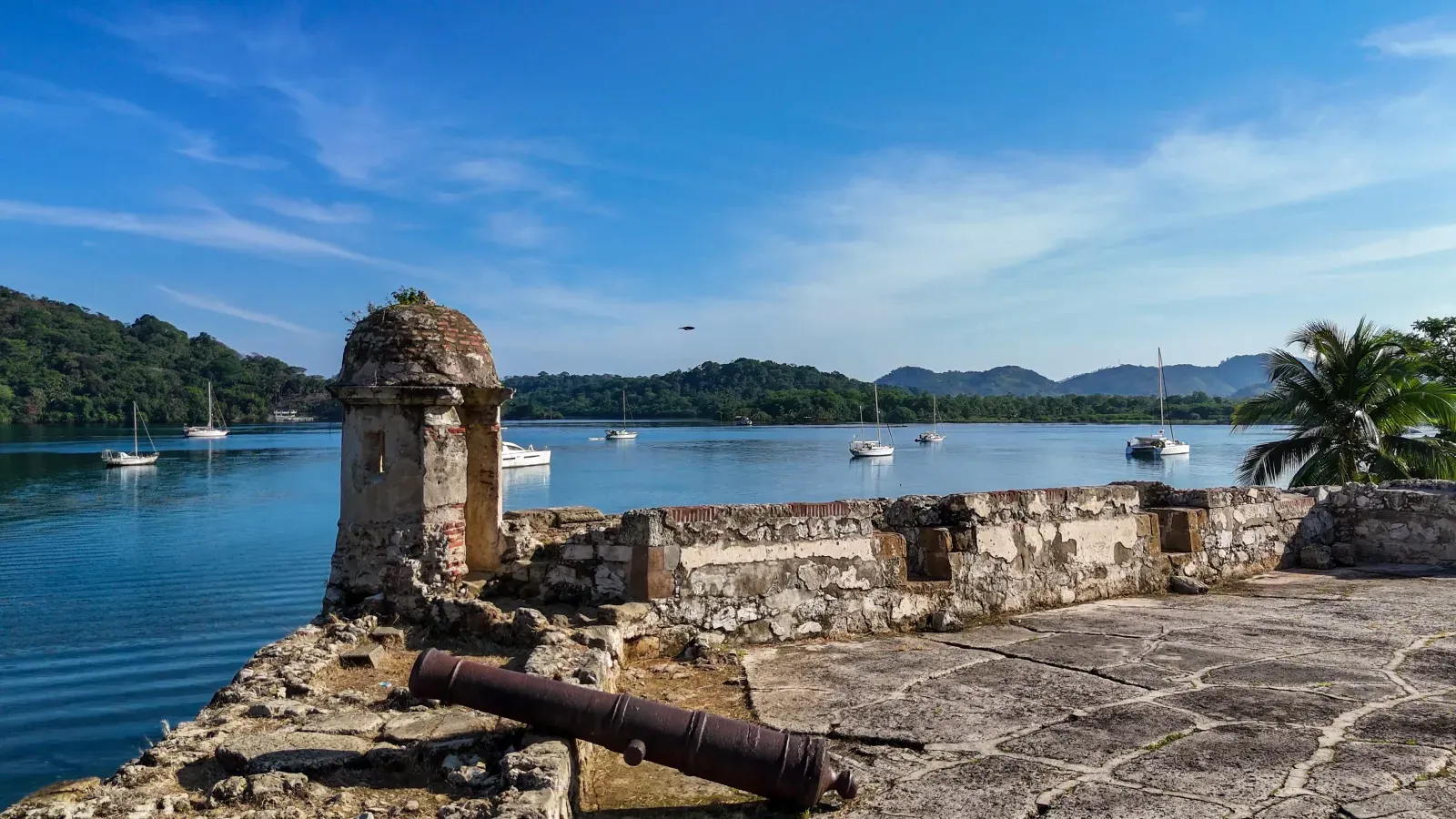
The history of Colón is tied to the routes that connected the Caribbean with the Pacific for centuries. In the early colonial years, Nombre de Dios served as the main port; in 1597, San Felipe de Portobelo was founded to replace it, and its famous fairs gathered goods and merchants from the Americas and Europe. The system depended on the Camino Real and the Chagres River route, protected by fortifications at Portobelo and at the mouth of the Chagres, where San Lorenzo Castle stands. Together they are now a World Heritage site. The colonial period also left a profound African heritage: the histories of resistance and freedom among the descendants of enslaved Africans form part of the background of Congo culture, still alive in the communities of Costa Arriba and Costa Abajo. In the nineteenth century, the Panama Railroad drove the development of the city of Colón, formally founded in 1852, and attracted West Indian migrants whose influence became fundamental to the region's identity. Canal construction transformed the landscape again with the Gatun Dam and Gatun Lake, and its opening in 1914 consolidated the province's strategic position. In 1948, the Colón Free Zone was created, reinforcing its role as an international commercial and logistics center.