History
The route leading to Tortuguilla Beach did not begin as a recreational trail. It has been identified as a former secondary military road connected to the network of routes that crossed the strategically important territory of San Lorenzo.
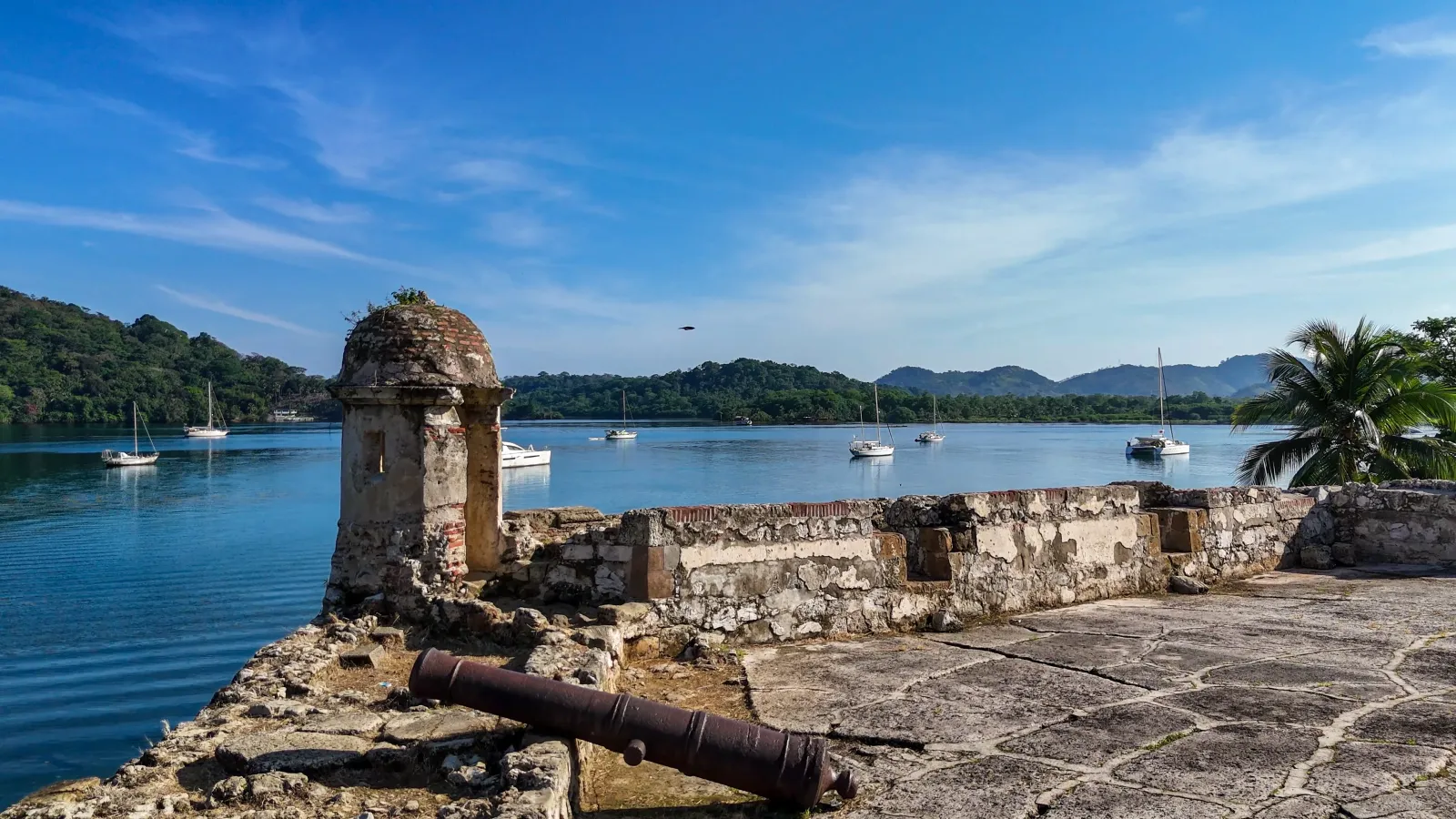
This relationship with military infrastructure distinguishes Tortuguilla from other beaches in Colón. The trail belongs to a landscape historically associated with the mouth of the Chagres River, the defenses of San Lorenzo Castle, and the later military facilities established around Fort Sherman. The beach is not part of the castle ruins, although both places share the same historical and natural territory.
The San Lorenzo protected area was established through Law 21 of December 2, 1997. Over time, the former road became part of the public trail network. Later projects rehabilitated the route, installed signs, and created spaces where visitors could rest.
The history of Tortuguilla Beach is found less in monuments built on the sand and more in the transformation of an old military road into a route dedicated to recreation, interpretation, and conservation.
Culture
The cultural dimension of Tortuguilla Beach emerges along the trail. Walking along a former military road within San Lorenzo reveals that this coastline has not served only as a natural setting. It was also part of a territory organized around the control of roads, shores, and access routes near the mouth of the Chagres River.
Today, the route serves a different purpose. A road once shaped by military needs now guides visitors toward a beach intended for low-impact recreation. This transformation connects the territory's historical memory with a contemporary approach based on interpretation, conservation, and respect for the protected area.
No permanent community, independent festival, local cuisine, or separate cultural tradition has been verified specifically for Tortuguilla Beach. Its cultural value is best understood through its documented relationship with the historic San Lorenzo landscape, without assigning to it traditions belonging to other communities along Colón's Costa Abajo.
Climate
Tortuguilla Beach lies on Colón's Caribbean coast within a warm, humid, and forested environment. Shade covers much of the trail, although humidity can make the walk feel more demanding. Rain may also leave wet surfaces, mud, or small water crossings along the route.
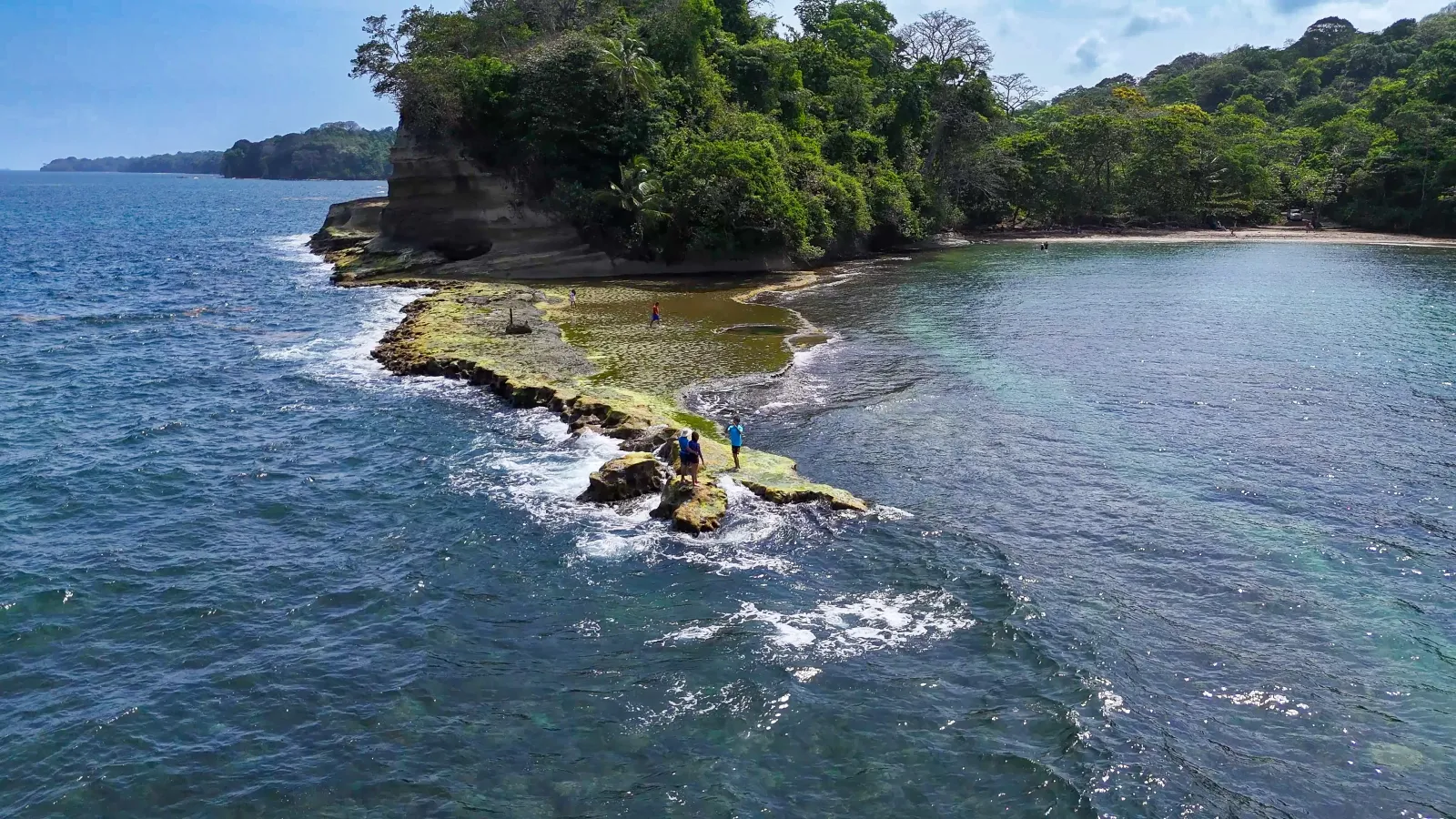
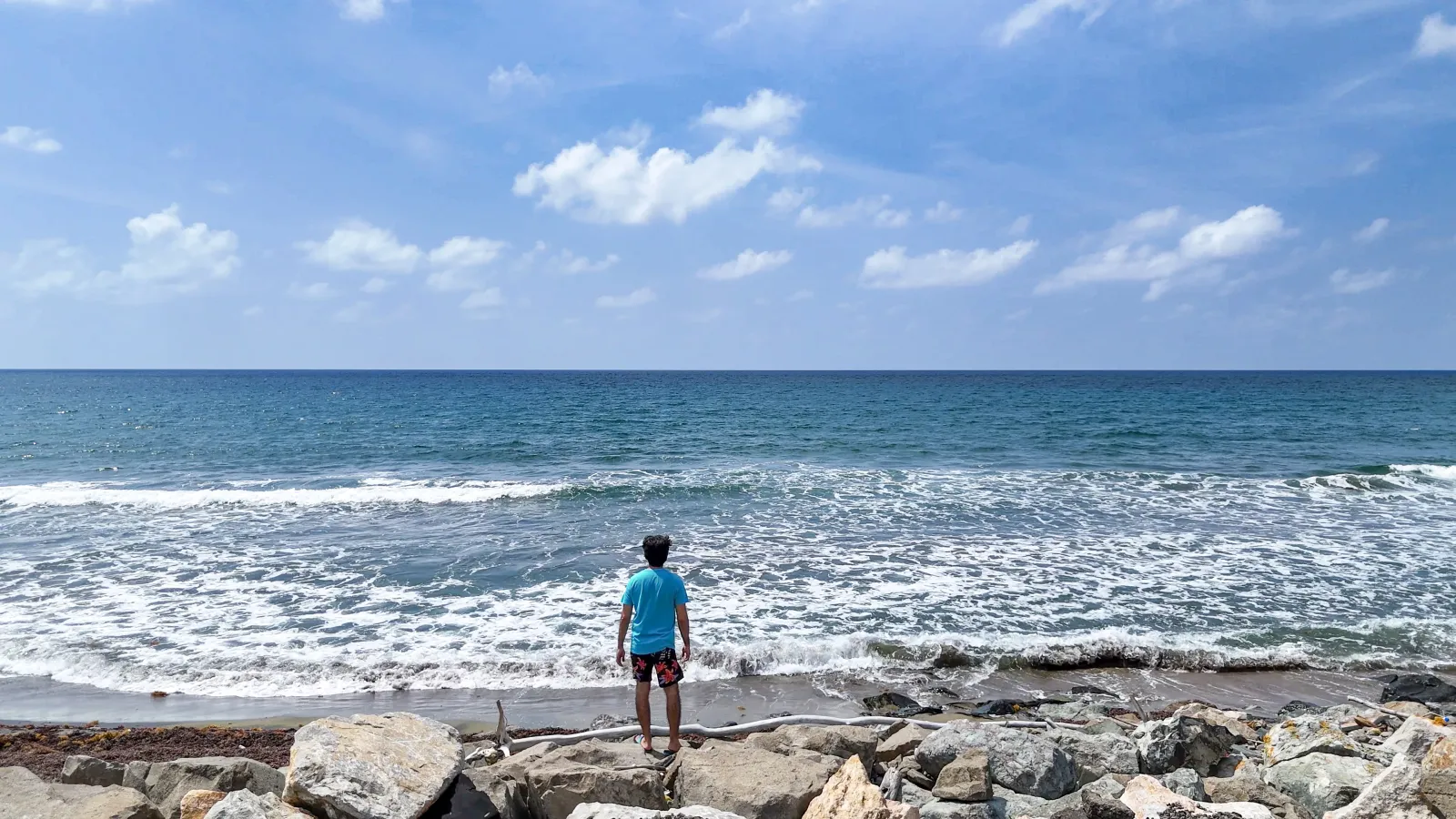
Conditions at the shoreline change with wind, rainfall, and waves. The risk of immersion has been identified in the area's public-use guidelines, so visitors must follow signs and remain within authorized areas for recreational water activities.
The area receives visitors throughout the year, but this does not mean that swimming conditions are suitable every day. When the sea is rough, storms are present, or park rangers restrict water access, the beach should be enjoyed from the shore.
Area and surroundings
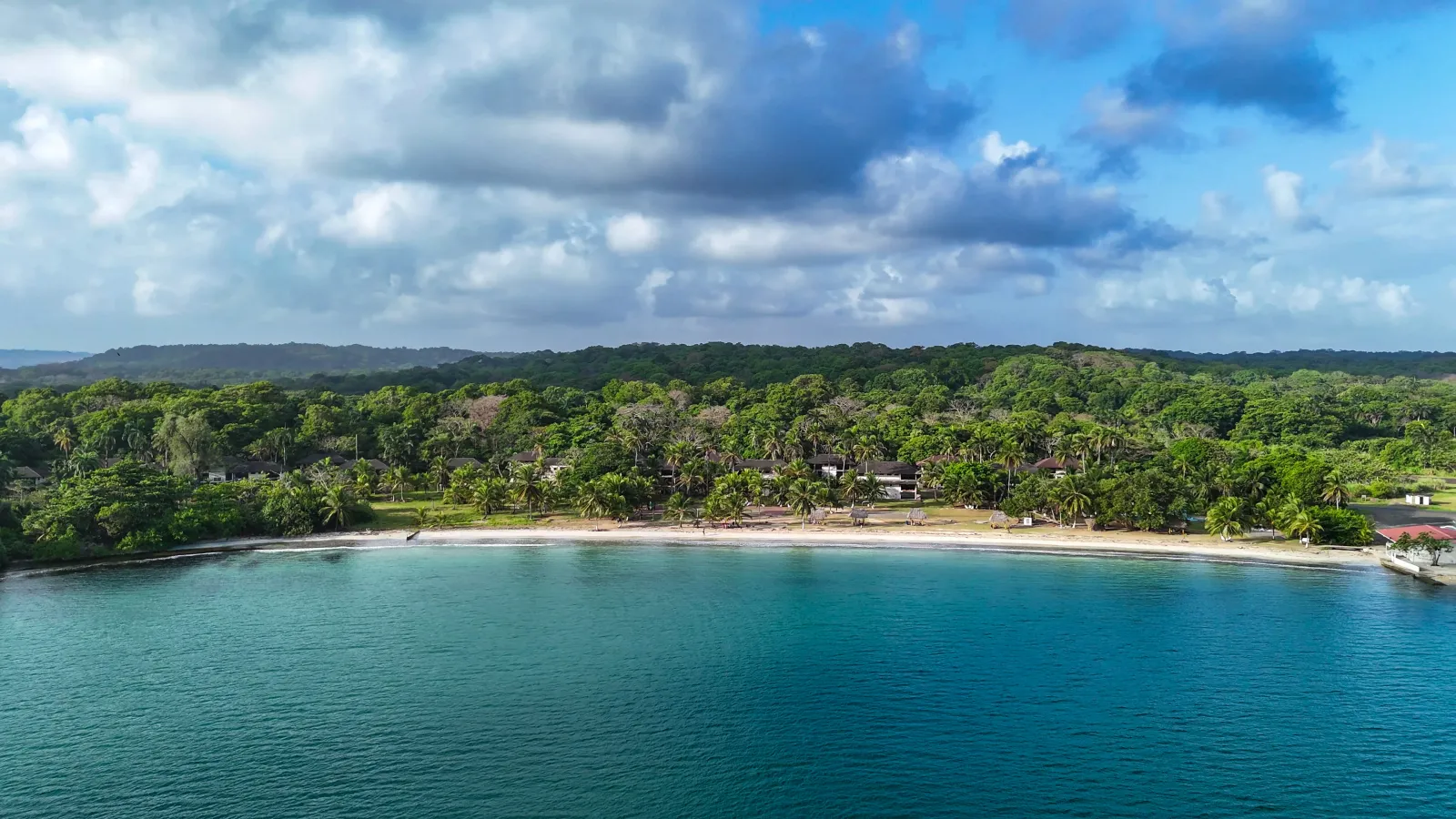
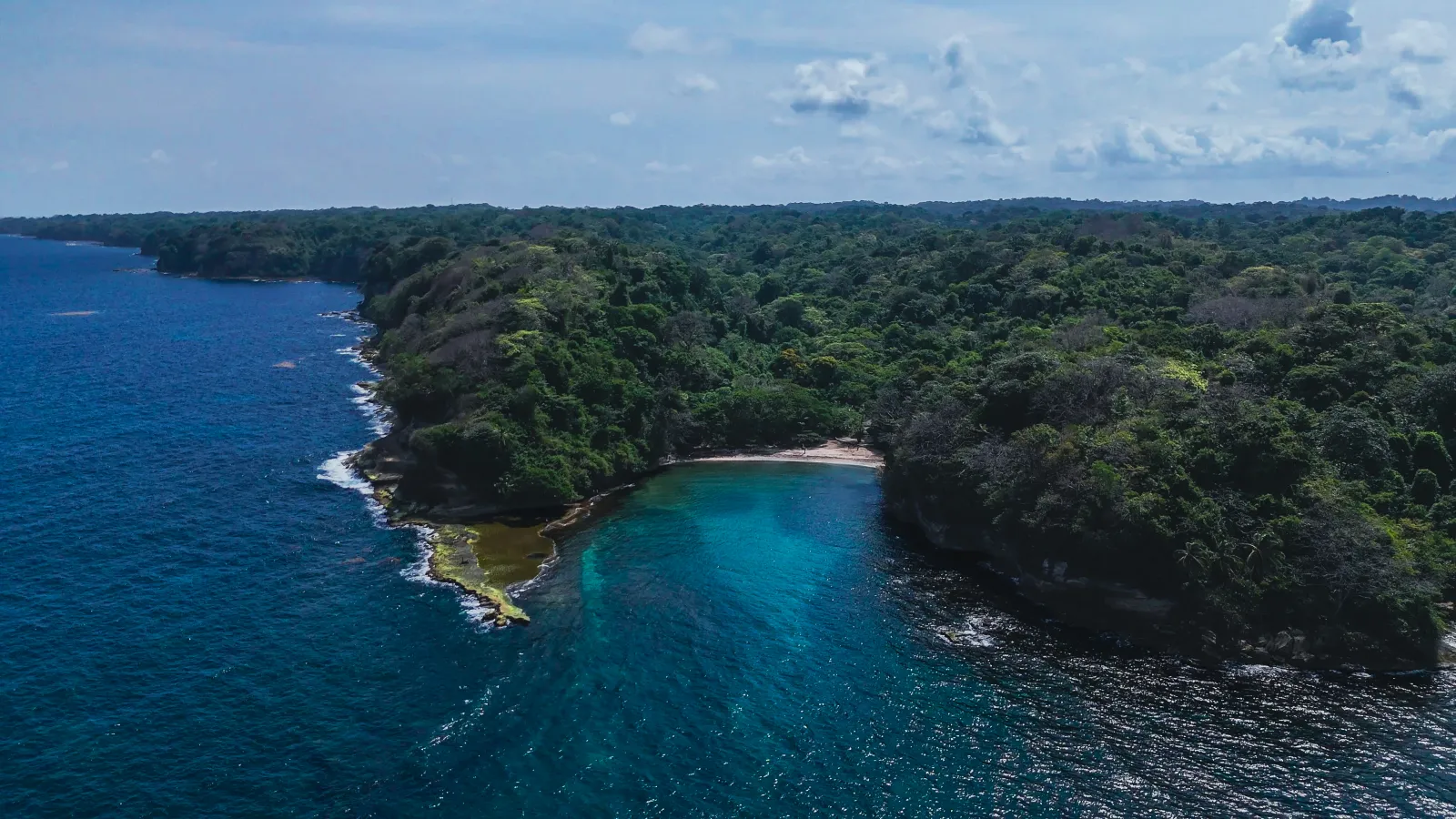
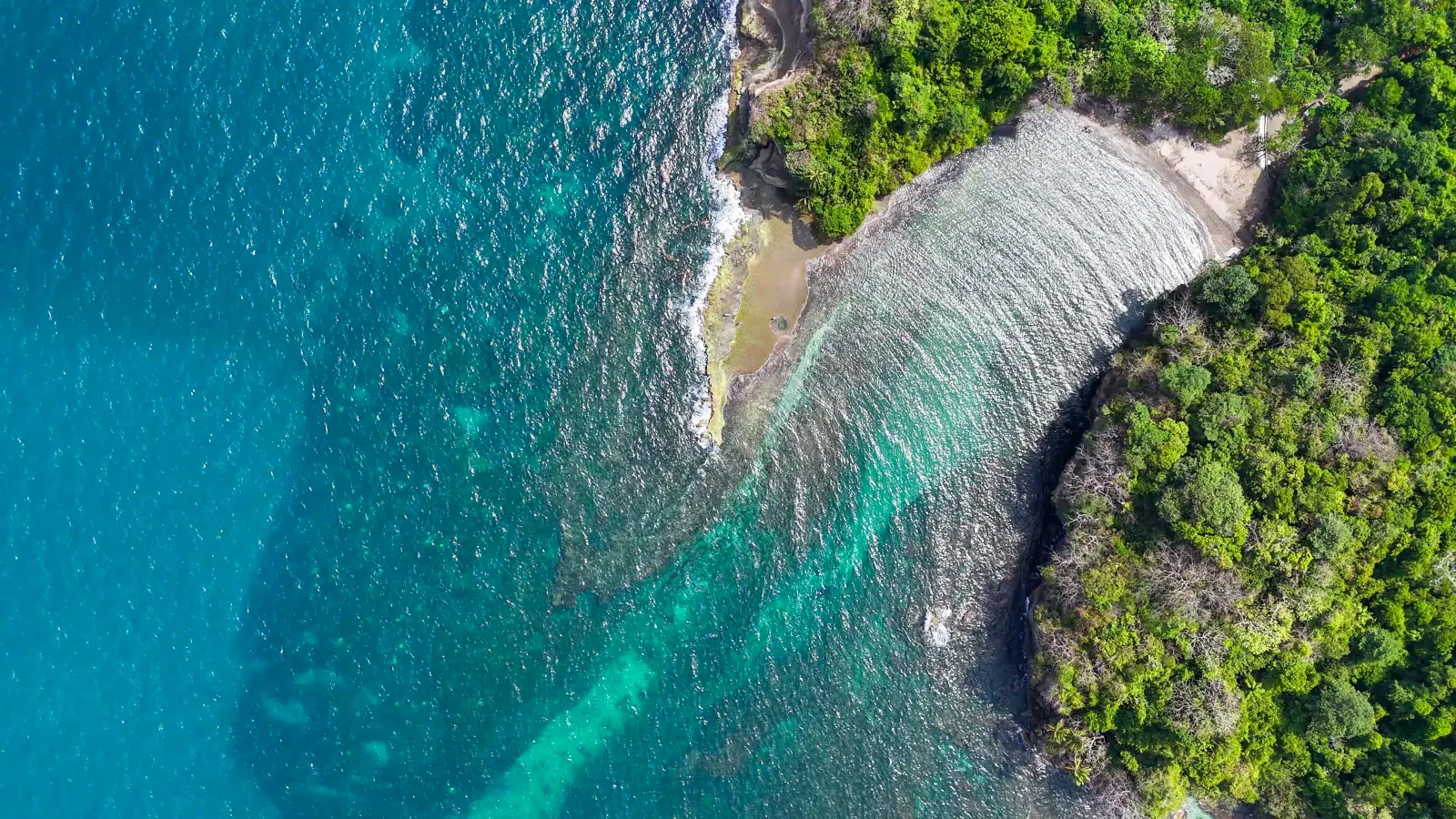
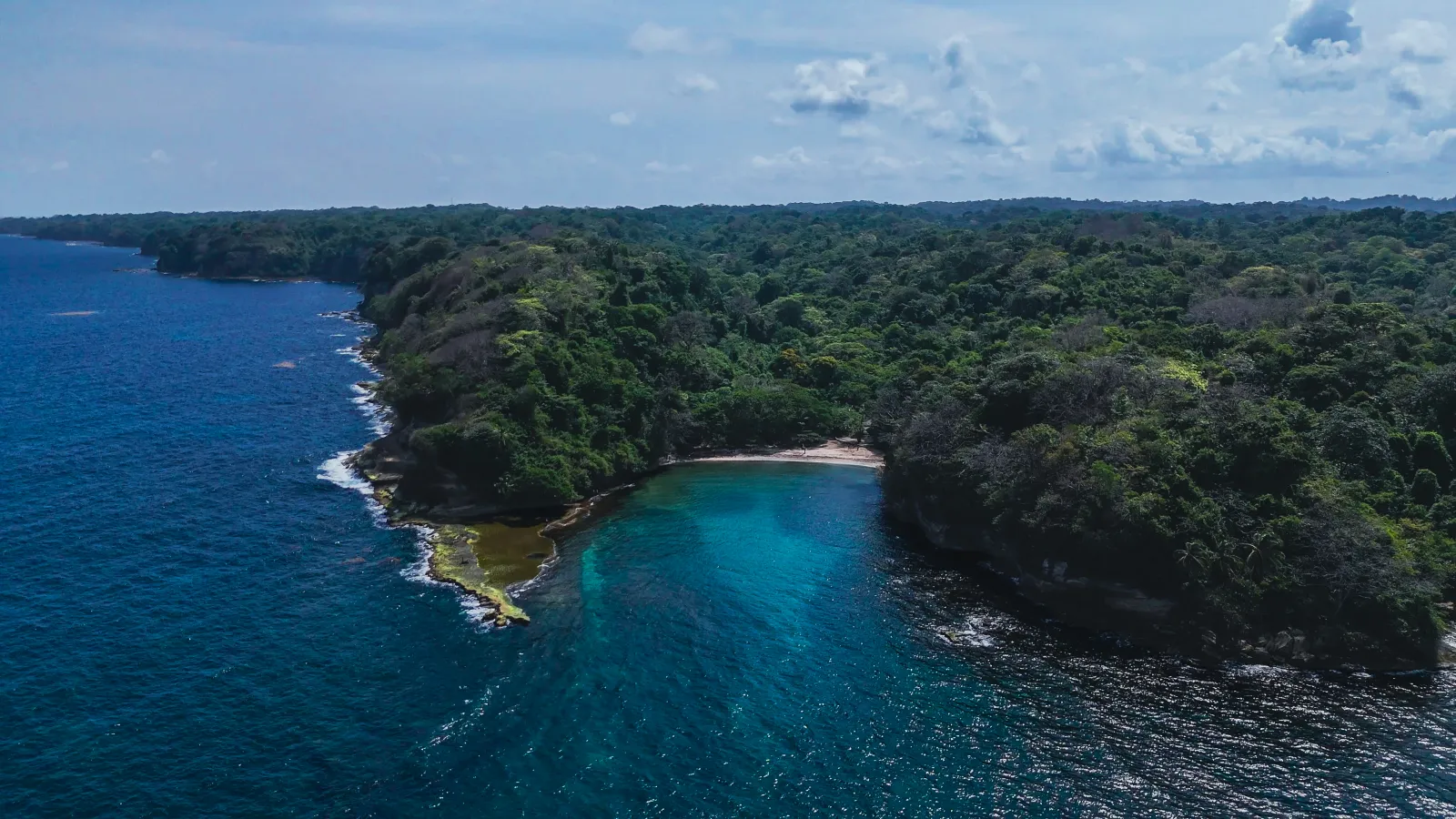
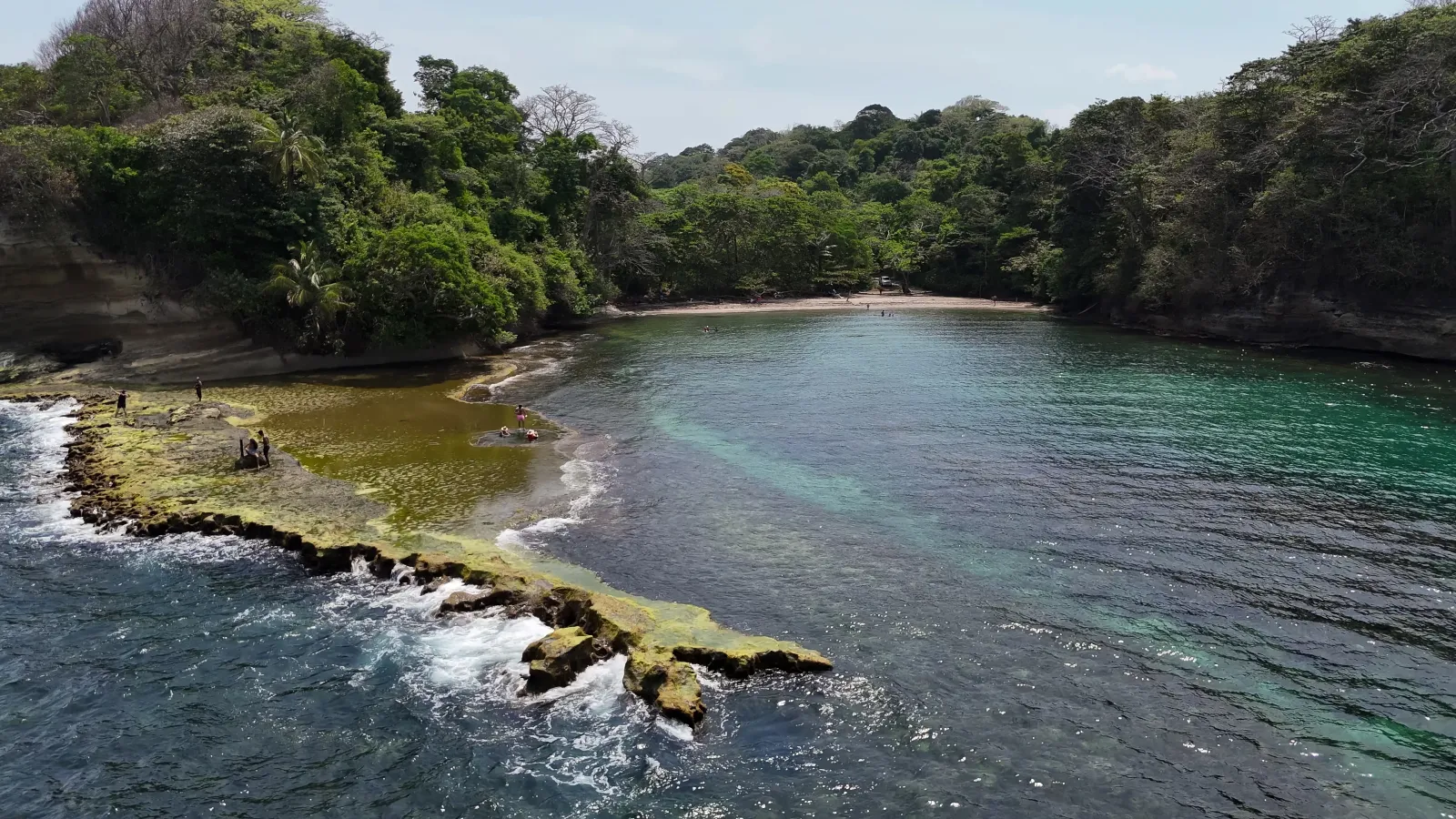
Tortuguilla Beach lies within the San Lorenzo protected area, in the district of Colón and corregimiento of Cristóbal. The site consists of two main spaces: the forest access trail and the recreational shoreline area.
The trail measures approximately 1.5 kilometers each way. It begins beside the internal road crossing the protected area and descends relatively gently toward the coast. A small watercourse runs alongside part of the route. At the end, the trail reaches an open resting area and the beach.
The site has shelters and picnic areas, but the permanent availability of restrooms, drinking water, food sales, lifeguards, or other services has not been confirmed. Visitors should prepare for a natural setting with limited infrastructure.
Nature
Tortuguilla brings together several connected environments along a relatively short route: tropical forest, a small watercourse, and the Caribbean coast. The trail shows how dense vegetation gradually opens as it approaches the sea. This transition creates opportunities to observe plants, birds, and other wildlife, although no sighting can be guaranteed.
The beach serves as a recreational site within a protected area, not as a place for extracting natural resources. Swimming or using a mask to observe underwater life does not authorize the capture of fish, crustaceans, or any other organism.
Cleanup campaigns at the site have documented plastics, glass, metals, and other waste reaching or accumulating on the beach. Even though the landscape retains a natural appearance, it remains vulnerable to litter left by visitors or carried by currents. Taking everything used during the visit back out is a direct way to protect the connection between the forest, water, and sea.
 Colón
Colón