History
Portobelo was founded as San Felipe de Portobelo in 1597, within a bay whose sheltered waters and position supported the routes crossing the Isthmus of Panama. Its establishment was intended to replace Nombre de Dios as the main Caribbean terminal of the colonial transportation system.
During the Spanish colonial period, the port became a crucial point in the movement of goods between the Americas and Europe. Merchandise brought across the isthmus from the Pacific passed through Portobelo, while its trade fairs drew merchants, officials, workers, sailors and travelers into an economic network with international reach.
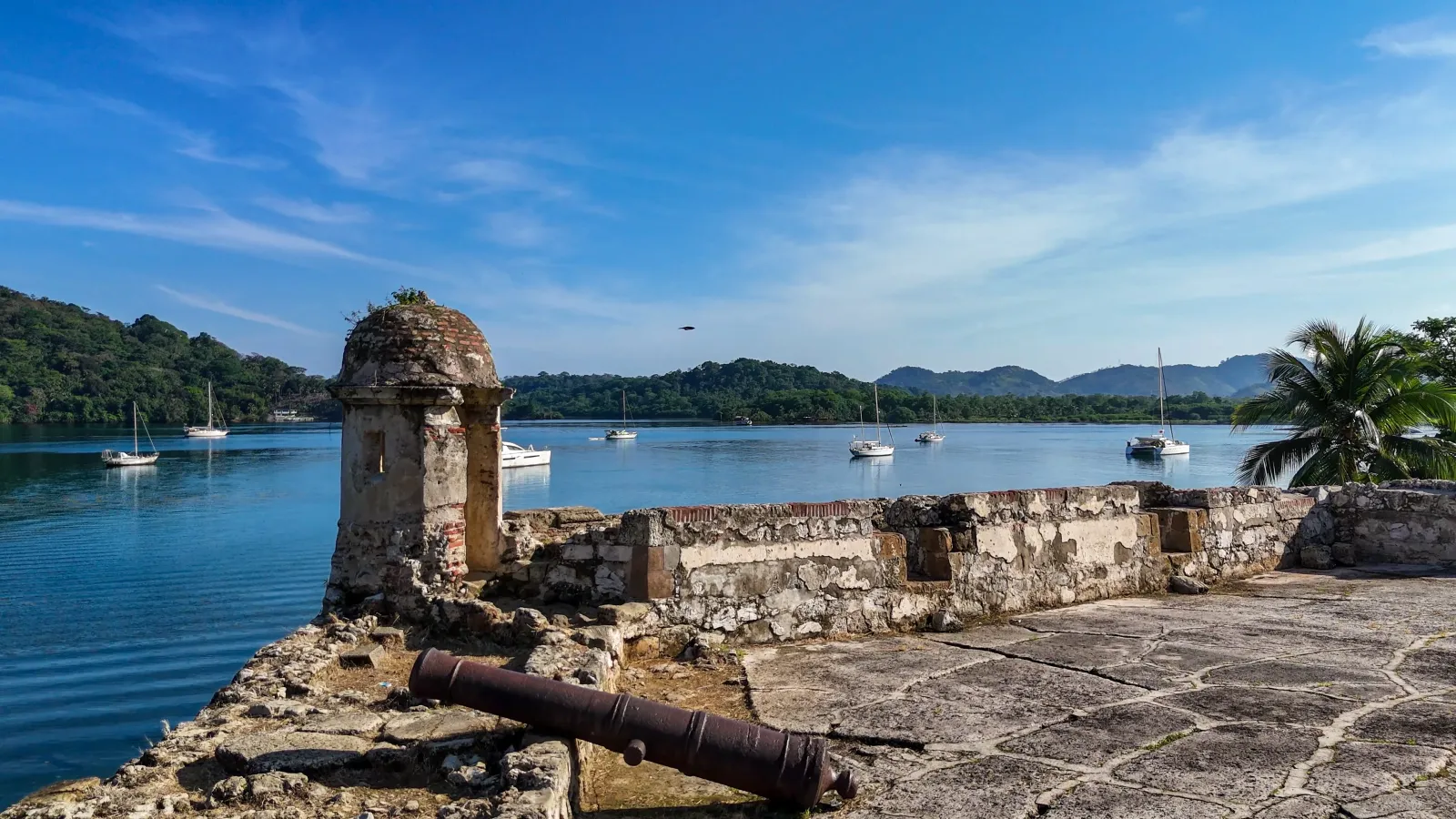
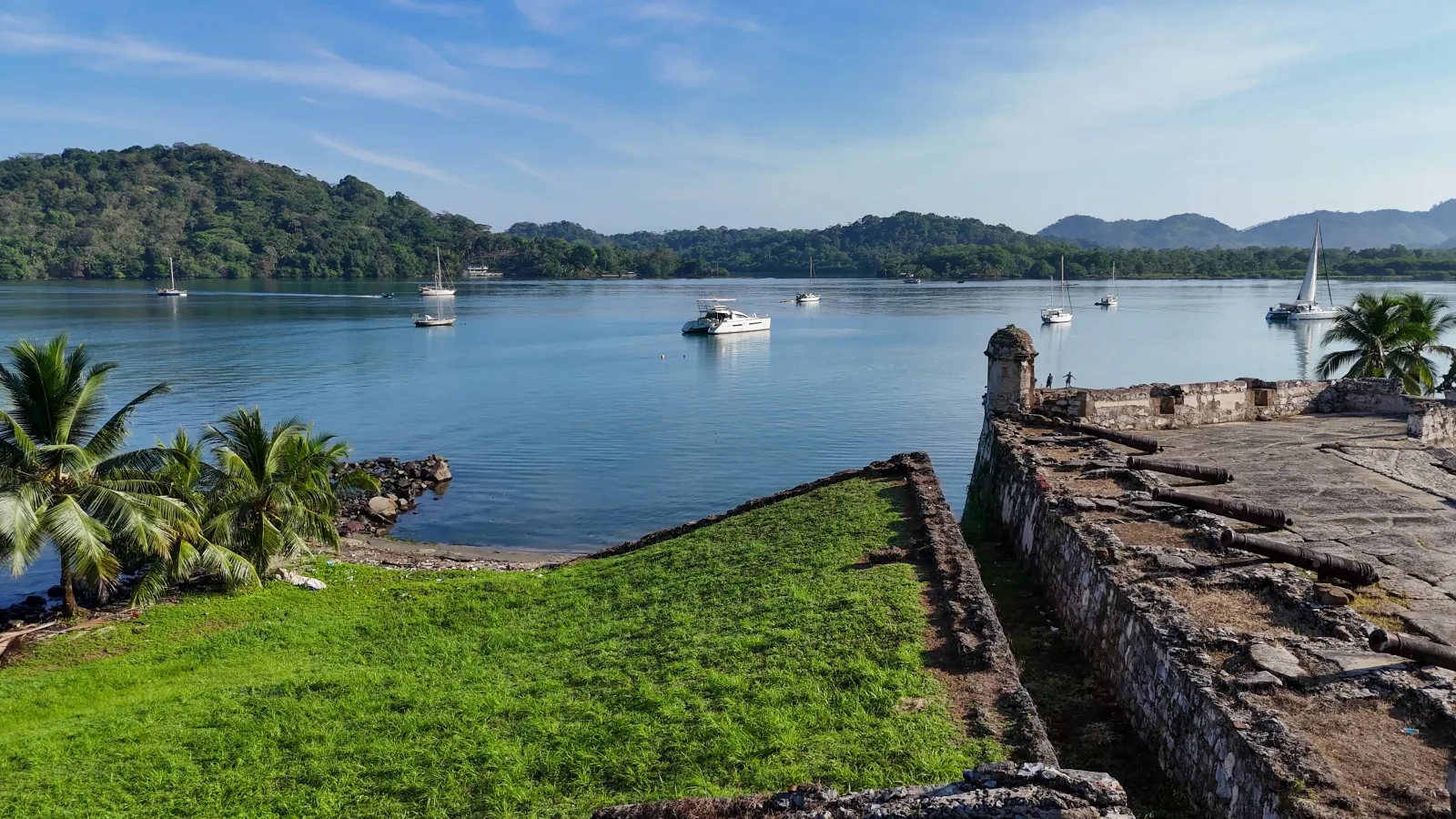
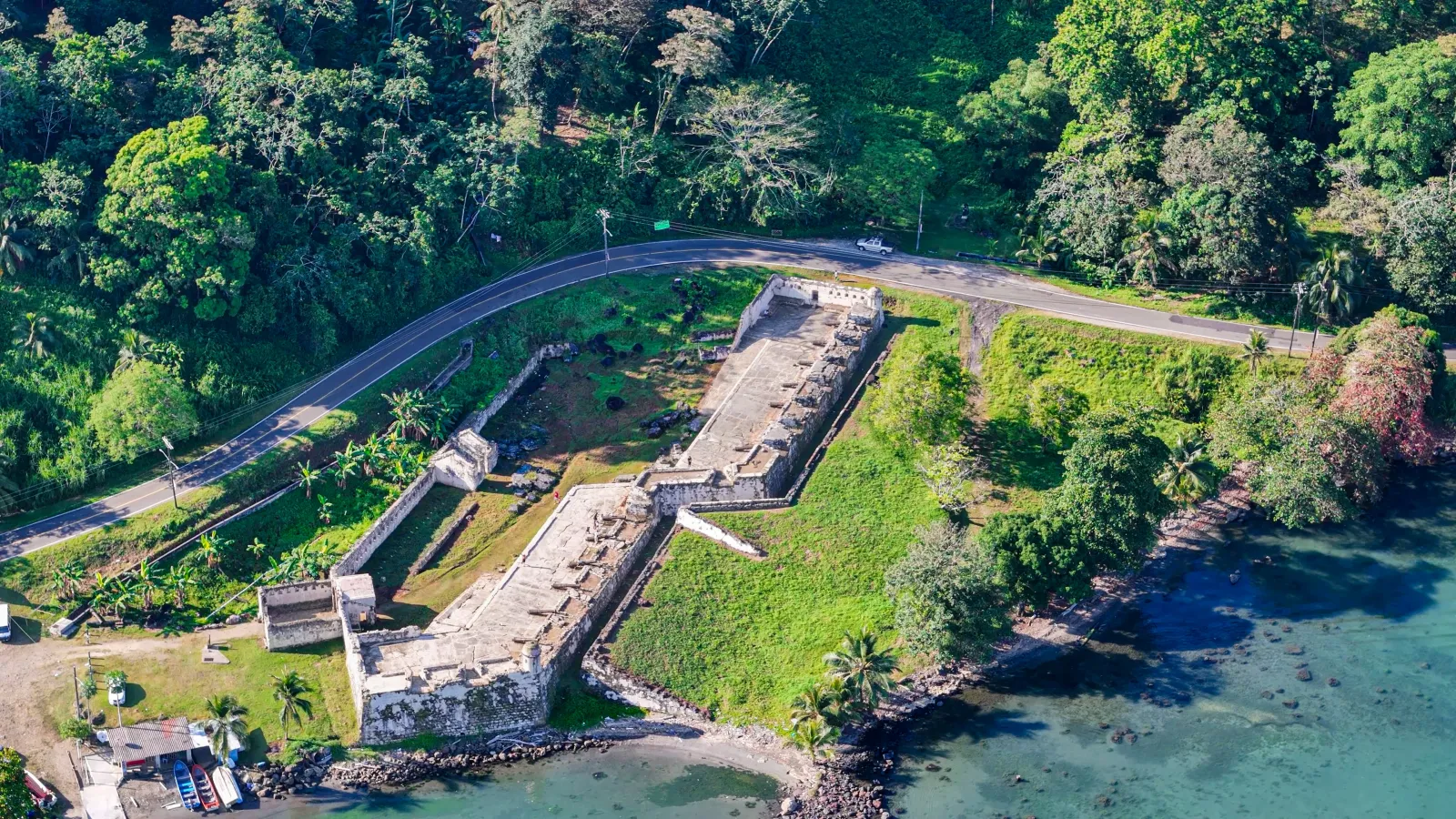
The importance of the harbor led to the construction of a defensive system adapted to the terrain, the bay and tropical conditions. The forts and batteries still visible today were built and altered over different periods to protect maritime access and the facilities associated with trans-isthmian trade.
This history is also tied to colonial exploitation, the enslavement of African people and the formation of Afro-descendant communities whose cultural expressions remain essential to understanding the identity of Portobelo and the province of Colón.
The fortifications of Portobelo, together with San Lorenzo Castle, were inscribed on the UNESCO World Heritage List in 1980. The property remains on the List of World Heritage in Danger, reflecting long-standing conservation challenges and the need for sustained restoration, maintenance and management.
Culture
Portobelo’s cultural identity has been shaped by Afro-descendant memory, religious devotion, artistic expression and daily life around the bay. Congo culture holds a central place within that identity and is expressed through music, singing, drumming, dance, theater, clothing and performances that carry stories of resistance, freedom and collective memory.
These expressions are not limited to festivals and should not be viewed as simple reenactments of the past. They form part of a living heritage shared by communities across different areas of Colón Province. In Portobelo, this heritage is present in festivals, community gatherings, artistic events and the transmission of knowledge between generations.
The Church of San Felipe is another essential landmark. It houses the Black Christ of Portobelo, the focus of one of Panama’s most widely recognized religious traditions. Every October 21, the celebration draws pilgrims and devotees, although visiting conditions may change during church restoration work and event preparations.
The main square, the Real Aduana, galleries, workshops and other spaces in the historic center also bring together artists, artisans, tradition bearers, residents and visitors. Experiencing Portobelo respectfully means recognizing that its celebrations and religious symbols belong first to the life of the community, rather than existing solely for tourism.
Climate
Portobelo’s environment is shaped by humidity, rainfall and its proximity to the Caribbean Sea. The sun can feel intense across open plazas, streets and fortifications, while sudden showers may quickly change the conditions of a walking tour.
Rain can make stonework, short paths and uneven monument surfaces slippery. It may also affect restoration work, temporary access routes and boat excursions. Visitors exploring the historic center should carry sun protection and a light rain layer even when the day begins with clear skies.
Portobelo can be visited throughout the year as a historical and cultural destination, but weather conditions influence the comfort of the visit and must be considered separately when planning boat trips, beach visits or open-water activities.
Area and surroundings
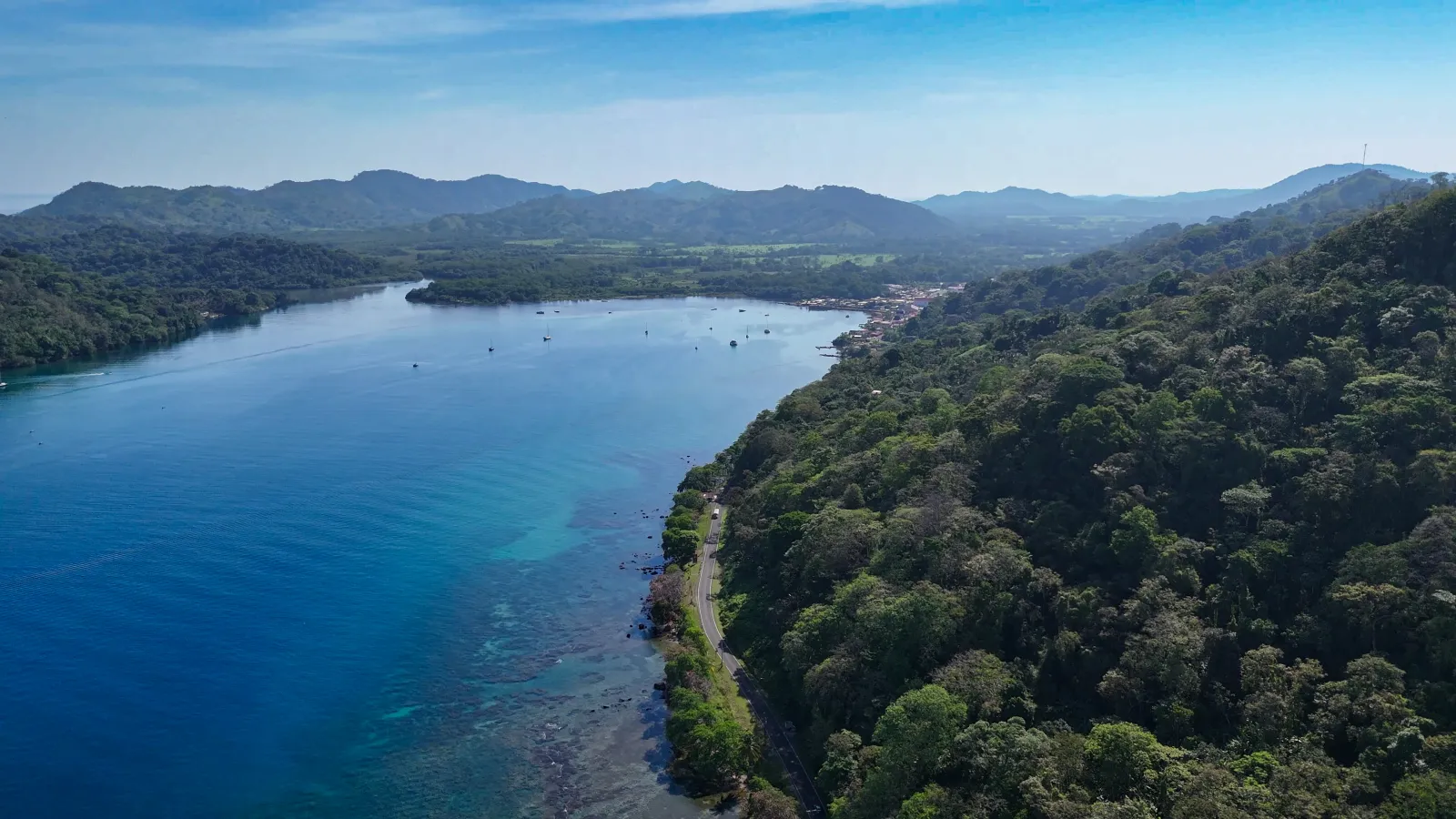
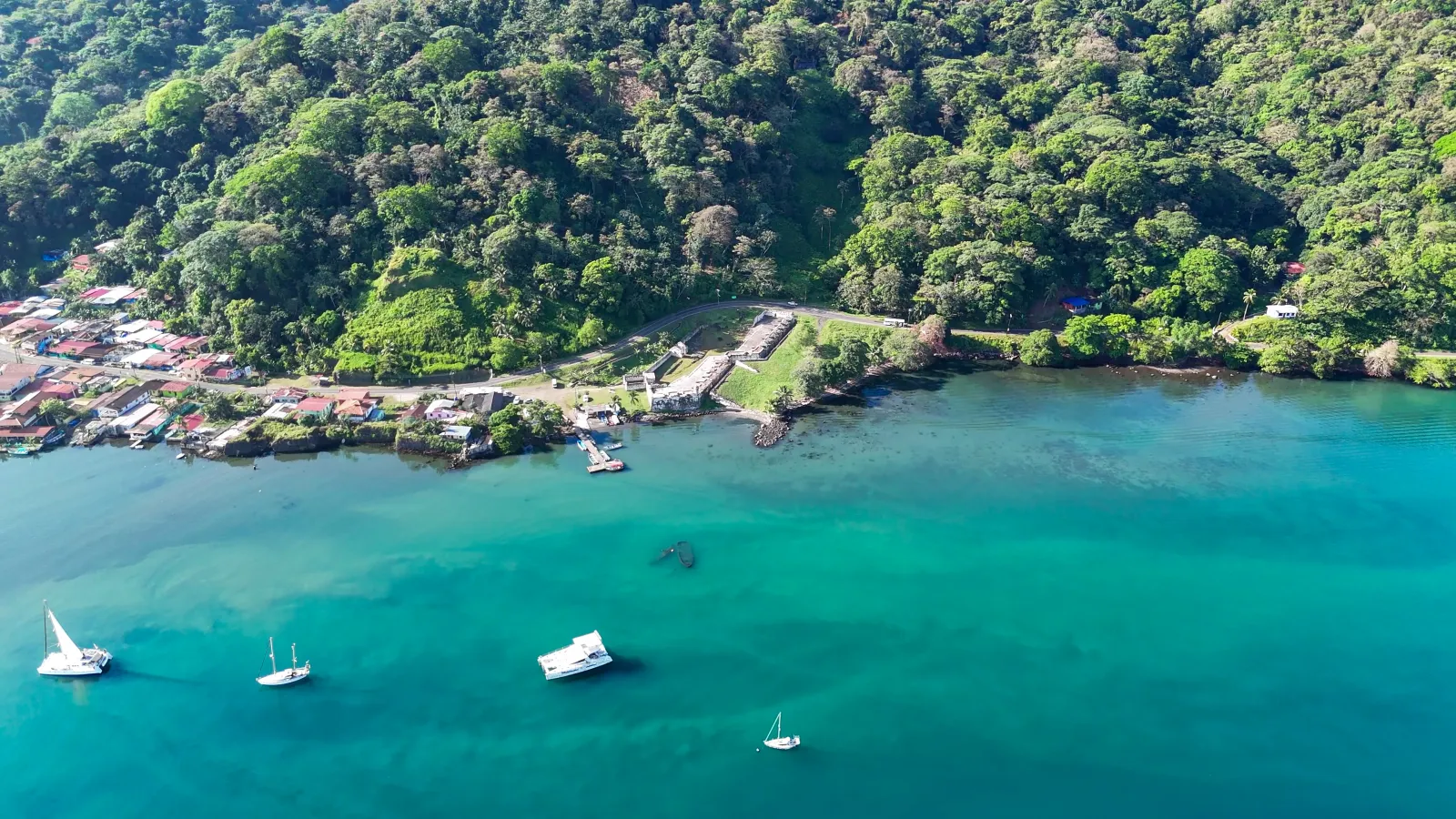
Portobelo is arranged around a deep bay enclosed by green hills. Its historic center brings together the main square, the Church of San Felipe, the Real Aduana, homes, small businesses and several of the town’s principal cultural spaces.
The fortifications occupy different positions around the bay. San Jerónimo Fort stands close to the center, while the Santiago and San Fernando complexes reflect other defensive points within the former port. These areas do not all form a continuous route, and access to some sections may be limited during restoration work.
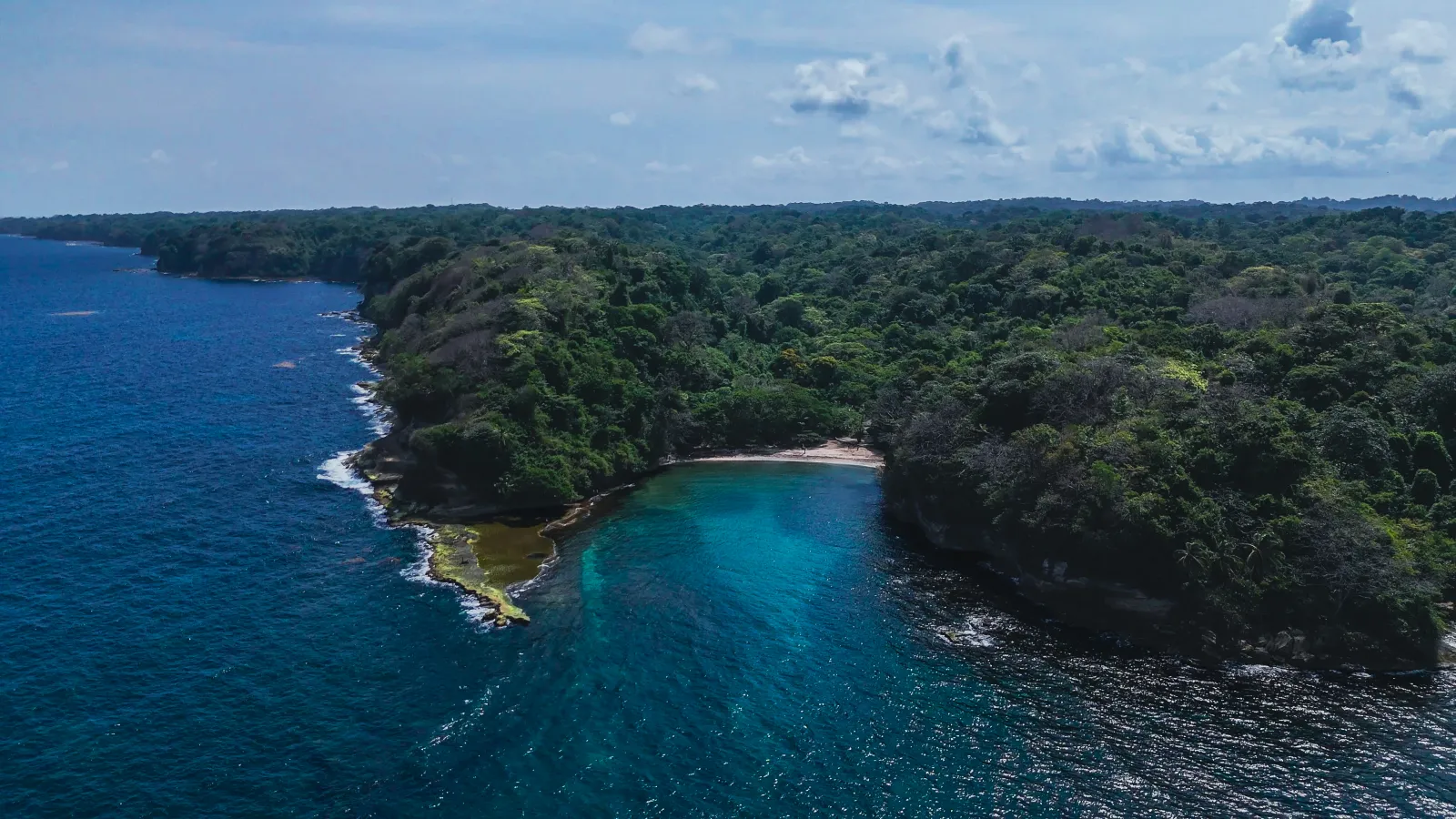
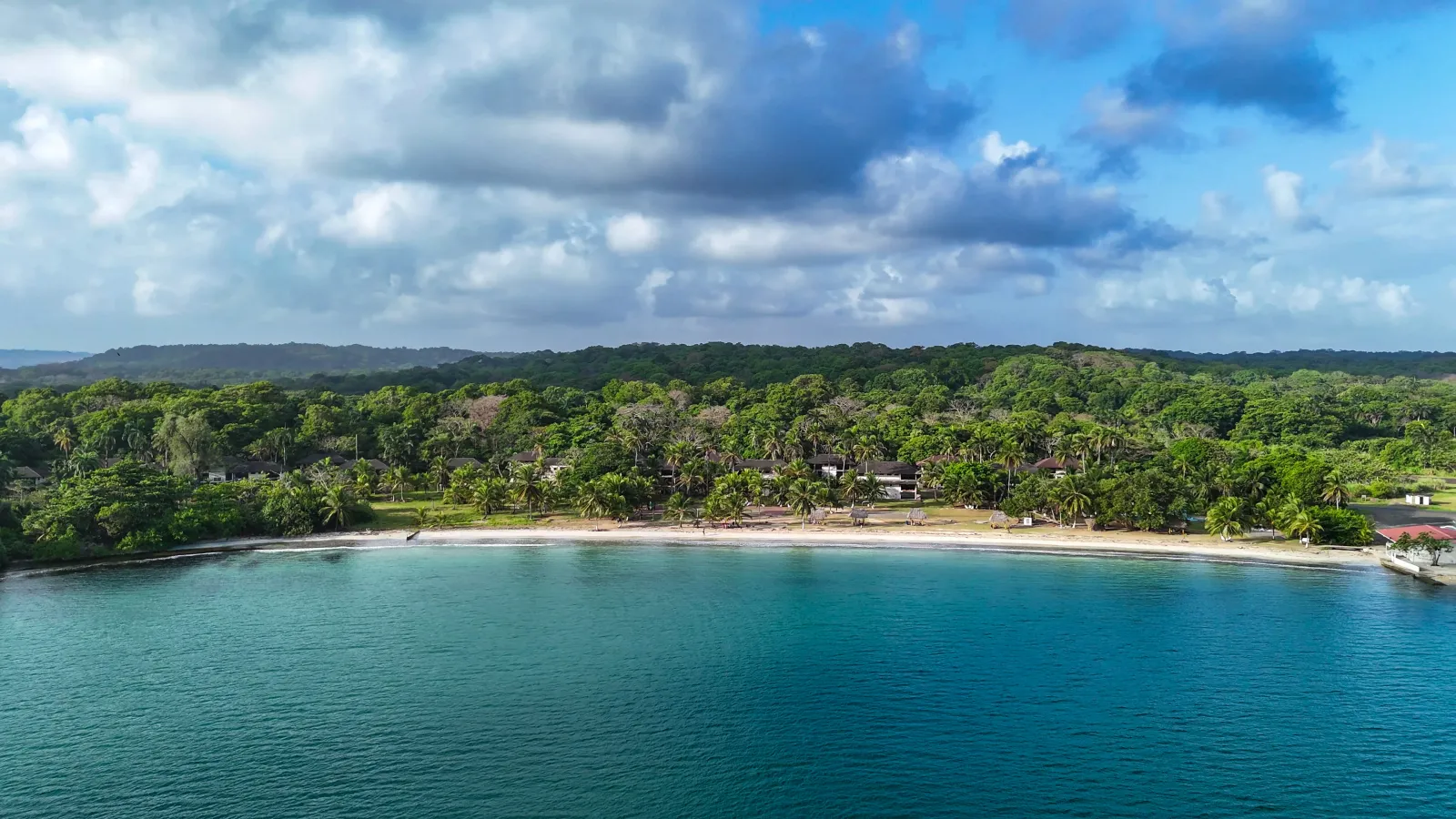
Beyond the town center are coastal areas, communities, forests and sectors belonging to the wider district and Portobelo National Park. These places are connected to the destination’s landscape, but they should not be confused with the historic town or automatically treated as part of the same visit.
Most services are concentrated within the populated area. Nearby beaches, islands and diving sites require separate transportation and arrangements, particularly when access is by boat.
Nature
The bay is the natural feature that gives Portobelo its form. Its sheltered waters explain why the site was selected as a port and help visitors understand the historical relationship between the settlement, maritime routes and the fortifications positioned along the coast.
Around the town, forested hills create a constant contrast with stone walls, plazas and historic buildings. This close connection between forest, coastline and heritage distinguishes Portobelo’s landscape and shows how geography influenced both colonial defense and present-day life beside the sea.
Portobelo National Park protects terrestrial and marine ecosystems in the surrounding region, but it is separate from the town itself. Wildlife, plants and ecosystems documented within the park should not automatically be attributed to the historic center. Nature outings, diving, snorkeling and boat trips take place in specific areas, and wildlife sightings are never guaranteed.
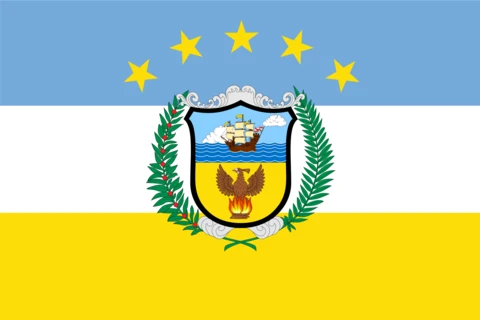 Colón
Colón