History
The history of Isla Otoque began long before its incorporation into Panama’s modern administrative structure. Research from the International Maritime University of Panama describes the island as a territory originally inhabited by Indigenous groups and explains that its present-day population is divided between Otoque Oriente and Otoque Occidente.
Over time, both communities developed an economic and cultural relationship shaped by fishing and subsistence agriculture. Their location in separate sectors of the island resulted in two distinct corregimientos, although both share the same island territory and a longstanding dependence on the sea.
For years, marine excursions and sport fishing reached the area without necessarily involving island residents directly. A biological study conducted between 2016 and 2018 specifically proposed using knowledge of the coastal ecosystems as a foundation for community economic projects connected with ecotourism and responsible fishing.
In June 2022, a locally driven initiative from Otoque Occidente began receiving visitors. The project was created to support the local economy through sustainable, community-based tourism and was later recognized through the Empreturismo program. This stage represents an important change: Otoque is no longer merely a stop on a boat route, but a community beginning to shape and share its own tourism experience.
Culture
Otoque’s culture is closely connected with the sea. Artisanal and subsistence fishing is more than an economic activity: it shapes daily routines, knowledge, food and the way residents relate to the surrounding waters. Subsistence agriculture is also a documented part of local life.
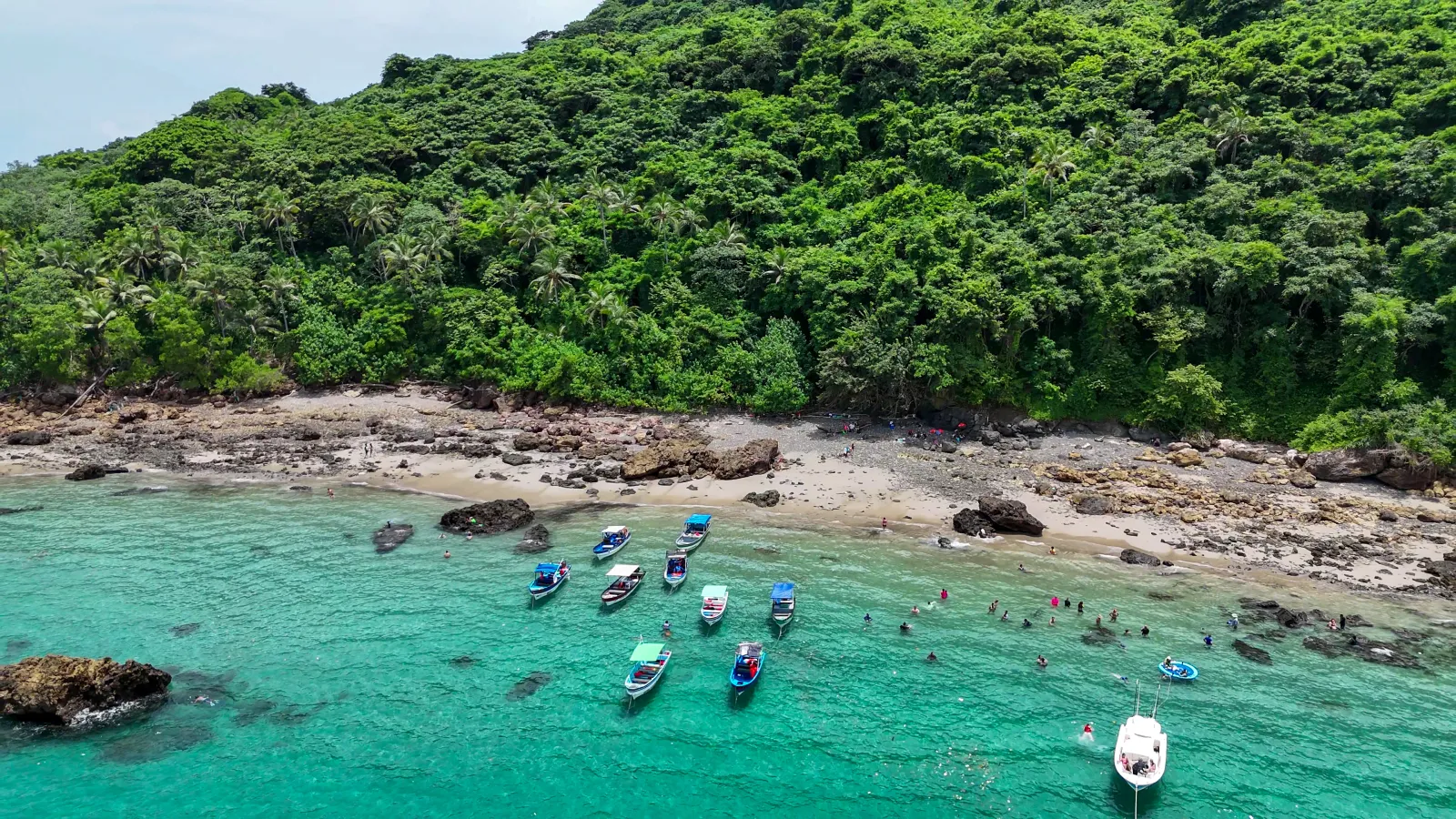
On some day trips, contact with the community includes a locally prepared meal, guided activities and time spent on Otoque. These experiences allow part of the tourism income to remain on the island while residents participate as hosts, guides and service providers. Isla Otoque Eco Tours describes itself as a local initiative connecting nature, culture and community life.
A visit should be understood as a respectful entrance into an inhabited place. Homes, docks, boats and working areas are not tourist scenery. Greeting residents, following the guide’s instructions, asking permission before photographing people and purchasing locally offered services are simple ways to recognize the community that makes the experience possible.
Climate
On Otoque, sea conditions matter as much as the appearance of the sky. Wind, waves, tides and rainfall can affect the comfort of the crossing, the landing point and the planned activities. Clear weather does not necessarily mean calm water, so the final decision to depart or modify the route rests with the operator and captain.
From July through October, larger numbers of humpback whales from the South Pacific reach Panama’s Pacific waters. During these months, several operators include whale watching in routes covering Otoque, Boná and Estivá. The season increases the possibility of sightings but never guarantees an encounter.
Outside whale season, day trips focused on beaches, snorkeling, birdwatching and community experiences are also offered. Operations still depend on weather, sea conditions, provider availability and any required minimum group size
Area and surroundings
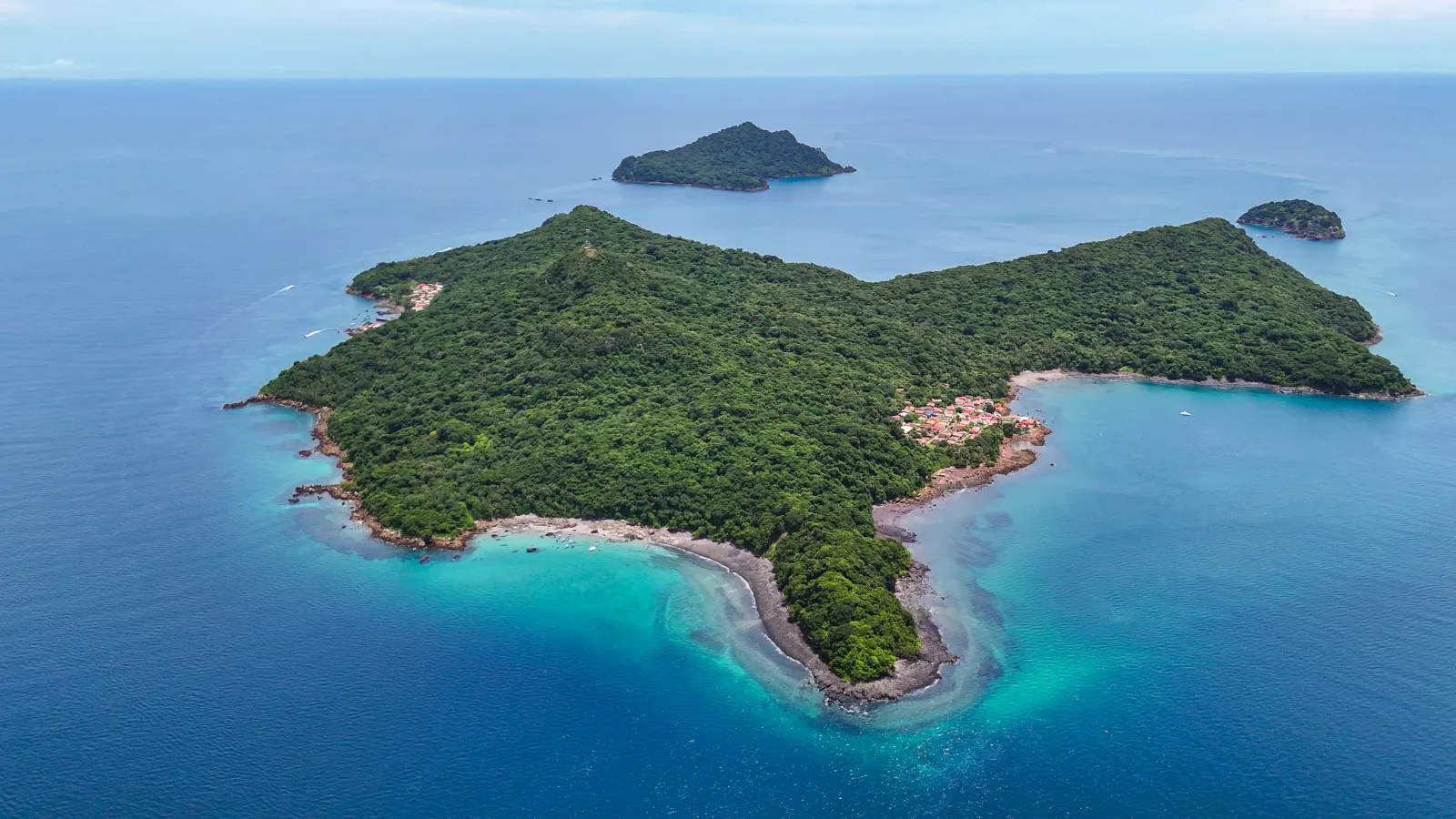
Isla Otoque lies within the Gulf of Panama and belongs to the district of Taboga in Panamá Province. Its population is organized into two communities located in separate sectors: Otoque Oriente and Otoque Occidente. Both are part of the same island, but they may have different landing points, beaches and visitor arrangements.
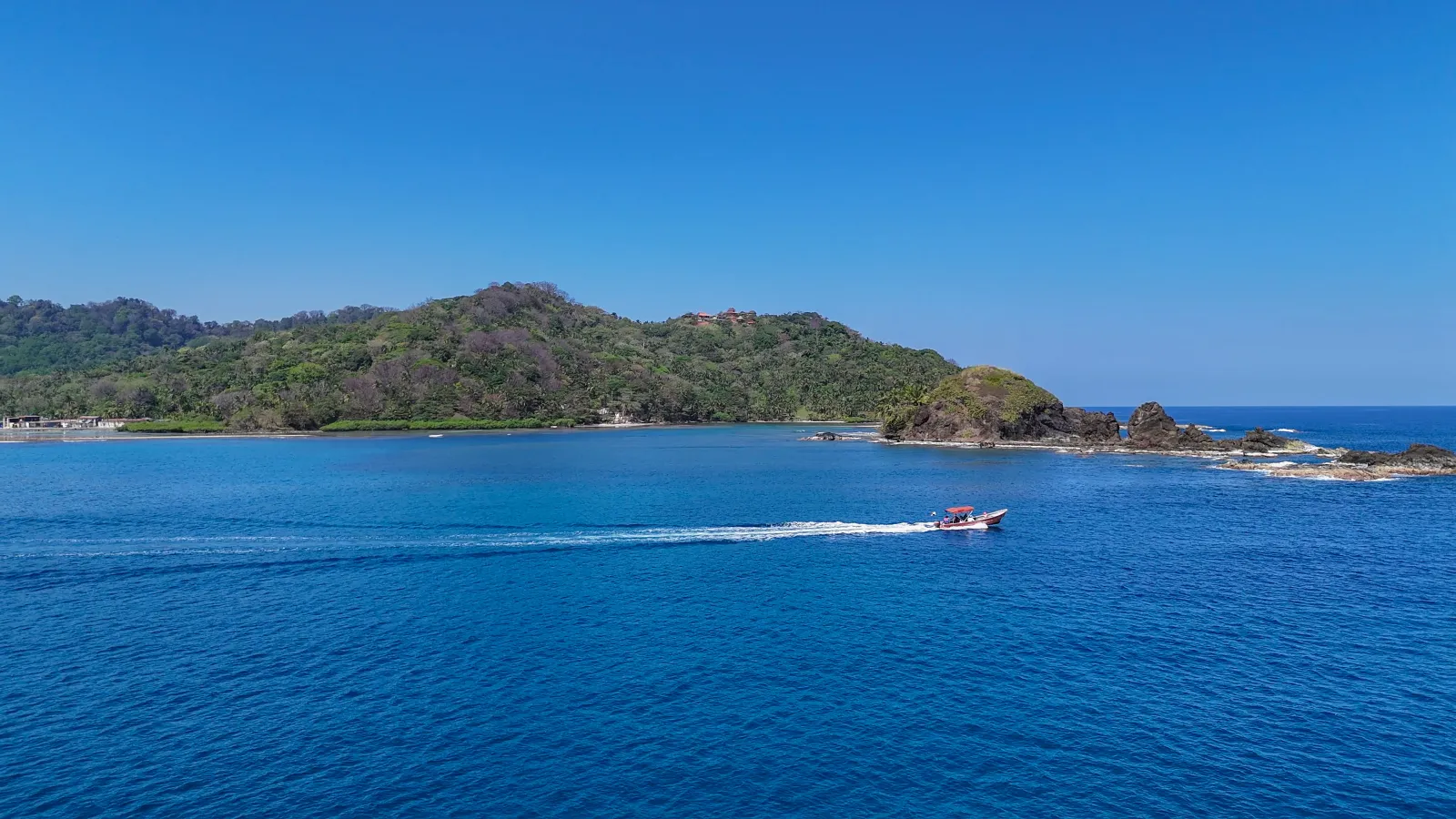
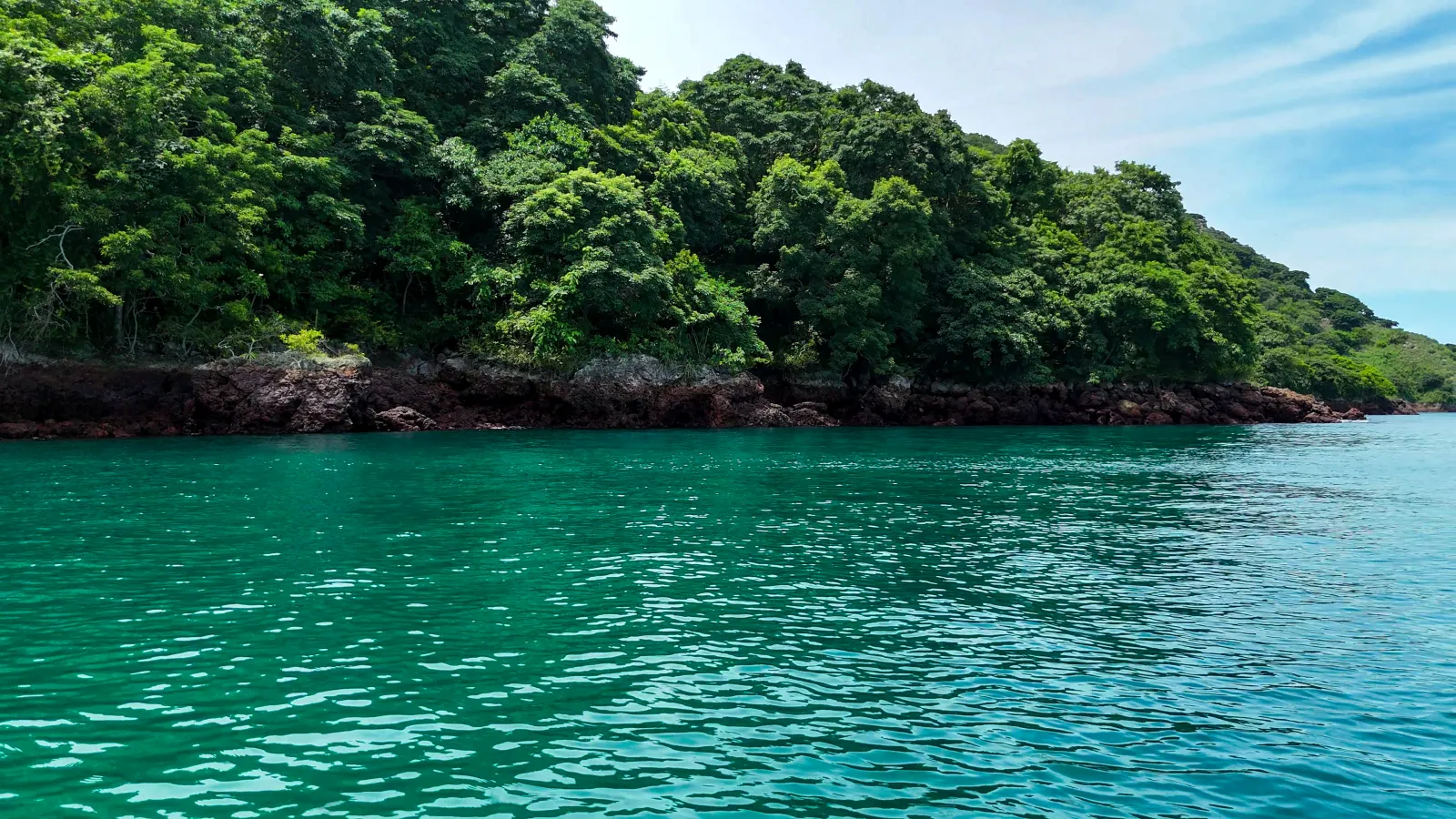
Its coastline combines bays, cliffs, beaches and predominantly rocky shores. A scientific characterization estimated that approximately 75 percent of the coastline consists of rocky littoral, creating contrasts between dark rock faces, coves, vegetation and small stretches of sand.
Many excursions extend the experience by navigating toward Boná and Estivá. These nearby islands are not sectors of Otoque: they belong to the Isla Boná Wildlife Refuge and serve a primarily ecological function. Otoque adds the community dimension to the route and provides the places where certain operators arrange beach stops, meals or guided activities.
Nature
The natural character of Isla Otoque reveals itself in layers. Above the water, green hills, cliffs, bays and rocky shores define the landscape; below the surface, currents, temperature and salinity support a changing and productive marine environment.
Research conducted between 2016 and 2018 recorded 27 plankton genera, five coral species, 40 fish species and 21 invertebrate species in Otoque’s marine area. More than a list, these records describe a food web supported by high marine productivity and historically connected with artisanal, subsistence, commercial and sport fishing.
Navigation through the surrounding area may also reveal rock formations and seabirds, particularly near Boná and Estivá, which contain important nesting sites. Those records belong to the neighboring wildlife refuge and should not automatically be attributed to Otoque.
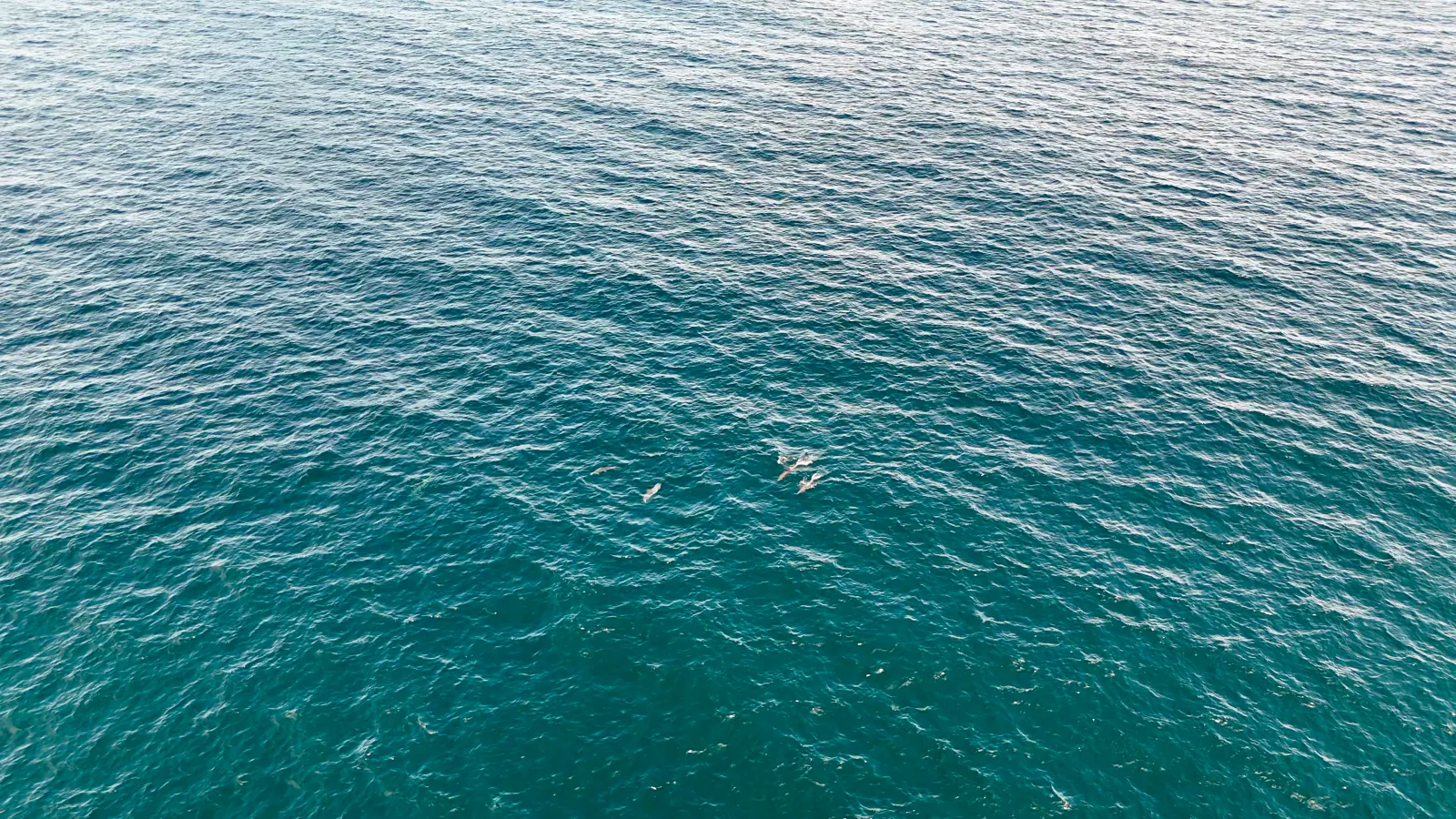
From July through October, the possibility of encountering humpback whales adds a special dimension to the journey. A blow, tail or breach may appear without warning, but sightings are never guaranteed. Dolphins and other marine animals may also cross the route, always depending on the natural conditions of the day.
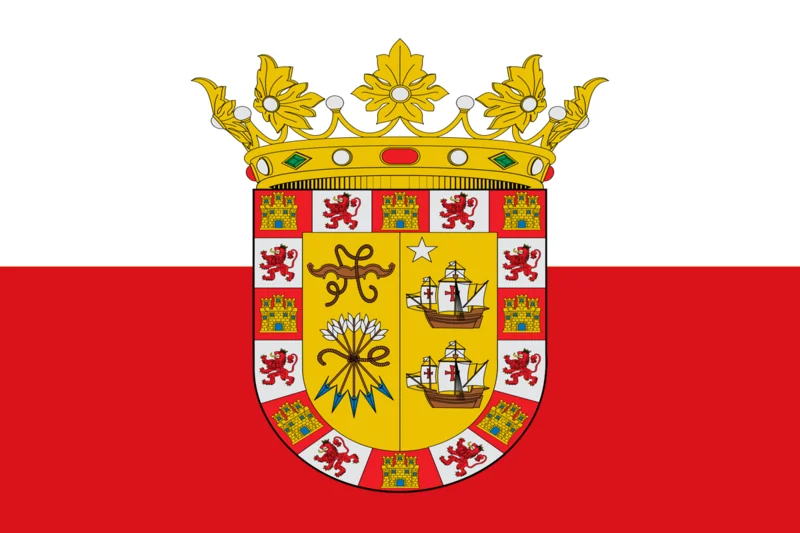 Panamá