 Province
History
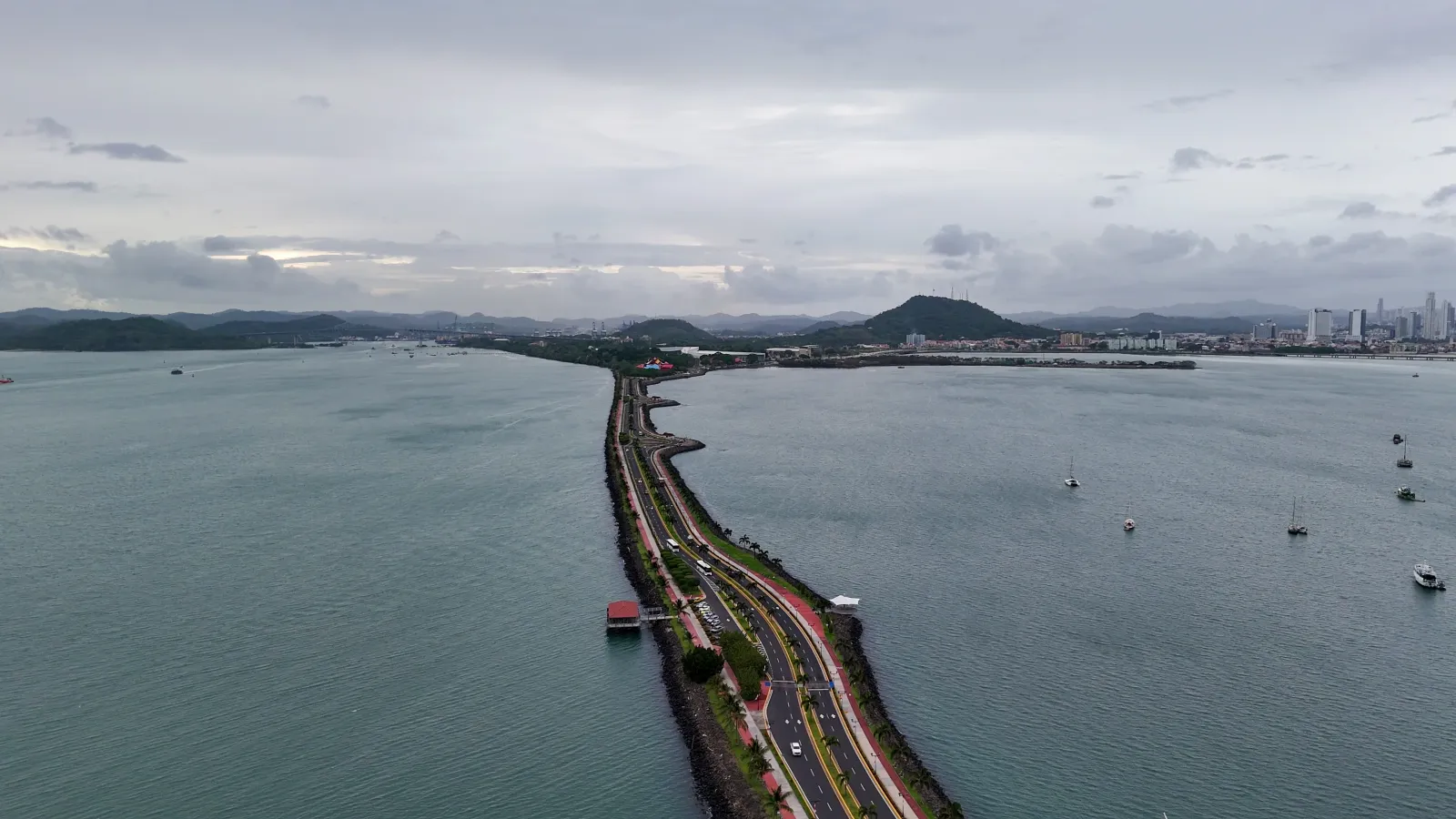
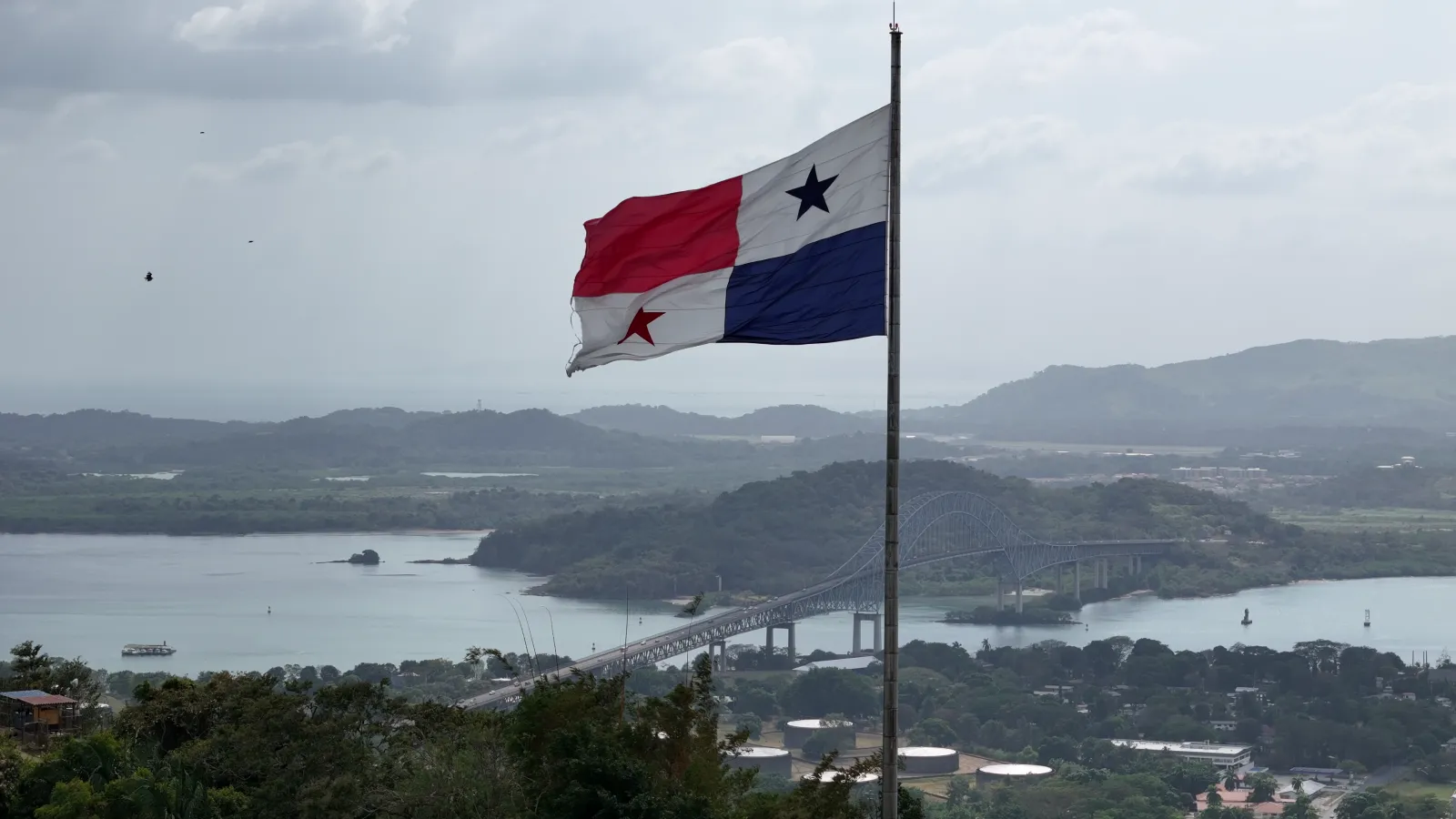
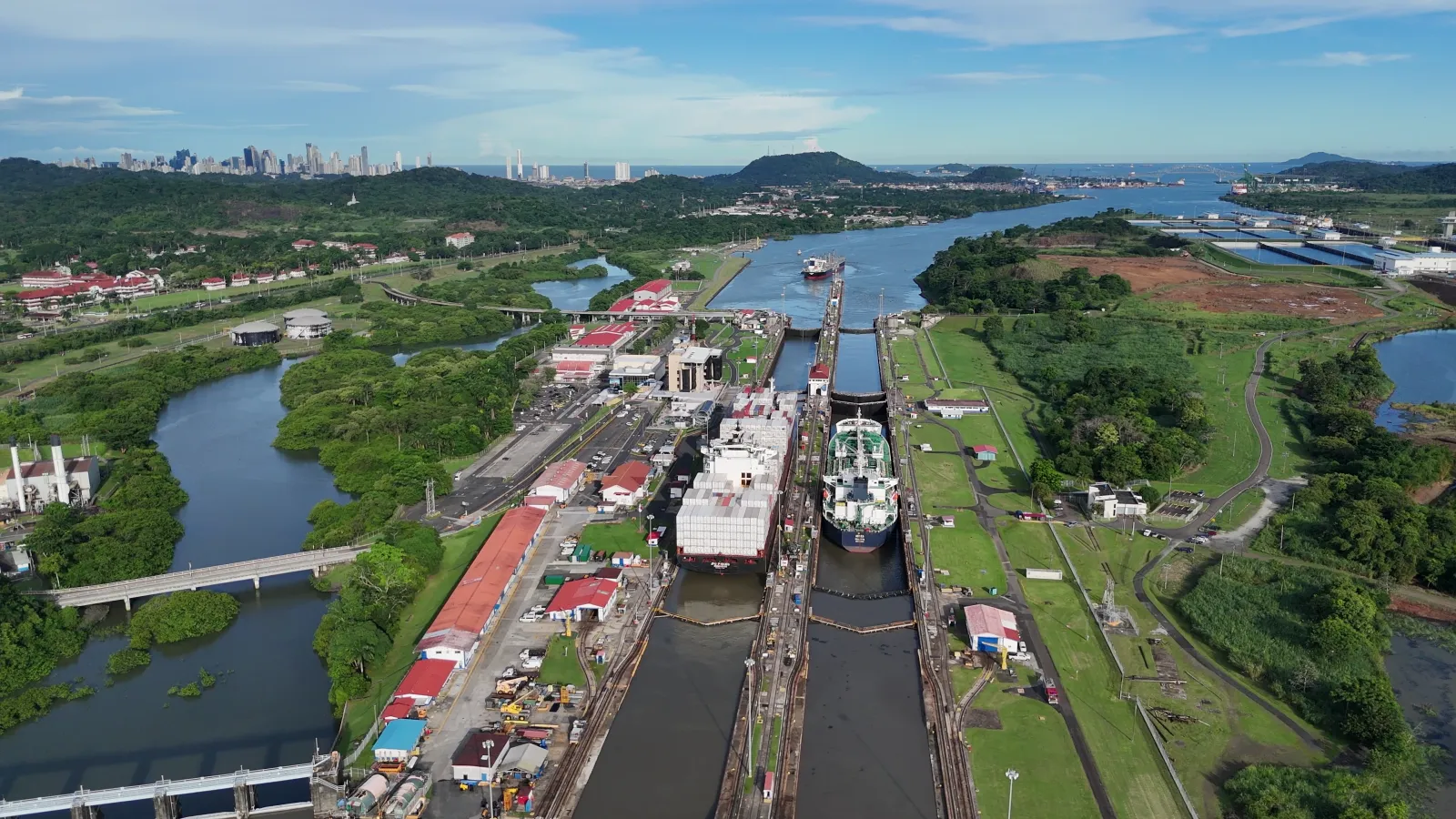
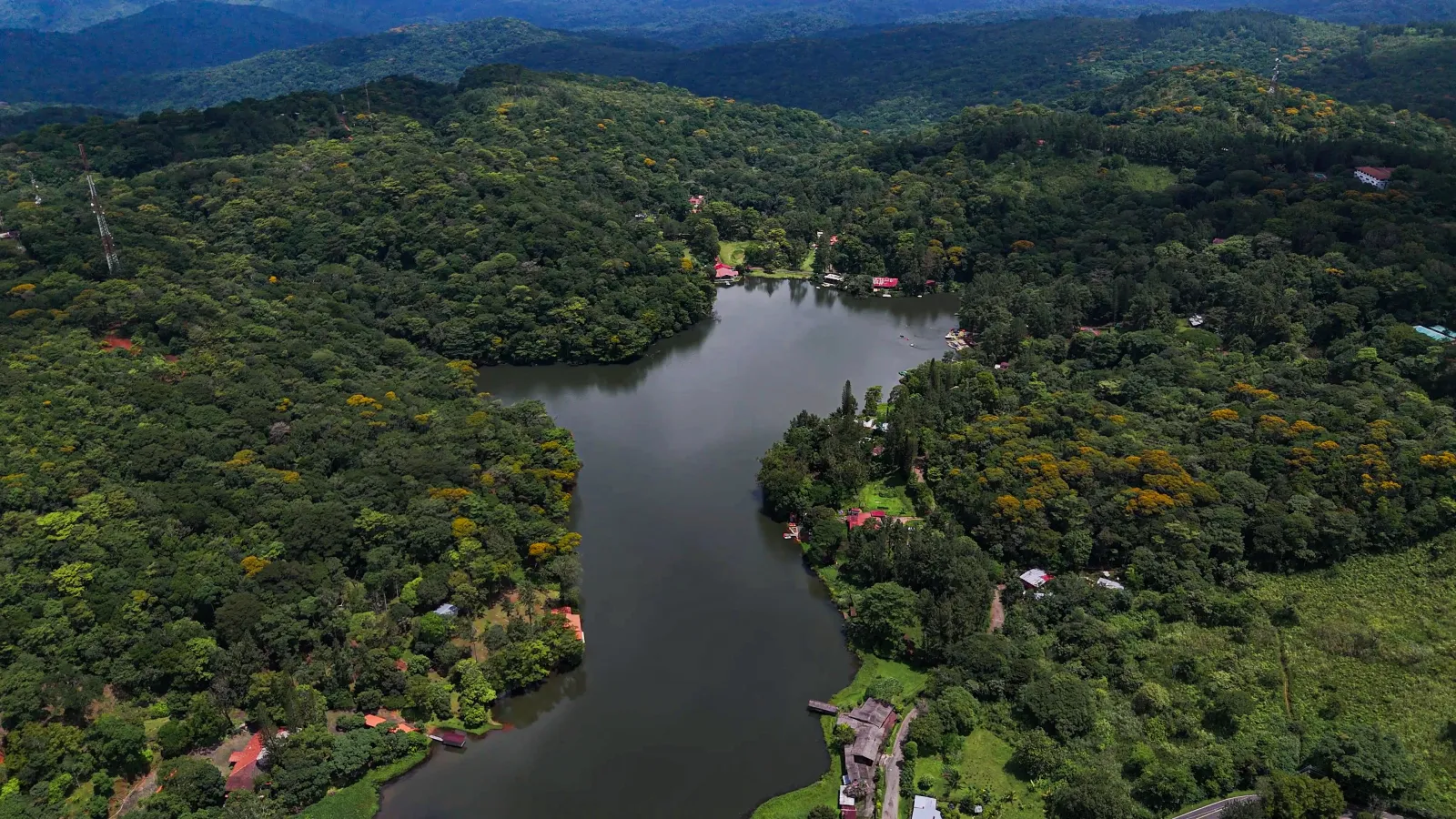
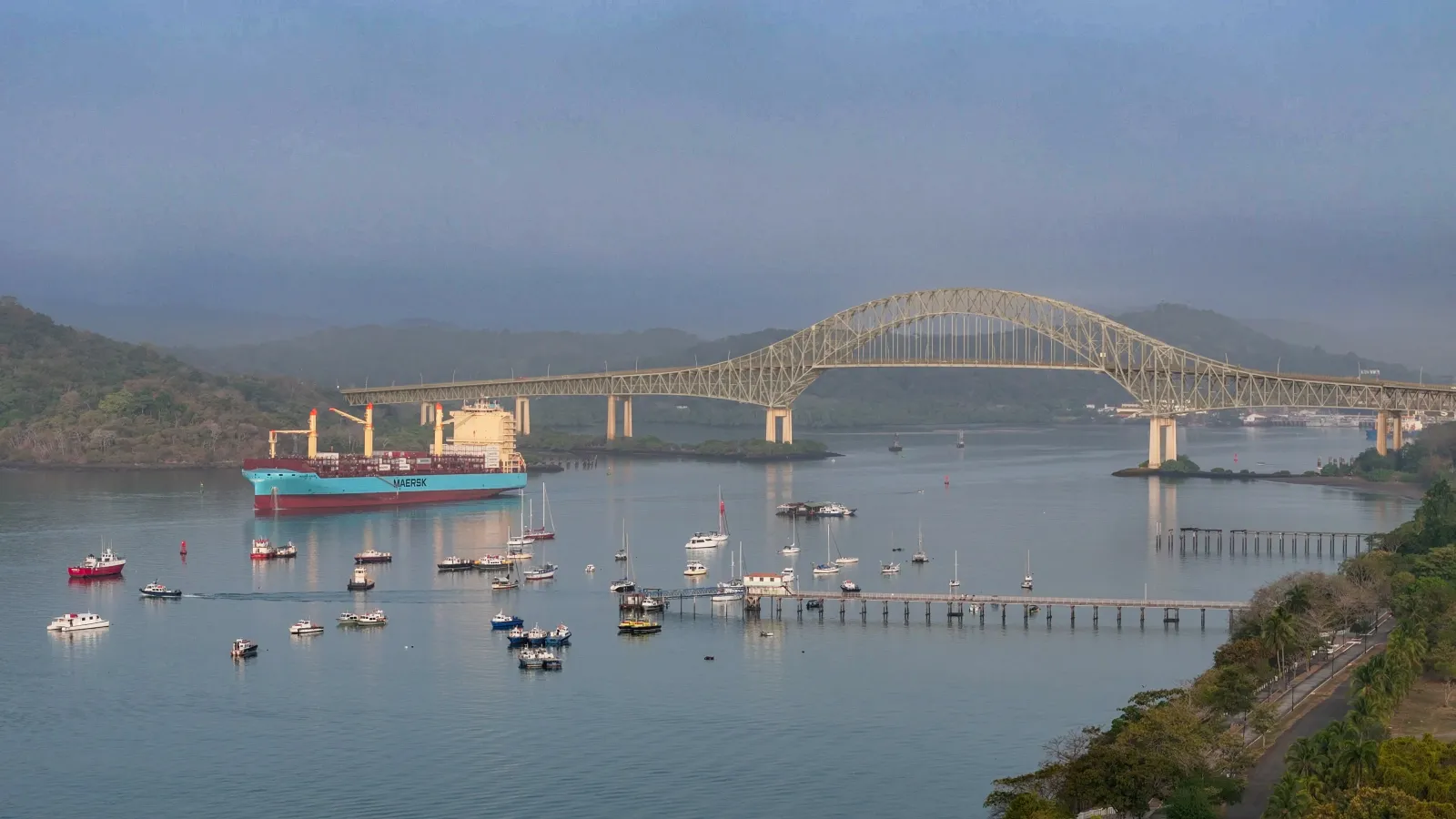
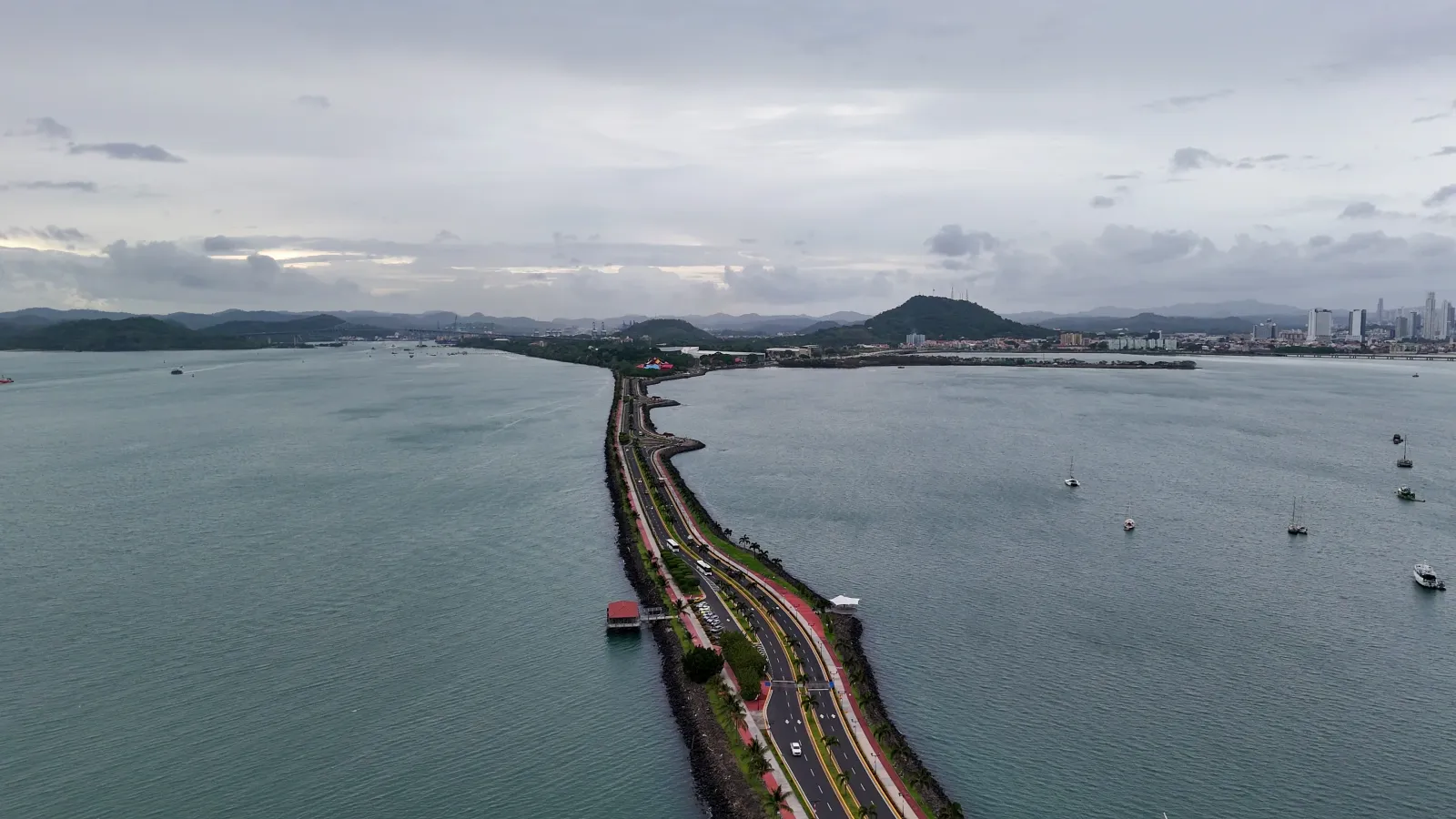
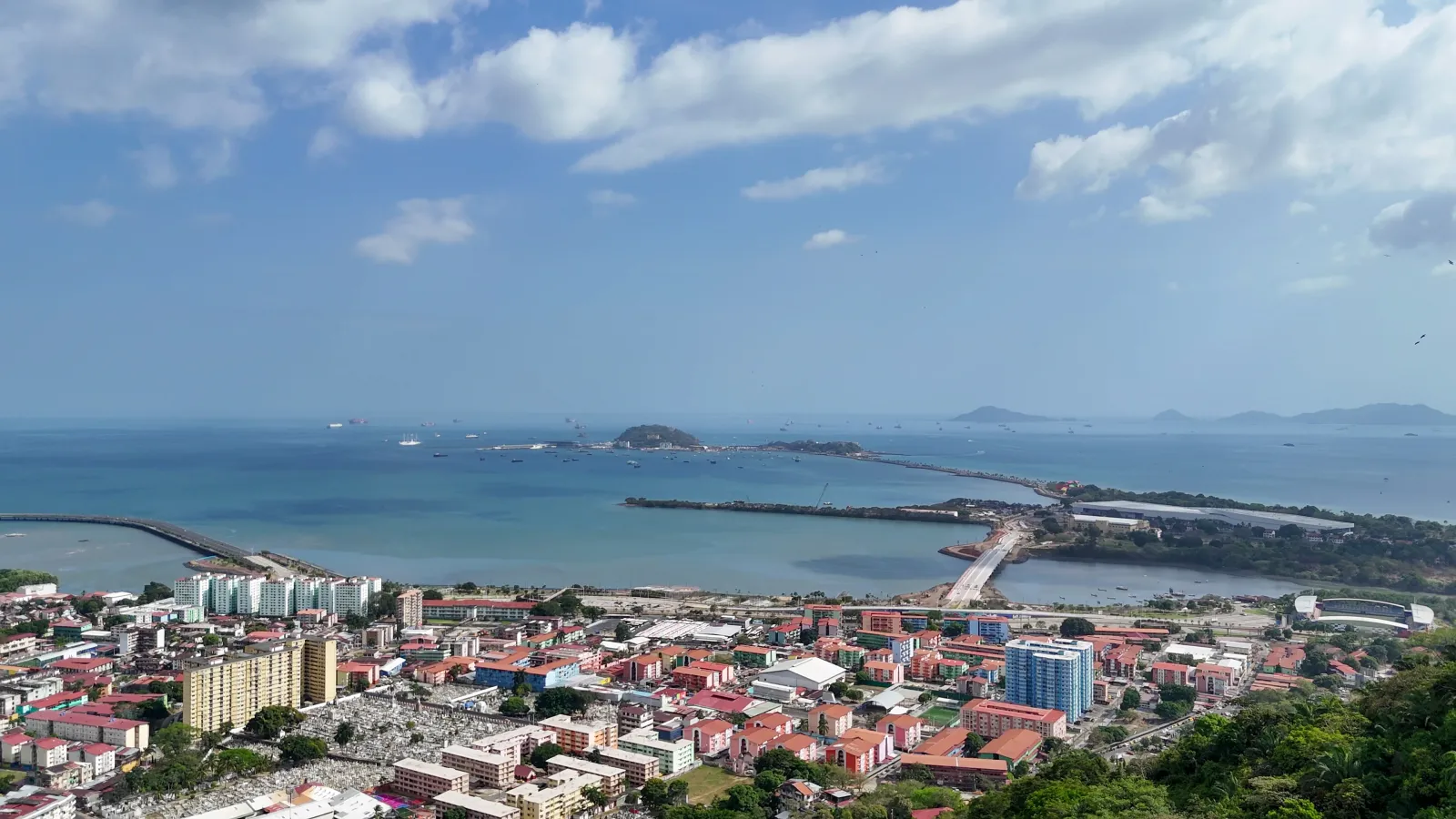
Long before European arrival, Indigenous populations inhabited the coast, valleys and islands of the Gulf of Panama. On August 15, 1519, Pedro Arias Dávila founded Panama City, a key piece of the Spanish colonial system and the starting point of the transisthmian routes of the Camino Real, the Camino de Cruces and the Chagres River, which connected the Pacific with the Caribbean and Europe. In 1671, the original city was attacked and destroyed; in 1673 it was moved to a more defensible peninsula, today's Casco Antiguo. In the nineteenth century, the Panama Railroad, completed in 1855, renewed the territory's transit role, followed by the French canal attempt and the United States construction effort, which drew workers from the Caribbean, Europe and Asia. The Canal opened in 1914 and transformed the country's position in global trade. During the twentieth century, the capital expanded far beyond its historic core, while struggles over sovereignty in the Canal Zone culminated in its transfer to Panamanian administration. The forests of Chagres, Soberanía and Camino de Cruces national parks remained protected because of their connection to the Canal watershed. In 2013, Law No. 119 separated the western districts to create Panamá Oeste, leaving the province formed by Balboa, Chepo, Chimán, Panamá, San Miguelito and Taboga.